Finding engaging, beginner-friendly reading material helps first graders build confidence and vocabulary. Below are five carefully chosen options that align with early reading goals, featuring structured practice, varied themes, and supportive visuals. Each entry includes a quick snapshot of what to expect and how it supports foundational literacy skills.
| Product | Brand | Format | Key Benefit |
|---|---|---|---|
| Scholastic Learn to Read Books Lot 60 – First Grade Set | Scholastic | 60 stapled booklets (Levels A–D) | Structured progression with reading strategies |
| Evan-Moor Daily Reading Comprehension, Grade 1 | Evan-Moor Educational Publishers | Workbooks with reproducible passages | Daily practice for comprehension skills |
| Magic Tree House Boxed Set, Books 1-4 | Penguin | Boxed set of four early readers | Engaging fiction with supports for decoding |
| 100 Words Kids Need to Read by 1st Grade | Scholastic | Workbook with sight words | Essential word recognition and usage |
| Evan-Moor Reading Comprehension Fundamentals, Grade 1 | Evan-Moor Educational Publishers | Foundational reading practice | Core comprehension strategies |
Scholastic Learn to Read Books Lot 60
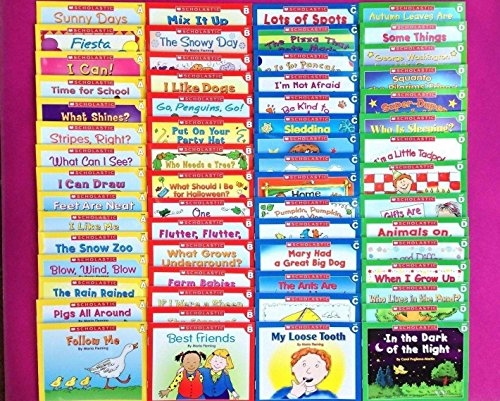
The Scholastic Learn to Read set provides 60 booklets across four levels (A–D), designed by reading specialists to draw attention to print. The 8-page, black-and-white readers guide emerging readers through simple sentences, sight words, and basic phonics. This collection supports a gradual ramp from decoding to fluent reading, making it a strong foundational resource for grade 1 classrooms and homes.
Evan-Moor Daily Reading Comprehension, Grade 1

This Evan-Moor workbook emphasizes daily comprehension practice with reproducible passages. It supports teachers and homeschooling parents by offering ready-to-use activities that reinforce key reading strategies, such as predicting, questioning, and summarizing. The format is practical for short, targeted lessons that align with grade 1 reading goals.
Magic Tree House Boxed Set, Books 1-4

The Magic Tree House boxed set offers four early-reader adventures—Dinosaurs Before Dark, The Knight at Dawn, Mummies in the Morning, and Pirates Past Noon. The stories provide engaging plots paired with accessible language and simple chapters. These titles are known for broad appeal, supportive illustrations, and pacing that helps reluctant or struggling readers stay engaged while building comprehension.
100 Words Kids Need to Read by 1st Grade

This Scholastic workbook targets essential sight words for first graders. It reinforces the 100 words children should know, with fill-in-the-blank stories, sentences, word riddles, games, and puzzles. The mix of activities supports word recognition, fluency, and confidence in reading aloud, complementing other decodable text in early literacy programs.
Evan-Moor Reading Comprehension Fundamentals, Grade 1

This Evan-Moor resource focuses on foundational comprehension strategies appropriate for grade 1. It emphasizes guided practice with short passages, questions that reinforce evidence-based responses, and activities designed to develop critical thinking skills. The materials are suitable for both classroom use and home study, providing a practical supplement to decoding-focused readers.
Buying Guide
Key considerations when choosing grade 1 reading books:
- Reading level progression: Look for sets that advance from simple sound-letter relationships to longer, decodable texts to support gradual skill development.
- Balance of fiction and non-fiction: Include stories to spark imagination and factual texts to build vocabulary and comprehension.
- Reinforcement of sight words: Early readers benefit from targeted word practice; choose resources that emphasize essential vocabulary.
- Visual supports: Illustrations, photo cues, and highlighted print can guide decoding and maintain engagement for emerging readers.
- Usage setting: Consider whether materials are better suited for classroom use, homeschooling, or independent practice, and ensure reproducible formats if necessary.
- Durability and format: Stapled booklets and boxed sets offer portability and longer-term use; workbooks provide structured daily practice.
- Assessment compatibility: Some resources include answer keys or progress tracking, aiding teachers and parents in monitoring growth.
- Content variety: A mix of decodable readers, comprehension exercises, and vocabulary drills helps address multiple literacy components.
When selecting products, balance immediate reading confidence with long-term skill-building. Cross-reference the included features with your child’s current needs—phonics focus, fluency, or comprehension—and consider how the materials complement any existing curricula or homeschooling plans.