Choosing the right books helps 5-year-olds build confidence as they read independently. This list features a mix of classic picture books, early readers, and skill-building work that align with emerging literacy goals. Each title supports phonemic awareness, vocabulary growth, and a love of storytelling, while keeping the reading experience approachable for new readers. The following selections balance illustrated fun with simple sentence structures, repetitive patterns, and engaging characters to maintain interest and motivation.
Summary of chosen products:
- Dr. Seuss’s Beginner Book Boxed Set Collection — Random House Books for Young Readers
- School Zone Thinking Skills Workbook — School Zone
- Childrens Learn to Read Books Lot 60 – First Grade Set — Scholastic
- Llama Llama Time to Share — Viking Drill & Tool
These selections cover a range of reading stages from single-word readers to short, simple sentences and even activity-based practice that reinforces comprehension. They also provide opportunities for shared reading and independent reading, which is crucial for building fluency and confidence at this milestone. Below are detailed highlights for each product, followed by a practical buying guide with key considerations for parents and educators.
Dr. Seuss Beginner Book Boxed Set

The Dr. Seuss Beginner Book Boxed Set features five beloved titles that have been favorites for generations. The collection includes The Cat in the Hat, One Fish Two Fish Red Fish Blue Fish, Green Eggs and Ham, Hop on Pop, and Fox in Socks. These books are well-known for their playful rhymes, rhythmic text, and memorable characters that support early reading skills. They are ideal for reading aloud with a caregiver or for children beginning to read on their own. The repetitive phrasing and simple word patterns help develop word recognition and fluency while sparking imagination.
School Zone Thinking Skills Workbook

This workbook targets essential cognitive skills appropriate for preschool through kindergarten levels. With 64 pages of problems and activities designed to boost problem-solving, logic, and reasoning, it provides a structured way for five-year-olds to practice thinking skills beyond basic reading. The material supports guided practice, early math connections, and pattern recognition, offering a balanced approach to literacy and critical thinking that complements reading practice.
Childrens Learn to Read Books Lot 60 – First Grade Set
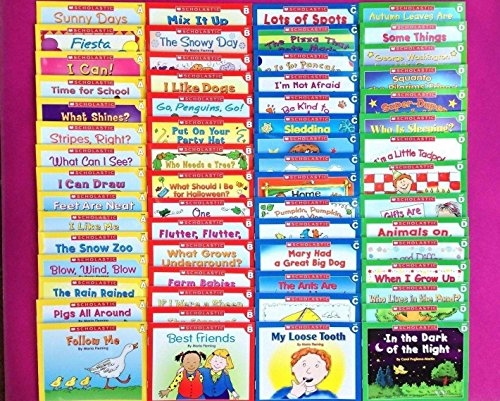
The Scholastic set offers a large collection designed to support early readers transitioning to longer sentences and short stories. With 60 stapled booklets across levels A through D, each 8-page reader emphasizes guided print and fade-resistant illustrations crafted to attract attention to the text. The design aligns with reading strategies used by educators to build decoding skills, phonics awareness, and reading stamina. While the content is appealing to young learners, it remains accessible for at-home practice or classroom use.
Llama Llama Time to Share

Llama Llama Time to Share is a picture book that blends gentle humor with a simple narrative about sharing and social interaction. Suited for five-year-olds gaining confidence in reading, the story uses approachable vocabulary and a short length that supports independent reading. The hardcover format adds durability for frequent handling in classroom libraries or home libraries. The character-driven plot helps readers focus on social-emotional themes while practicing basic sentence structure and word recognition.
Buying Guide
Key purchase considerations help ensure the chosen books align with a child’s reading level and interests, while supporting broader literacy goals. The following perspectives cover practical factors for parents and educators:
- Reading level and independence: Choose titles that match current decoding ability and comfort with longer sentences. Start with picture-led books for shared reading, then introduce early readers designed for independent practice.
- Phonics and vocabulary support: Look for rhyming text, repetitive phrases, and clear word families that reinforce phonemic awareness and word recognition without overwhelming beginners.
- Length and pacing: Short, well-structured stories with a clear beginning, middle, and end help maintain engagement. Gradual increases in text length promote reading stamina.
- Illustrations and layout: Large, engaging illustrations assist comprehension and keep readers motivated. A balanced page layout with generous white space reduces cognitive load.
- Durability and format: For young readers, hardcover or boxed sets offer durability. Durable bindings are beneficial for repeated handling by active readers.
- Supplemental activities: Some books or sets include discussion prompts, reading tips, or associated activities that reinforce comprehension and language development.
- Accessibility and inclusivity: Seek diverse characters and themes that reflect a broad range of experiences to foster empathy and curiosity in early readers.
- Long-term value: Classic titles like Dr. Seuss introduce enduring literacy patterns, while curated workbooks provide structured skill practice that complements reading fluency.
- Pairing strategy: Combine highly illustrated stories with early readers to support a progression—from listening and following along to independent reading with simple sentences.
- Budget and volume: Large bundles offer value but ensure the content matches the child’s current reading trajectory to avoid overwhelming a novice reader.