Midwifery requires a solid grasp of anatomy and physiology, from fetal development to pelvic anatomy and maternal systems. This article highlights high-value study tools and teaching aids available on Amazon that align with midwifery curricula and clinical practice. Each section covers a top pick, its key features, and how it supports learning, clinical preparation, and patient education. A quick buying guide follows to help you compare these resources based on format, realism, and classroom or clinical use.
| Product | Format | Why It Helps Midwives |
|---|---|---|
| TribeRN Anatomy and Physiology Flash Cards | Flash cards | 320 high-yield cards with mnemonics; fast review for exams and on-the-go study |
| GPI Anatomicals — Uterus And Ovary Model | 3D anatomical model | Detailed, pathologies-included model for patient education and clinical reference |
| Evviva Sciences — Heart, Torso, Skeleton Models | 3D physical models + guidebook | Hands-on visualization of organ systems and relationships |
| Life Size Female Pelvis Model — Pelvic Floor | Life-size pelvic model | Realistic pelvic anatomy, essential for understanding labor mechanics and pelvic floor health |
| 3 Pack — Labor & Birthing Position Poster + Pregnancy Anatomy Chart | Posters | Visual aids for labor education and patient preparation |
TribeRN Anatomy and Physiology Flash Cards

The TribeRN flash cards provide 320 high-yield resources that cover all major body systems with clear illustrations and mnemonics. They are designed for speed and retention, making them suitable for nursing students, midwifery students, or professionals preparing for exams such as ATI or NCLEX. The cards are durable, portable, and organized with a hole-punch system that fits rings and binders for on-the-go study. This tool helps learners connect anatomy and physiology concepts to clinical scenarios commonly encountered in midwifery practice, such as fetal positioning, maternal physiology, and reproductive anatomy.
GPI Anatomicals — Uterus And Ovary Model

This scientifically accurate full-size uterus and ovary model includes cross-sectional views and pathologies to illustrate common gynecological conditions. It serves as an effective teaching tool in anatomy labs and clinical settings, providing students and patients with a tangible reference for reproductive anatomy. The model is paired with an information card and display base, aiding demonstrations in classrooms or clinic rooms. Its compact dimensions still offer meaningful detail for midwifery education around uterine structure, ovarian anatomy, and related pathologies.
Evviva Sciences Heart, Torso, And Skeleton Models
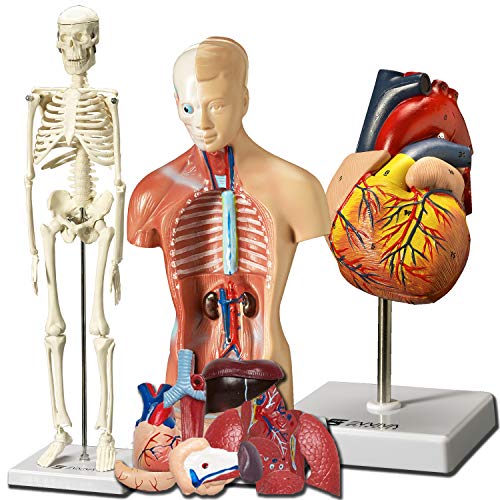
These three hands-on models provide a comprehensive three-dimensional view of essential systems: the heart, torso, and skeleton. The set supports kinesthetic learning and helps students visualize spatial relationships among organs, bones, and vessels. An included 52-page guide authored by medical professionals complements the models with explanations and context. For midwives, using these models during patient education can improve understanding of fetal circulation, chest anatomy, and overall anatomy outside the classroom, reinforcing clinical reasoning and assessment skills.
Life Size Female Pelvis Model With Pelvic Floor Muscles

This large, detailed model highlights pelvic floor muscles, vessels, nerves, and reproductive organs. Its 1:1 scale and realistic detail provide an invaluable resource for teaching labor mechanics, pelvic floor health, and perinatal anatomy. The model is constructed from non-toxic PVC and is easy to clean, making it suitable for regular demonstrations in classrooms or clinical settings. The clear depiction of anatomical relationships supports midwives in counseling patients about pelvic wellness, childbirth positions, and postpartum recovery.
3 Pack — Labor & Birthing Position Poster

These 18″ x 24″ posters provide essential labor and birth education visuals, including pregnancy anatomy and female reproductive anatomy. Laminated for durability, the posters resist tears and are designed for frequent use in teaching spaces or clinics. They serve as quick reference tools during patient education sessions and can be used to illustrate effective birthing positions, fetal engagement, and anatomy-related explanations during prenatal visits.
Buying Guide: Key Considerations For Midwives And Students
Choosing anatomy and physiology tools for midwifery practice involves evaluating realism, versatility, and instructional value. Consider the following perspectives to guide your purchase:
- Realism And Detail: 3D models and life-size pelves offer tactile, realistic references that improve comprehension of pelvic anatomy and labor mechanics. If your primary need is patient education, prioritize models with realistic textures and labeled structures.
- Educational Format: Flash cards support rapid review and exam prep, while posters provide classroom or clinic visuals for ongoing reference. A mix of formats often yields the best learning outcomes.
- Durability And Maintenance: Laminated posters and durable cards withstand frequent handling in teaching labs and patient rooms. Easy-clean, non-toxic materials are preferred in clinical settings.
- Curriculum Alignment: Look for resources aligned with nursing, allied health, and medical curricula, such as ATI or NCLEX references, to ensure relevance to midwifery education and exams.
- Clinical Usefulness: Tools that support patient education—such as uterus-ovary models or labor position posters—enhance counseling during prenatal care and labor support.
- Portability And Storage: Compact flash card sets and lightweight models facilitate study between shifts or during travel to clinical sites.
- Availability Of Guides: Guides, eBooks, and accompanying manuals extend learning beyond visuals, helping learners connect anatomy to physiology and clinical scenarios.
In summary, the combination of high-yield flash cards, realistic pelvic and reproductive models, and clear educational posters provides a well-rounded toolkit for midwives and students pursuing anatomy and physiology mastery. When selecting resources, balance the needs for hands-on understanding, classroom teaching, and patient communication to build a robust foundation for safe and informed care during pregnancy, labor, and postpartum periods.