Encouraging kids to observe weather patterns builds curiosity and scientific thinking. This article highlights engaging weather-focused journals and related kids’ journaling kits that foster daily observation, data recording, and reflective learning. Each item includes hands-on activities, prompts, and age-appropriate exploration ideas to make weather science approachable and enjoyable for young learners.
| Product | Brand | Why It’s Great |
|---|---|---|
| The Kids’ Book of Weather Forecasting (Kids Can!) | WorthyKids | Introduces forecasting basics with kid-friendly activities and simple charts. |
| All-Weather Rebel Outdoor Adventure Kit for Kids | Wild Life Outdoor Adventures | Hands-on weather and climate exploration tools for outdoor learning. |
| Big Life Journal – Daily Journal for Kids | Big Life Journal | Promotes growth mindset while daily journaling and emotional reflection. |
| Kids’ Travel Journal (Vacation Diary, Trip Notebook) | PETER PAUPER PRESS | Encourages weather-linked travel notes and observations on the go. |
| My First HappyMe Journal for Kids | The HappyMe Journal | Positive habit-building and curiosity-boosting journaling for early learners. |
The Kids’ Book of Weather Forecasting

The Kids’ Book of Weather Forecasting offers an accessible path for children to understand daily weather changes. The book guides young readers through simple observation routines, basic meteorology concepts, and forecasting ideas that can be practiced at home or in the classroom. It emphasizes hands-on activities, illustrated explanations, and kid-friendly charts to help kids connect weather clues to forecasts. This resource is suitable for ages elementary through early middle school and pairs well with a journal for recording daily weather data and reflections.
All-Weather Rebel Outdoor Adventure Kit for Kids

This weather and climate science exploration kit engages kids aged 8+ with a field guide, a pocket kite, a cloud journal, a tornado vortex maker, and an all-weather notebook. The kit encourages observational thinking, data collection, and hypothesis testing as children track cloud types, wind patterns, and weather conditions during outdoor activities. It supports hands-on learning and integrates scientific inquiry with outdoor play, making weather study tangible and entertaining.
Big Life Journal – Second Edition

The Big Life Journal uses growth mindset prompts and daily journaling to help children believe in themselves and learn resilience. While not weather-specific, the journal’s reflective prompts support kids in processing daily weather experiences—like big weather days or shifts in plans—by framing them as opportunities to learn and grow. It also encourages sharing ideas with family or a journaling partner, which reinforces communication skills during weather-related events.
Kids’ Travel Journal (Vacation Diary)

This travel-focused journal invites kids to document trips, including weather during travel days and favorite outdoor moments. It provides prompts for recording weather conditions, packing lists, and events on the road. While designed for travel, it can be a practical companion for weather journaling on family trips or weekend outdoor excursions, helping children notice how weather influences daily plans and experiences.
My First HappyMe Journal for Kids
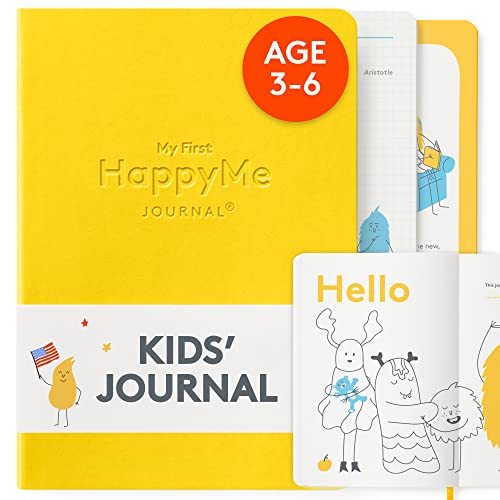
My First HappyMe Journal focuses on happiness, curiosity, and positive habits, making it suitable for younger children exploring weather through daily entries. The journal supports creativity with age-appropriate prompts and a kid-friendly layout. Its soft, lie-flat binding helps children write and draw comfortably as they capture small weather moments, such as the feeling of rain or sun, while nurturing positive emotional development.
Buying Guide: Key Purchase Considerations
When selecting a weather-focused journal or related kids’ journaling kit, consider the following factors to ensure the best fit for your child and learning goals:
- Age and reading level: Choose products with clear explanations and simple prompts suitable for your child’s developmental stage. Younger kids may benefit from journals with large spaces for drawing and basic weather notes, while older kids can handle more structured data and forecasting tasks.
- Hands-on activities: Look for kits that include experiments, field observations, or weather tools (like a cloud journal or a field guide). These enhance engagement and reinforce scientific thinking through practice.
- Prompts and structure: A balance of open-ended prompts and guided activities helps kids think critically without feeling overwhelmed. Structured charts can support data collection, while reflective prompts encourage interpretation and discussion.
- Portability and durability: If the child will use the journal outdoors, a durable notebook with a waterproof cover or weather-resistant materials is beneficial for long-term use and repeated weather observations.
- Partner activities: Some journals benefit from sharing sessions with a parent, teacher, or sibling. This collaboration can deepen understanding and help children articulate weather observations and conclusions.
- Expansion potential: Consider whether the product supports ongoing learning—e.g., additional prompts, seasonal weather tasks, or activity extensions—to keep the child engaged over time.
- Balance of science and creativity: While focusing on weather science, creative components like drawings and storytelling can reinforce retention. Look for a mix that matches the child’s interests.
Compared to general journaling, weather-focused kits emphasize observation, data recording, and hypothesis testing. When evaluating options, prioritize materials that clearly link everyday weather experiences to simple scientific concepts, encouraging curiosity while providing a straightforward path to understanding forecasts and climate basics.