This guide highlights top textbooks and workbooks that support elementary students across core subjects. Each pick offers structured practice, vocabulary building, and engaging activities suitable for classroom or homeschooling use. Below, you’ll find key features and how each title can help reinforce foundational skills in math, science, language arts, and more.
| Product | Brand | Category |
|---|---|---|
| Everything You Need to Ace Math in One Big Fat Notebook | Workman | Math Study Guide |
| The 100 Series: Biology Workbook | Carson Dellosa Education | Science Workbook |
| Sideways Stories from Wayside School | HarperCollins | Fiction Read-Aloud / Language Arts |
| General Science WorkBook: Solar System, Weather, Energy | Mark Twain Media | Science Workbook |
| French Workbook: Parts of Speech & Phrases | Carson Dellosa Education | Language & Social Studies |
Everything You Need to Ace Math in One Big Fat Notebook

The Everything You Need to Ace Math in One Big Fat Notebook is part of the Big Fat Notebook series designed to present essential math concepts in a clear, student-friendly way. While marketed toward middle school students, the approachable layout and concise explanations can benefit advanced elementary learners and those who need a strong foundational refresher. The book emphasizes core arithmetic, geometry basics, fractions, decimals, and problem-solving strategies. This edition is a solid reference for independent study, tutoring sessions, or small-group learning. The concise chapters pair quick explanations with practical practice problems, aiding memorization and application.
The 100 Series: Biology Workbook
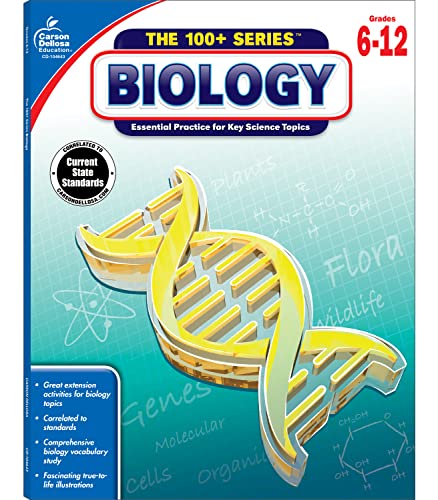
This biology workbook from Carson Dellosa Education provides extended activities aligned with science standards. It covers fundamental topics such as matter, atoms, cells, genetics, elements, and bonds, making it a practical supplement for elementary science curricula or early middle school units. The workbook offers structured practice, vocabulary support, and review exercises designed to reinforce critical thinking and scientific literacy. It’s a useful resource for classroom centers, homeschool lesson plans, or enrichment projects, helping students build a solid science vocabulary while applying concepts to real-world examples.
Sideways Stories from Wayside School

Sideways Stories from Wayside School, a humorous collection by Louis Sachar, offers engaging fiction that supports reading enjoyment and comprehension for developing readers. While primarily a chapter book series, it serves as a gateway to discussion about plot, character development, and literary devices. Teachers and parents can use short chapters for guided reading, vocabulary exploration, and writing prompts inspired by the quirky, imaginative stories. The accessible language and witty humor help sustain interest in reading while reinforcing language arts skills in a classroom or home setting.
Mark Twain Grades 5-8 General Science Workbook

This general science workbook from Mark Twain Media covers solar system, weather, energy, natural disasters, and biology within a single volume. It’s designed to support NSE standards and provides extra practice aligned with science disciplines across grades 5-8. The workbook structure helps learners organize notes and reinforce content through review exercises and activities. It’s suitable for classroom use, tutoring sessions, or homeschool curricula that require a comprehensive, cross-topic science resource.
French Workbook: Parts of Speech & Phrases

This French workbook from Carson Dellosa Education focuses on foundational language skills such as parts of speech, vocabulary, common phrases, and sentence-building basics. It includes reproducible activities designed to help middle and high school students start speaking and writing in French, making it a practical resource for introducing a new language at an elementary level or extending language studies for curious learners. The structured activities support gradual progression from basic phrases to more complex sentence construction.
Buying Guide
When selecting textbooks for elementary students, consider the following factors to ensure depth, accessibility, and long-term usefulness.
- Grade alignment: Look for materials that match current grade standards or can bridge toward early middle school topics without overwhelming learners.
- Learning style compatibility: Choose resources that combine explanations with visuals, practice problems, and hands-on activities to support varied learners.
- Skill balance: Ensure a mix of foundational skills (math basics, science fundamentals, language arts) and opportunities for critical thinking and application.
- Assessment opportunities: Prefer titles that include review questions, vocabulary support, and practice tests to track progress over time.
- Versatility: Resources for both independent study and guided instruction work well in homeschooling or classroom settings.
- Teacher and parent resources: Check for answer guides, teaching tips, and reproducible worksheets that aid planning and differentiation.
- Durability and format: For younger students, consider durable print editions with wide margins, clear fonts, and age-appropriate illustrations to sustain engagement.
- Licensing and accessibility: If used in classrooms, ensure materials align with state standards and offer accessible formats or digital complements where possible.
Multiple perspectives to consider
Textbooks vary in approach. Some emphasize memorization and procedural fluency, while others prioritize conceptual understanding and real-world application. For elementary learners, a balanced mix often yields the best outcomes: concise explanations, plenty of practice, and opportunities for creative problem-solving. The selected titles here provide a spectrum—from comprehensive math and science workbooks to engaging fiction and beginner-language resources—allowing educators and parents to tailor a cohesive curriculum that suits individual learners’ needs. Evaluating a title’s fit against your child’s current goals helps optimize learning without overloading any single subject area.
In practice, combining a math-focused notebook with core science activities and a reading or literature companion can reinforce cross-curricular skills, such as vocabulary development tied to scientific terms or reading comprehension applied to science passages. The bundled approach helps maintain motivation and momentum throughout the school year, making these textbooks valuable additions to any elementary education toolkit.