Finding the right sign language books for babies can help families foster early communication, reduce frustration, and build language skills through visuals and tactile pages. This article highlights five beginner-friendly options that cover common signs, farm and everyday vocabulary, and durable formats ideal for little hands. Each pick includes concise features to help caregivers decide which title best fits their little one’s pace and interests.
Overview of featured books:
| Product | Brand | Key Focus |
|---|---|---|
| Baby Signs: A Baby-Sized Introduction to Speaking with Sign Language | DIAL | Essential signs for early communication |
| Little Farm Signs – My First ASL Book for Babies & Toddlers | Little Signs Collection | ASL farm signs, durable board pages |
| Hubble Bubble Kids American Sign Language Cards | Hubble Bubble Kids | 180 ASL flash cards for beginners |
| My First Signs: American Sign Language (Baby Signing) | CHILD’S PLAY (INTERNATIONAL) LTD | Introductory signs for babies |
Baby Signs: A Baby-Sized Introduction to Speaking with Sign Language

This board book introduces a concise set of signs designed for babies and toddlers. The format emphasizes how simple signs can help communicate needs, wants, and feelings in everyday moments. Its 13 illustrated signs are sized for tiny hands, making practice easy during story times or daily routines. The durable pages support rough handling typical of early readers, and the visuals pair clear sign illustrations with approachable text, making it a practical starter kit for families beginning ASL together.
Little Farm Signs – My First ASL Book for Babies & Toddlers
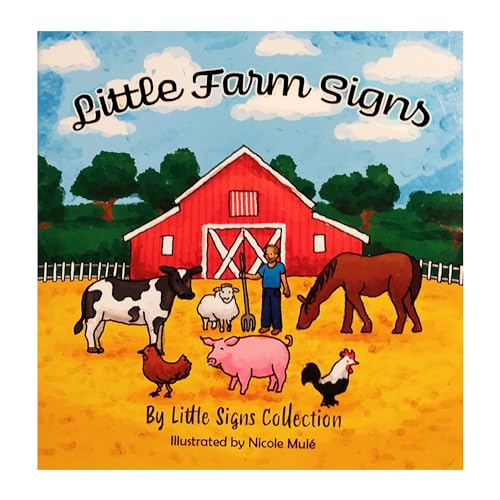
Designed for infants and toddlers, this board book presents a versatile ASL farm vocabulary set. It covers essential farm elements like farmer, farm, cow, pig, sheep, chicken, and horse, combined with durable pages for repeated handling. The illustrations pair with American Sign Language visuals to support associative learning, helping caregivers model signs in context. The sturdy format makes it suitable for shared reading sessions and hands-on sign practice during playtime.
Hubble Bubble Kids American Sign Language Cards for Toddlers and Beginners

This set offers a comprehensive approach with 180 ASL flash cards that cover common early vocabulary and foundational signs. Each card presents a clear written description on one side and an illustrated sign on the other, aiding visual learning and memory retention. The cards are sized for small hands and laminated for durability, making them suitable for independent practice, classroom use, and travel activities that encourage steady progress in sign language skills.
My First Signs: American Sign Language (Baby Signing)

This resource provides an introductory approach to ASL with baby-focused signs. As a listing of the book’s status indicates, it may function as a good starting reference for families seeking accessible, visual cues to reinforce early signing. While listed as a used book in good condition, it remains a viable option for budget-conscious readers who want a straightforward primer to common early signs and routines.
Buying Guide: Key Considerations for Choosing Baby Sign Language Books
When selecting sign language books for infants and toddlers, consider the balance between durability, clarity, and age-appropriateness. Board books with thick pages withstand drool and rough handling, while laminated flash cards provide long-lasting use for frequent practice. Look for titles that introduce signs tied to daily routines—mealtime, play, sleep, and greetings—to maximize real-life usefulness. Visuals should clearly depict signs alongside words to support association. Options that include interactive elements, such as cards or flip pages, can encourage hands-on learning and caregiver engagement.
Durability and format affect long-term value. Board books are ideal for babies who explore pages with fingers and mouths, whereas cards and flat-paged formats suit older toddlers ready for faster sign repetition. Consider the breadth of signs offered: a compact starter set is great for a gentle introduction, while larger card collections cover broader vocabularies for ongoing growth. Accessibility matters too—look for adjustable features like large, high-contrast illustrations and straightforward sign diagrams that are easy for caregivers to model and imitate.
Practical usage tips include: incorporate signs into daily routines, narrate activities with signs and spoken words, and establish a consistent practice window (short sessions, daily). If possible, choose a resource that matches your family’s routines—farm-themed signs for rural households or universal daily-life signs for urban settings. Finally, verify whether the book(s) provide clear indicators for progress and tips for parents to support practice without pressure, ensuring a positive, ongoing signing experience.