Finding the right sheet music for saxophonists can boost practice, lessons, and performances. This guide highlights five highly regarded saxophone books that cover a range of styles—from pop hits to classic jazz and iconic melodies. Each entry includes a brief overview of content, instrumentation, and suitability, helping players choose material that matches their skill level and goals.
| Product | Instrumentation | Pages | Brand |
|---|---|---|---|
| 101 Popular Songs for Alto Sax | Alto Sax | 128 | Hal Leonard |
| 101 Hit Songs for Alto Sax | Alto Sax | 160 | Hal Leonard |
| Best of the Beatles | Tenor Sax | 96 | Hal Leonard |
| Best of Kenny G | Saxophone (Soprano/Alto/Tenor) | 96 | Hal Leonard |
| Popular Sax Solos | Saxophone | 56 | Cherry Lane Music |
The selections below are chosen for broad appeal, varied difficulty, and strong popularity among American sax players. Each entry includes a direct link to its Amazon page and a quick overview of what makes it a strong choice for most players.
101 Popular Songs for Alto Sax
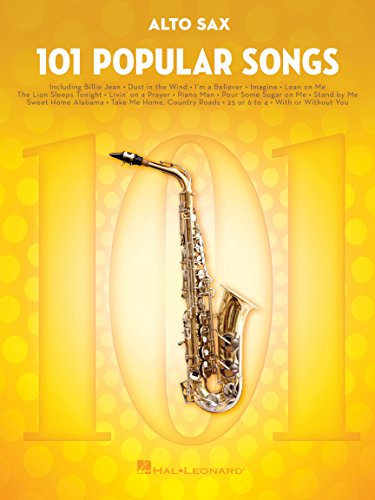
Hal Leonard’s 101 Popular Songs for Alto Sax offers a curated collection of easy to intermediate pop hits. The book is designed for solo performance, making it a practical resource for practicing phrasing, tone, and reading across a familiar repertoire. Instrumentation is clearly listed as Alto Sax, with 128 pages that cover a broad set of contemporary tunes for practice, lessons, and performance projects.
101 Hit Songs for Alto Sax

Another Hal Leonard staple, 101 Hit Songs for Alto Sax targets intermediate and advanced players seeking a diverse, recognizable catalog. The book’s 160 pages provide substantial material suitable for recital pieces, practice routines, and classroom ensembles, all tailored for Alto Sax instrumentation. This title emphasizes well-known pop and rock selections, which can help sustain motivation during longer practice sessions.
Best of the Beatles

This Tenor Saxophone collection features over 80 arranged tunes from The Beatles, offering fans a familiar and approachable set of melodies. It serves as a strong choice for players focusing on pop-rock heritage, with arrangements designed for solo instrumental performance. The book’s 96 pages provide a compact option for gigs or lesson materials, emphasizing melodic line work suitable for tenor players.
Best of Kenny G

Best of Kenny G compiles artist transcriptions for soprano, alto, and tenor saxophones, presenting melodic lines and solos in a polished smooth-jazz style. With 96 pages, this book supports players seeking expressive phrasing and modern tonal techniques while working through recognizable Kenny G melodies. Arrangements are suitable for intermediate players looking to expand their solo vocabulary.
Popular Sax Solos

Popular Sax Solos is a compact collection featuring 40 iconic solos spanning rock, pop, and jazz. At 56 pages, it’s a portable resource ideal for quick practice sessions, warmups, or adding well-known pieces to a recital program. It’s suitable for a broad range of saxophonists, especially those seeking recognizable crowd-pleasers.
101 Jazz Songs for Tenor Sax
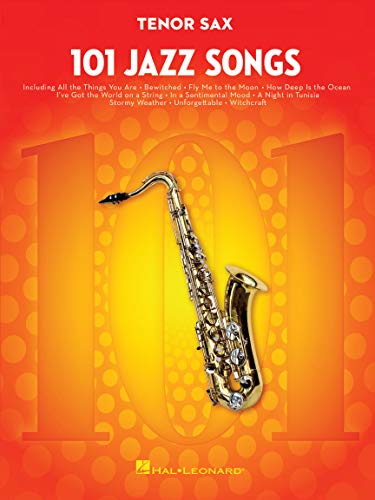
Although not among the top five selected for this guide, 101 Jazz Songs for Tenor Sax offers a complementary option for players focusing on classic jazz standards, including tunes like Autumn Leaves, Misty, and Satin Doll. This title caters to tenor saxophonists and can serve as a valuable reference for traditional jazz phrasing and improvisation practice.
Buying Guide
- Instrumentation alignment: Confirm the saxophone type (alto, tenor, soprano) to ensure the book matches your instrument and range.
- Skill level: Review the difficulty level described in each book; beginner-friendly volumes often feature simpler melodies, while others offer more complex solo lines for intermediate players.
- Repertoire diversity: Choose collections that mix pop, jazz, and classical elements to broaden technique and musical vocabulary.
- Arrangement style: Consider whether you prefer solo performance pieces, ensemble-friendly arrangements, or artist transcriptions for authentic phrasing.
- Page count and portability: For practice on the go, lighter, shorter volumes can be beneficial; longer books are better for extended practice sessions.
- Quality of notation: Look for clearly engraved notation and legible fretings/keys to reduce practice friction and misreads.
- Progression and grouping: Books that tier pieces by difficulty or provide progression help structure practice, especially for lessons.
- Public domain vs. modern catalog: Modern pop and artist transcriptions may offer more recognizable tunes, while classic collections can teach standard jazz vocabulary.
- Supplemental materials: Some titles include audio accompaniments or online resources, which can improve timing and intonation practice.
When selecting sheet music, consider your current goals: building technique, expanding repertoire, or preparing for performances. A mixed approach—combining pop hits with jazz standards and artist transcriptions—tends to support well-rounded development for most saxophonists.