Finding the right sheet music for alto sax can boost practice sessions, lessons, and performances. The selections below prioritize accessible arrangements, popular genres, and reliable teaching resources to support players from beginners to intermediate and beyond. Each featured book offers a curated collection ideal for building repertoire and technique.
| Product | Pages | Instrumentation | Brand |
|---|---|---|---|
| 101 Popular Songs for Alto Sax | 128 | Alto Sax | Hal Leonard |
| 101 Hit Songs for Alto Sax | 160 | Alto Sax | Hal Leonard |
| The Big Book of Christmas Songs – Alto Sax | 144 | Alto Saxophone | Hal Leonard |
| 101 Jazz Songs Alto Sax | 106 | Alto Sax | Hal Leonard |
| Best of Kenny G – Saxophone | 96 | Saxophone (Soprano, Alto, Tenor) | Hal Leonard |
101 Popular Songs for Alto Sax
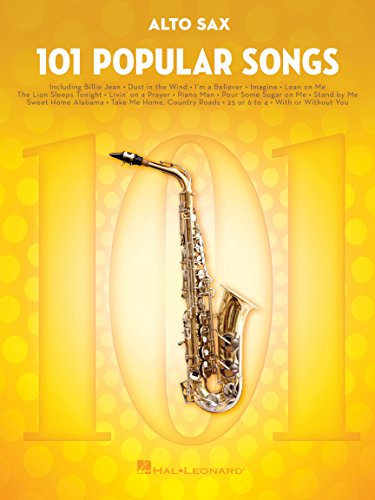
This Hal Leonard collection provides 128 pages of easy to intermediate pop hits arranged specifically for alto sax. It emphasizes familiar melodies and practical instrumentation to aid solo performance, practice, and teaching sessions. The selections are designed to help players develop phrasing, breath control, and tone through approachable arrangements.
101 Hit Songs for Alto Sax

Another Hal Leonard volume, this 160-page collection targets intermediate and advanced players with a broader set of pop and rock hits. The book supports building a versatile repertoire, with arrangements that balance fidelity to original melodies and practical saxophone technique for performance-ready pieces.
The Big Book of Christmas Songs – Alto Sax
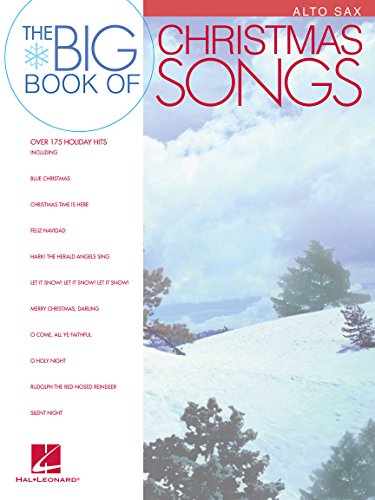
Designed for solo performance, this Hal Leonard Christmas collection offers 175+ traditional and popular holiday favorites for alto sax. It covers a wide range of tempos and moods, making it a practical seasonal addition for recitals, holiday events, and classroom use, with straightforward arrangements suitable for intermediate players.
101 Jazz Songs Alto Sax

This Hal Leonard collection focuses on jazz standards and popular jazz repertoire suitable for alto sax. Featuring concise, playable arrangements, it serves as a robust source for developing jazz phrasing, swing rhythm, and improvisational confidence within an approachable format.
Best of Kenny G – Saxophone

featuring artist transcriptions across soprano, alto, and tenor saxophone, this Hal Leonard collection provides complete melodies and solos by Kenny G. It is useful for players seeking smooth jazz phrasing and expressive, melodic lines that translate well to performance settings, with a focus on tonal shaping and breath control.
Buying Guide
Choosing the right sheet music for alto sax involves considering level, repertoire goals, and performance contexts. Key purchase considerations include:
- Reading level and difficulty: Match books to your current skill and target growth areas, such as tone, articulation, or improvisation.
- Repertoire mix: Balance memorized songs, classical-inspired pieces, jazz standards, and seasonal selections to build a versatile program.
- Arrangement quality: Look for clear, practical layouts with helpful fingerings, tempo markings, and cue notes for easy sight-reading.
- Instructional value: Some collections offer lesson-friendly exercises, play-along tracks, or teacher guides that aid structured practice.
- Publication reliability: Reputable publishers like Hal Leonard provide durable bindings and consistent engraving, which supports long-term use.
Considerations by player type
- Beginners and early-intermediate players: Choose books with simple keys, short phrases, and solid demonstrations of basic techniques.
- Intermediate players: Seek titles with diverse genres (pop, jazz, holiday) and pieces that challenge phrasing, vibrato, and intonation.
- Advanced players and performers: Look for selections with richer harmonic language, extended ranges, and more sophisticated rhythmic feel.
Repertoire coverage and learning workflow
- Structured practice: Pick a core set of pieces from one or two books, then rotate to other titles to prevent fatigue.
- Technique integration: Align pieces with specific practice goals (tone quality, articulation clarity, breath control).
- Performance preparation: Build recital-ready programs by selecting musically cohesive pieces across genres.