Finding a solid science curriculum for home education can be challenging. The following selections span biology, earth science, and general science concepts, offering structured activities and standards alignment to support diverse learning styles. Each entry includes key features to help you compare materials quickly and plan a cohesive at-home science program for elementary through middle school learners.
Summary table of selected products
| Product | Brand | Grade Level / Scope | Key Features |
|---|---|---|---|
| Spectrum 8th Grade Science Workbooks | Spectrum | Grade 8; Natural, Earth, Life Science | State standards, science literacy, research activities |
| Carson Dellosa The 100 Series: Biology Workbook | Carson Dellosa Education | Grades 6-12; Biology topics | Biology vocabulary, standards-aligned, extension activities |
| Mark Twain General Science Workbook (Volume 3) | Mark Twain Media | Grades 5-8; Solar system, weather, energy, biology | NSE standards, cross-disciplinary practice |
| Mark Twain Forensic Investigations Workbook | Mark Twain Media | Middle school; Forensic science | Deductive reasoning, hands-on labs, interpretation of evidence |
| Spectrum Grade 4 Science Workbook | Spectrum | Grade 4; Natural, Earth, Life sciences | Scientific method, research activities, literacy focus |
Spectrum 8th Grade Science Workbooks

These workbooks cover natural, earth, and life science topics aligned with current state standards. They include a variety of activities that help students build science literacy, complete research tasks, and reinforce core concepts across the middle school science spectrum. The 176-page format provides ample space for practice, notes, and exploration, making it suitable for classroom use or homeschool settings that follow a structured pacing guide.
Carson Dellosa The 100 Series: Biology Workbook
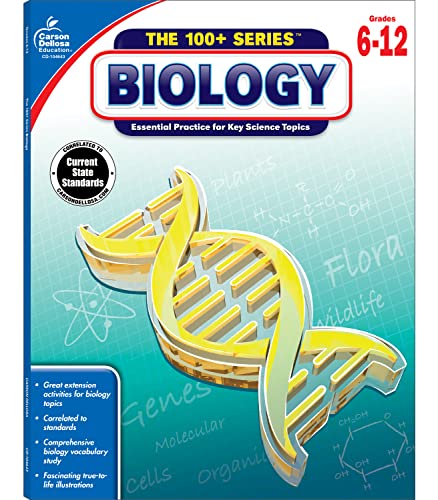
Designed for grades 6–12, this biology workbook offers comprehensive vocabulary support and extension activities that align with standard benchmarks. It serves as a practical supplement for students tackling topics such as matter, atoms, cells, genetics, elements, and bonds. The structured activities help reinforce key vocabulary while providing a clear pathway from foundational concepts to more complex applications, making it a strong option for homeschool biology curricula.
Mark Twain General Science Workbook (Volume 3)

This workbook encourages exploration across physical, earth, space, and life sciences, with activities designed for grades 5–8. It supports NSE standards and provides extra practice that complements broader science curriculums. Students engage with diverse topics such as the solar system, weather, energy, and biology, helping to scaffold transitions between elementary and secondary science learning.
Mark Twain Forensic Investigations Workbook

This workbook emphasizes critical thinking through forensic investigations, including DNA analysis, handwriting analysis, fingerprinting, and crime-scene interpretation. It is designed to stimulate deductive reasoning and collaborative problem-solving, making it a strong supplement for middle school science programs that aim to blend inquiry-based learning with real-world applications.
Evan-Moor Daily Science, Grade 2

Daily science activities for grade 2 offer concise lessons and vocabulary practice, with hands-on activities designed to reinforce standards-based science topics. This resource supports early elementary science curricula and can be used as a daily warm-up or enrichment component in a mixed-age homeschooling plan.
Evan-Moor Daily Science Book, Grade 1

Grade 1 daily science lessons provide standards-based topics, vocabulary practice, and a mix of hands-on activities. With 30 weeks of instruction, it supports early science foundations and gradually builds inquiry skills essential for continued homeschool science study at younger ages.
Spectrum Grade 4 Science Workbook
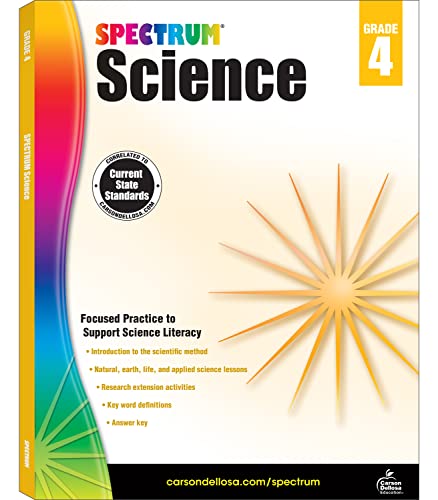
This Spectrum workbook targets grade 4 science with a clear focus on the scientific method and research activities. It integrates natural, earth, and life sciences in a way that supports foundational science literacy, making it a practical fit for homeschoolers seeking a structured, standards-aligned resource for elementary learners.
Buying Guide: Key Purchase Considerations
Strategic alignment with your homeschool goals is essential. Consider the following factors when selecting a science curriculum:
- Grade range and progression: Choose materials that align with your student’s current level and provide a clear path toward more advanced topics.
- Standards alignment: Look for resources that reference or map to state or national standards to ensure consistency with other coursework.
- Hands-on potential: Favor curricula with labs, activities, or prompts that support inquiry-based learning and science process skills.
- Vocabulary support: Comprehensive glossaries and context-rich explanations help learners build science literacy.
- Flexibility for homeschool: Materials should accommodate self-paced learning, parent guidance needs, and potential multi-grade use.
- Differentiation options: Resources that include extension activities or leveled tasks help accommodate diverse learning styles.
- Supplementary vs. core material: Determine whether you need a full curriculum or a supplementary workbook to fill gaps.
When evaluating these products, consider how each complements your existing science plan, other subjects, and your preferred teaching approach—whether structured daily lessons, project-based learning, or a blend of both. A balanced mix of general science workbooks, hands-on forensic activities, and biology-focused resources can support a well-rounded homeschooling science program across the elementary to middle school range.