Discover top-rated science books that align with middle school learning goals. This guide highlights hands-on activities, critical thinking exercises, and standards-aligned content designed to inspire curiosity in biology, earth science, and general science topics. Each selection below offers practical activities, imaginative explorations, and classroom or homeschool applicability to help students build a solid science foundation.
Summary of chosen products
| Product | Brand | Focus | Format | Notes |
|---|---|---|---|---|
| Biology Workbook | Carson Dellosa Education | Biology, Matter, Atoms, Cells, Genetics | Workbook | Standards-aligned, vocabulary emphasis |
| Forensic Investigations Workbook | Mark Twain Media | Critical Thinking, DNA, Fingerprinting | Workbook | Investigative scenarios |
| Meteorology Science Workbook | Mark Twain Media | Atmosphere, Weather, Inquiry | Workbook | Inquiry-based activities |
| General Science Workbook (Grades 5-8) | Mark Twain Media | Solar System, Weather, Energy, Disasters | Workbook | Cross-disciplinary science practices |
Biology Workbook for Middle School
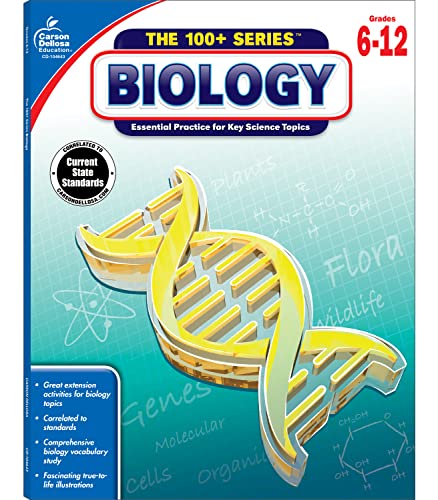
The Carson Dellosa The 100 Series: Biology Workbook for Grades 6-12 covers essential biology topics such as matter, atoms, cells, genetics, elements, and bonds. It offers great extension activities for science and biology and is correlated to standards. A strong vocabulary focus helps students acquire and retain key biology terms, supporting both classroom and homeschool settings. The workbook format supports structured practice and review to reinforce core concepts.
Forensic Investigations Workbook

Mark Twain Media’s Forensic Investigations Workbook engages students with science-based crime-solving activities. It emphasizes deductive reasoning and interpretation of evidence, offering scenarios where multiple outcomes may be plausible. Activities include interpretive handwriting, body language, and fingerprinting, enabling hands-on exploration of scientific methods and critical thinking. This resource is suitable for classroom use or homeschool programs seeking inquiry-driven learning experiences in biology and chemistry contexts.
Meteorology Science Workbook
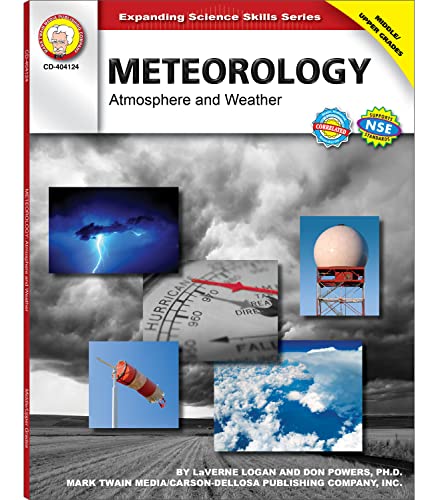
Mark Twain Meteorology Science Workbook explores atmosphere and weather through inquiry investigations. This middle school-focused resource supports student-led investigations, data collection, and interpretation of weather patterns. It is a practical choice for classrooms implementing weather-related science modules or homeschooling units centered on Earth’s atmosphere and climate concepts. Note: the edition listed is described as a used book in good condition, which may appeal to budget-conscious learners seeking foundational meteorology content.
General Science Workbook (Grades 5-8)

Mark Twain Grades 5-8 General Science WorkBook provides broad coverage across solar system topics, weather, energy, natural disasters, and biology. The workbook format supports NSE standards alignment and offers extra practice to reinforce skills across physical, earth, space, and life sciences. It serves as a versatile resource for students who benefit from integrated science activities and cross-topic review.
Buying Guide
- Curriculum alignment: Look for books that clearly indicate alignment with middle school standards or frameworks to ensure compatibility with existing courses.
- Topic breadth: Choose titles that cover multiple areas (biology, earth science, chemistry basics) to support a well-rounded science education.
- Inquiry and hands-on activities: Preference for resources that include experiments, investigations, and problem-solving tasks to foster critical thinking.
- Vocabulary and literacy support: Books with biology or science vocabulary sections help build science literacy essential for success in higher grades.
- Format and accessibility: Consider workbook formats with clear visuals, step-by-step activities, and accessible language for diverse learners.
- Durability and reuse: For classroom settings, choose sturdy workbooks or editions designed for repeated use with multiple students.
- Budget considerations: Price is a factor; consider used or paperback editions if they provide reliable content and value for money.
- Homeschool suitability: If homeschooling, verify that the material supports independent study or teacher-guided lessons as needed.
- Supplementary digital resources: Some titles may offer online components or teacher guides; assess whether these resources add instructional value.
- Student engagement: Look for activities that connect science concepts to real-world scenarios and student interests to maintain motivation.