Starting on the saxophone requires guided practice and approachable methods. The five books below are widely used by teachers and students across the United States, offering clear fundamentals, scalable exercises, and enjoyable repertoire for beginners. Each title covers essential technique, reading skills, and daily practice routines to help new players build confidence and progress steadily. The selections emphasize a mix of method books and beginner repertoire to support a holistic approach to learning the instrument.
| Product | Brand | Format |
|---|---|---|
| Habits Of A Successful Beginner Band Musician – Alto Saxophone | GIA Publications | Book |
| Standard of Excellence Book 1 – Alto Saxophone | Kjos Music Company | Book |
| Rubank Elementary Method: Saxophone | Rubank Publications | Book |
| Absolute Beginners – Alto Saxophone Instruction Book | Hal Leonard | Book |
Habits Of A Successful Beginner Band Musician – Alto Saxophone

The GIA Publications title “Habits Of A Successful Beginner Band Musician” provides a practical framework for new players. It emphasizes daily practice habits, consistent warm-ups, and establishing a steady routine essential for early progress. The book aligns with traditional band settings, helping students understand the role of an alto saxophonist within a section. The included material supports developing tone production, rhythm accuracy, and musical phrasing, making it suitable for beginners who aim to join school ensembles or community bands.
Standard Of Excellence Book 1 – Alto Saxophone

The Standard of Excellence Book 1 by Kjos Music Company is a widely adopted method for beginning players. It combines progressive technical exercises, melodic studies, and ensemble-centered pieces to foster fundamentals such as breath control, embouchure, and intonation. This volume supports teachers with clear progression and includes a broad range of etudes and easy pieces designed to build confidence in reading rhythms and pitches. It’s well-suited for students transitioning from beginner-level instruction to more advanced repertoire.
Rubank Elementary Method: Saxophone
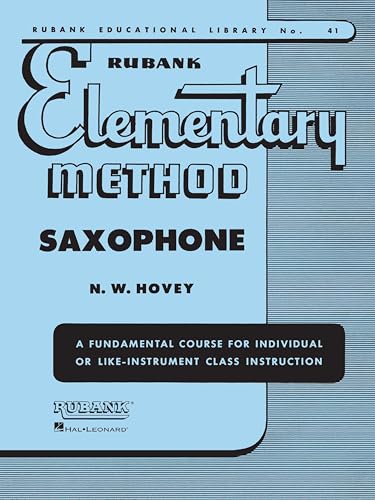
The Rubank Elementary Method offers a concise, all-in-one approach for beginner saxophonists. This softcover book provides 48 pages of progressive lessons that cover basic technique, tone development, articulations, and simple solos. It is designed for beginners to work at their own pace while building essential reading skills and musical understanding. The approachable format makes it a staple in many private lessons and school programs, bridging novice technique with practical performance pieces.
Absolute Beginners – Alto Saxophone Instruction Book
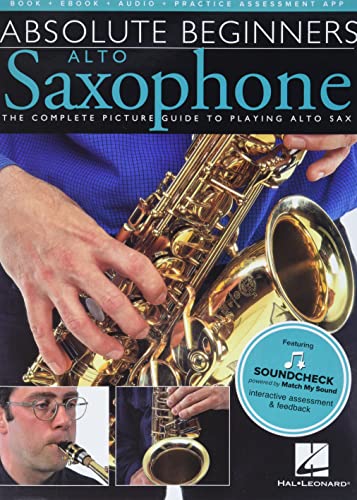
The Hal Leonard “Absolute Beginners” guide provides a step-by-step path for new players, including pictures and online audio to accompany the lessons. With a compact 48-page format, it focuses on essential techniques, posture, and easy tunes that reinforce proper tone production and finger patterns. This resource is particularly accessible for self-guided practice and supplementary material for beginners seeking clear, visual explanations and immediate audio examples to reinforce learning.
Buying Guide: Key Purchase Considerations
- Learning style compatibility: Some beginners benefit from structured method books with graded exercises, while others prefer repertoire-first approaches. Choose a book that matches the learner’s preferred pace and goals, such as band participation or solo playing.
- Content breadth: Look for titles that cover tone production, embouchure, breath control, reading, and basic theory. A balanced mix helps avoid gaps in fundamental skills.
- Supplemental materials: Books offering online audio, teacher guides, or companion audio tracks can enhance practice consistency and listening skills. Audio accompaniment is especially helpful for rhythm and phrasing development.
- Progression and length: Beginners benefit from clearly sequenced material that gradually increases in difficulty. Short, manageable lessons prevent overwhelm and support daily practice.
- Format and portability: Consider whether a softcover, compact workbook, or larger instructional book best fits the student’s practice space, transport needs, and student age.
- Teacher and ensemble alignment: Some books align closely with school band curricula, making them practical when preparing for auditions or band placements.
These selections provide a spectrum of beginner-focused resources, balancing technique, reading, and musical exploration. When choosing, consider the learner’s goals—ensemble readiness, solo performance, or general musical literacy—to select materials that best support consistent practice and noticeable progress.