For new handloaders, the right reference can save time, improve safety, and expand your cartridge options. The following selection highlights foundational manuals that cover data, techniques, and practical tips. Each title below is aimed at those starting out or expanding basic knowledge, with clear charts, load data, and step-by-step guidance. We compare the options by content breadth, ease of use, and how well they serve a beginner’s learning curve.
| Product | Brand | Key Feature |
|---|---|---|
| Lyman 51st Reloading Handbook | Lyman | Full color, broad powder options, largest data selection |
| Over 1,000 pages, 200+ calibers, new data | ||
| The ABC’s Of Reloading | Krause Publications | Beginner-friendly, definitive guide to fundamentals |
| Versatile data set, new cartridges and propellants | ||
| Additional notes | N/A | Practical bench reference, progression for novices |
Lyman 51st Reloading Handbook
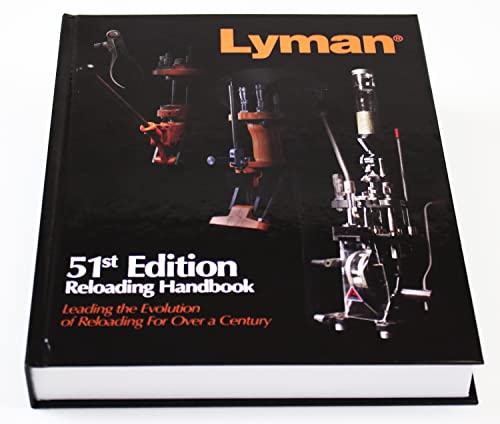
The Lyman 51st Reloading Handbook offers a full color layout that helps beginners read data more easily. It covers a wide range of powders and bullets, making it a solid foundational reference for those starting to assemble reloading data. The emphasis on a broad data set supports experimentation across common calibers, while clear charts aid in quick lookups during bench work. For novices, this book provides a dependable baseline without overwhelming density.
Key highlights for beginners
- Full color edition enhances readability of charts and data tables.
- Large selection of bullets and powders to explore safe, practical loads.
- Structured sections that align with typical reloading steps (case prep, seating, charging).
Overall, the Lyman handbook is a reliable first reference that many new reloaders turn to for its approachable presentation and extensive data catalog.
Hornady Reloading Manual – 11th Edition

The Hornady 11th Edition provides an extensive data base with more than 1,000 pages of reloading data, techniques, and bullet information. It covers over 200 calibers and includes more than 1,500 load combinations, expanding the practical options for beginners aiming to understand how different powders and bullets interact. The edition also includes new data aligned with contemporary products like new powders and newer bullet designs, which helps a learner stay current with common reloading practices.
What beginners gain from this edition
- Broad caliber coverage with updated data for modern powders and bullets.
- Clear guidance on load development and safe practices.
- Direct references to improved bullet types and terminal ballistics concepts.
For newcomers seeking a comprehensive, modern reference, the Hornady 11th Edition serves as a central data hub with practical loading guidance and expanded content compared to earlier editions.
The ABC’s Of Reloading

The ABC’s Of Reloading by Krause Publications is widely regarded as a definitive guide for beginners. While the listing notes its used condition, the book itself is frequently recommended for newcomers due to its clear, structured explanations of core concepts such as safety, equipment basics, and step-by-step workflows. This title helps readers build a strong theoretical framework that translates well into practical bench work, especially for those who prefer a traditional reference format.
Beginner-friendly aspects
- Foundational explanations of terminology and process steps.
- Progressive coverage from basic to more advanced topics.
- Polished organization that supports self-paced learning.
As a core groundwork reference, this book supports beginners who want a solid grasp of fundamentals before moving to more advanced loading techniques.
Hornady 9th Edition Handbook
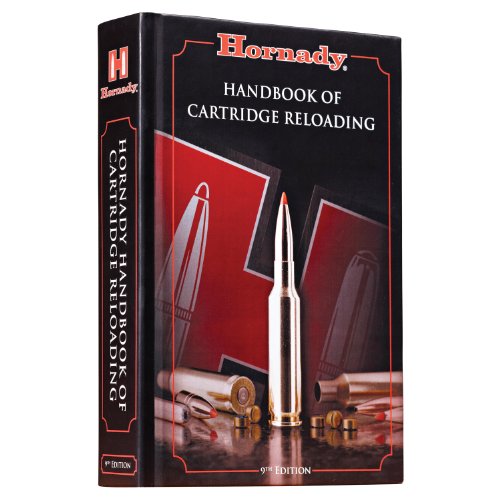
The Hornady 9th Edition Handbook is another widely used reference that emphasizes practical data and cartridge variety. It includes a broad range of cartridges and a variety of propellants, allowing beginners to compare loading options side-by-side. This edition remains a useful stepping stone for those who want to understand how different propellants behave under similar conditions and how to adapt loads for different firearms safely.
Practical considerations for newcomers
- Numerous cartridge entries to broaden exposure beyond common calibers.
- Examples of load development and tuning strategies.
- Guidance on selecting powders and primers for typical bench use.
For learners who value a broad, traditional reference with a hands-on approach, the Hornady 9th Edition complements newer editions by reinforcing core techniques and safety practices.
Buying Guide: Key Considerations For Beginners
Choosing the right reloading handbook depends on learning style, firearm interests, and how you plan to progress. The following considerations help compare options and align choices with goals:
- Content breadth vs. depth: Broad guides offer more calibers and powders, while focused manuals may provide deeper explanations of loading techniques and safety.
- Visual clarity: Color-illustrated charts and well-organized data tables aid initial learning and quick reference during bench work.
- Safety emphasis: Look for step-by-step procedures, warnings, and data interpretation tips designed for beginners.
- Edition currency: Newer editions often include updated powders, bullets, and cartridge information that reflect current reloading practices.
- Accessibility of supplementary resources: Some titles provide online data, companion websites, or companion videos that can enhance understanding.
- Price and condition: Especially with used books, assess condition and how well the content maps to your rifle or pistol interests.
- Learning path alignment: If you prefer a structured progression from basics to advanced, pick a guide with clear chapters aligned to beginner needs.
- Printer-friendly content: For benchside use, select formats with durable layout and easy-to-read figures to minimize eye strain during long sessions.
For new reloaders, combining a foundational guide like The ABC’s Of Reloading with a modern, data-rich manual such as the Hornady 11th Edition can provide both solid principles and up-to-date load data. Consider your firearm interests, the level of technical detail you want, and how you prefer to study when making a choice.