Finding effective phonics resources helps teachers build strong reading foundations. This guide highlights five trusted phonics books and decodable readers commonly used in classrooms, from foundational phoneme work to guided reading with decodable texts. Each pick supports structured instruction, student engagement, and clear progression from sounds to words. Use the summary table below to compare options at a glance.
| Product | Brand | Highlights |
|---|---|---|
| Phonics Book 3: Book 3 | Teacher Created Resources | Structured phonics; classroom-ready |
| Phonics: Book 1, Grades K–3 | Teacher Created Resources | Early-grade foundations; classroom series |
| Phonics Book 2 | Teacher Created Resources | Continued phonic concepts; classroom emphasis |
| hand2mind Guided Phonics + Beyond Decodable Books Unit 2 | hand2mind | Decodable readers; phonemic awareness activities |
| Evan-Moor Daily Phonics, Grade 1 | Evan-Moor Educational Publishers | Daily practice; reproducible worksheets |
Phonics Book 3: Book 3

Phonics Book 3 supports classroom instruction with a focused sequence of phoneme work that bridges early reading into longer text. The book emphasizes decoding strategies through structured activities and consistent practice. It aligns well with core phonics curricula, making it a reliable addition for teachers building a sequenced phonics program. The resource is designed for both whole-class and small-group use, enabling teachers to scaffold instruction while monitoring student progress.
Phonics: Book 1, Grades K–3

Phonics Book 1 serves as an introduction to phonemic concepts for grades K–3. It provides foundational activities that help beginning readers connect sounds to letters, building confidence for young learners. Teachers benefit from lesson-ready material that supports routine phonics practice, progress checks, and progression through essential sound-letter mappings. The book is part of a broader series designed to align with elementary phonics objectives and classroom pacing needs.
Phonics Book 2
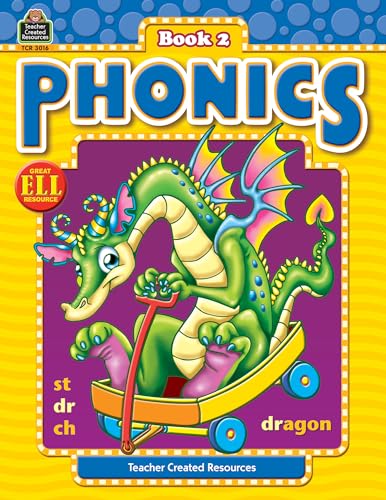
Phonics Book 2 continues the sequence with an emphasis on reinforcing phonic concepts and decoding accuracy. It is designed for classroom use and supports explicit instruction, guided practice, and independent reading activities. Teachers can leverage this volume to deepen students’ sound recognition, blending skills, and word reading fluency, often pairing it with decodable passages to maximize transfer from sounds to text.
hand2mind Guided Phonics + Beyond Decodable Books Unit 2

Guided Phonics + Beyond Decodable Books Unit 2 features decodable readers designed to engage beginning readers while reinforcing phonics skills. Each book presents ten fiction and ten nonfiction stories to prompt application of taught phonics, with pictures that support comprehension after reading. The series emphasizes phonemic awareness activities and avoids high-frequency word reliance until those words are explicitly taught, helping prevent cueing and guessing during initial reading tasks.
Evan-Moor Daily Phonics, Grade 1

Evan-Moor Daily Phonics for Grade 1 provides a comprehensive resource for daily phonics practice. The workbook format supports explicit instruction, phonemic awareness activities, and decoding practice. With reproducible pages and a focus on systematic progression, it serves as a practical daily supplement for teachers seeking structured phonics routines aligned with early reading goals.
Buying Guide: Key Purchase Considerations
- Curriculum alignment: Choose titles that align with your district’s phonics framework and grade level expectations. Look for clear progression from sounds to decodable text.
- Decodability: For beginning readers, decodable readers like unit-based phonics sets help students apply skills without relying on sight-word guessing.
- Teacher support: Favor resources that include teacher guides, lesson plans, and activities that support both whole-class and small-group instruction.
- Assessments and progress monitoring: Materials that include quick checks or reproducible assessment pages help track growth over time.
- Differentiation: Consider books that offer leveled activities or varied practice to meet diverse learner needs within a classroom.
- Implementation pace: Some resources are designed for daily use; others fit into a broader weekly plan. Choose according to your schedule and class size.
- Accessibility: Look for printable worksheets or digital components that ensure easy access for students working from home or in a blended model.
- Teacher experience level: If you are relatively new to phonics instruction, select resources with explicit guidance and clear pacing to avoid guesswork.
- Cost and availability: Compare bundle options versus standalone titles, and consider ongoing needs for decodable readers as class rosters grow.
Additional Considerations And Perspectives
Phonics instruction benefits from a balanced approach that combines explicit sound work with meaningful reading practice. Teachers may prefer a core set of decodable readers to prevent reliance on memory and cueing, paired with structured workbooks for daily practice. For classrooms serving diverse learners, resources that offer repeatable routines, clear expectations, and progress monitoring tend to support consistency across the school year. It can be valuable to mix resources from different publishers to cover a broad range of phonemic elements, while ensuring each title fits your instructional philosophy.
When selecting materials, consider how each book supports essential reading components: phonemic awareness, alphabetic principle, decoding strategies, fluency, and comprehension. The best options provide a logical sequence that scales from simple to complex, enabling teachers to scaffold effectively for beginners and advanced readers alike. Practical features such as reproducible pages, ready-made activities, and decodable passages can save time while maintaining instructional rigor.