For newcomers to the art of origami, the right folding guides and paper kits can make all the difference. The five featured products below cover beginner-friendly tutorials, step-by-step instructions, and a variety of paper formats to spark creativity. Whether you want simple shapes, traditional cranes, or decorative boxes, these options offer structured learning and accessible projects to build confidence and skill.
| Product | Brand | Type |
|---|---|---|
| hapray Origami Kit for Kids | hapray | Kid-focused origami kit with 152 papers and 96-page guide |
| Easy Origami (Dover Origami Papercraft) | Dover Publications | Beginner-friendly collection of 30+ projects |
| Complete Origami Kit | Tuttle Publishing | Two how-to books, 96 sheets, 30 projects |
| Amazing Origami Kit: 144 Papers | Tuttle Publishing | Origami papers and 17 projects |
| Dover Amazing Origami Boxes Book | Dover Publications | 20 origami box designs with instructions |
Hapray Origami Kit for Kids Ages 5-8 and 8-12

The Hapray Origami Kit combines 152 papers with 72 patterns and a guiding book to support beginners. Each 14 x 14 cm sheet offers a spacious folding surface, while the 96-page instruction book provides step-by-step guidance for both simple and moderately complex designs. This kit is designed to engage children and early learners, helping develop fine motor skills and creativity through colorful, patterned sheets. Aimed at gifting on special occasions, it emphasizes practice and progression over time.
Easy Origami (Dover Origami Papercraft)
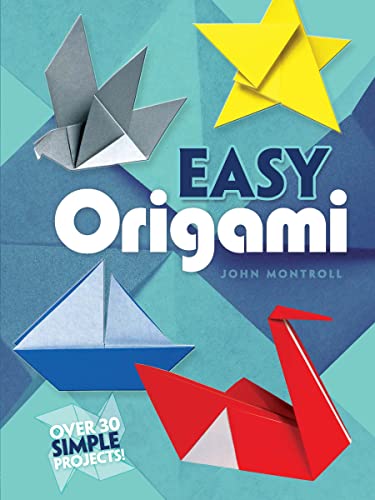
Dover’s Easy Origami Papercraft focuses on accessible, step-by-step projects that are ideal for beginners. With a collection of more than 30 simple designs, this book emphasizes approachable folding sequences and clear diagrams. Its compact format makes it a practical reference for casual crafters and family projects, letting learners build confidence by mastering foundational folds before moving on to more intricate models.
Complete Origami Kit: Two Books, 98 Papers, 30 Projects

The Complete Origami Kit from Tuttle Publishing provides a balanced bundle for beginners and curious crafters. Included are two instruction books, 96 sheets of folding paper, and 30 projects spanning cranes, animals, boxes, and more. The kit is designed to grow with the user, offering a structured path from simple to slightly more complex models. Its emphasis on diverse designs helps learners compare shapes and techniques while expanding their repertoire.
Amazing Origami Kit: 144 Papers and 17 Projects

The Amazing Origami Kit by Tuttle Publishing combines traditional Japanese folding papers with a project booklet featuring 17 designs. This kit is designed to provide a well-rounded entry into origami, pairing high-quality papers with clear folding instructions. It suits learners who want a curated selection of models and a focused set of materials to practice specific folds and techniques, while enjoying authentic paper quality.
Dover Amazing Origami Boxes Book

This Dover guide focuses on origami boxes, offering a collection of 20 original box designs and practical techniques for creating secure, decorative containers. It’s ideal for learners who enjoy functional origami and want to develop precision in shaping corners and edges. The book emphasizes simplicity alongside creativity, making it a reliable reference for home crafts, gifts, and school projects.
Buying Guide
Key considerations help determine the best origami resource for beginners. Start by assessing project variety and progression. Kits with a mix of simple and slightly more complex designs support steady skill growth. Paper quality matters; smooth, crease-holding sheets reduce frustration for new folders. Look for clear, step-by-step instructions with visuals; books that include a companion guide or tutorial pages can accelerate learning. Consider age-appropriateness and safety when selecting kid-focused kits. Finally, choose resources that align with personal interests, whether animals, boxes, or traditional cranes, to maintain motivation and practice consistency.
Paper formats and sizes influence folding ease. Larger sheets can simplify initial folds, while smaller papers support compact projects. A kit that bundles multiple projects into a single set can encourage exploration of various shapes. For families or classrooms, a kit that offers a shared guide or color-coded patterns can streamline instruction and collaboration. Finally, evaluate whether the collection provides a structured curriculum or a looser assortment of projects—both have benefits depending on the learner’s preferred approach to practice.
From a practical standpoint, balance between guidance and experimentation matters. Books and kits with generous explanations reduce trial-and-error time, enabling quicker progress. However, allowing learners to experiment fosters creativity and personal style. When possible, choose resources that combine traditional designs with modern patterns to broaden exposure to different origami traditions and paper aesthetics. This blend helps beginners acquire core folding skills while discovering what kinds of projects most engage them in the long run.