Exploring origami is a great way for children to build fine motor skills, concentration, and creativity. This guide highlights the best origami books and paper kits designed for kids, with a focus on beginner-friendly instructions, durable papers, and engaging designs. Each recommended item supports step-by-step learning and provides ample practice sheets or tutorials to help kids progress from simple folds to more intricate models.
| Product | Brand | Paper Count | Pattern Range | Main Benefit |
|---|---|---|---|---|
| hapray Origami Kit for Kids (8-12) | hapray | 152 | 72 | Robust beginner kit with guiding book |
| Easy Origami (Dover Origami Papercraft) | Dover Publications | N/A | 30+ | Classic collection of simple projects |
| Amazing Origami Kit (Japanese Folding Papers) | Tuttle Publishing | 144 | Various | Tradition-based folding papers and projects |
| Mocoosy 224 Sheets Origami Paper Kit | Mocoosy | 224 | 72 | Video tutorials and instruction book included |
| hapray Origami Kit for Kids (98 Sheets) | hapray | 98 | 47 | Compact starter set with guided instructions |
hapray Origami Kit for Kids (8-12) – 152 Papers

The hapray Origami Kit for Kids ages 8-12 combines a comprehensive paper set with a structured guiding book. It includes 152 sheets, including 144 double-sided papers with 72 unique patterns, all sized at 14 x 14 cm (5.5 x 5.5 inches). A 96-page instruction book supports beginners and intermediate folders with step-by-step directions, plus 10 pages dedicated to basic folding techniques. The kit aims to cultivate fine motor skills, creativity, and perseverance through a sequence of progressively challenging projects.
Easy Origami (Dover Origami Papercraft)
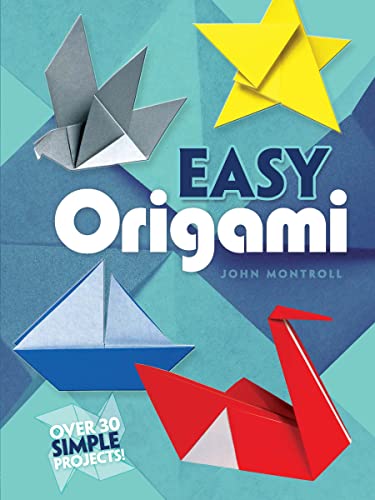
Dover Publications presents Easy Origami, a concise collection featuring more than 30 straightforward projects. This title is ideal for kids who want quick wins and simple models to build confidence before tackling more complex folds. The book emphasizes clear, visual steps and accessible origami techniques, making it a practical starter resource for classrooms, after-school programs, and family crafting sessions.
Amazing Origami Kit: Traditional Folding Papers

Amazing Origami Kit by Tuttle Publishing combines traditional Japanese folding papers with project ideas. This kit typically includes a substantial set of 144 origami papers and a project book outlining 17 folding designs. The dual focus on authentic materials and varied projects supports steady progression from beginner-friendly models to slightly more challenging pieces, aligned with cultural origami practices.
Mocoosy 224 Sheets Origami Paper Kit

The Mocoosy kit offers an expansive 224-sheet paper set with 144 double-sided papers featuring 72 patterns, plus 80 practice sheets. It also includes a video tutorial and an instruction book, designed for beginners to intermediate folders. The durable, smooth origami papers are color-rich and designed to maintain creases over repeated folding, making it suitable for longer-term projects and travel activities.
hapray Origami Kit for Kids (98 Sheets)
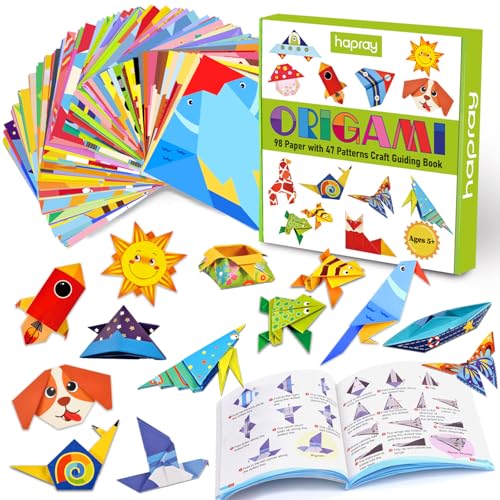
This hapray kit provides 98 sheets across 47 patterns, with four practice sheets and 90 additional sheets across two-color designs. The 49-page instruction book plus a 10-page section on basic folds supports learners from beginner to more advanced levels. The compact size and curated pattern mix make this kit well-suited for travel or school activity sessions, delivering a steadier entry into origami craft without overwhelming new folders.
Buying Guide
- Paper quality and durability: Look for smooth, crease-holding origami paper that stays flat after folding. Heavier paper often handles complex folds better but may be harder for very young children.
- Instructional support: Kits that include a dedicated guidebook or step-by-step visual instructions help children progress without adult intervention. Video tutorials are a strong bonus for independent learning.
- Pattern variety: A broad range of patterns (simple to complex) supports skill progression and keeps kids engaged. Patterns should be clearly printed and easy to distinguish on double-sided sheets.
- Age appropriateness: Choose kits labeled for the child’s age range, ensuring the difficulty aligns with developmental capabilities and attention span.
- Included tools: Some kits include practice sheets or technique pages focused on basics (valley and mountain folds, pleats, squash folds). A combination of papers and a guidebook enhances long-term use.
- Portability and storage: Consider compact kits with a durable storage solution for travel or classroom use. A sturdy box or sleeve helps keep papers organized and prevents loss of small sheets.
- Value for learning: Compare the total number of sheets, the variety of patterns, and whether a booklet or video tutorials are included. A larger paper count with a structured guide often yields better learning outcomes.
- Safety considerations: For younger children, ensure papers are non-toxic and lamination-free to avoid sharp edges or choking hazards with small pieces.
- Progression planning: A well-rounded kit should support initial curiosity and gradually introduce more intricate models, enabling mastery over time rather than quick, repetitive projects.
- Educational alignment: Some kits align with classroom activities or homeschooling curricula, offering structured projects that fit into lesson plans.
When selecting an origami kit for kids, weight the balance between creative freedom and guided instruction. Kits with both pattern variety and clear folding guidance tend to support consistent improvement, reduce frustration, and sustain interest across multiple sessions.