Discover approachable music theory resources designed for early learners. This guide highlights five child-friendly options that blend note reading, rhythm, and ear training with engaging activities. Each selection below supports foundational music understanding for young musicians, using age-appropriate language and colorful materials.
| Product | Brand | Format | Key Focus |
|---|---|---|---|
| Music for Little Mozarts Flash Cards: A Piano Course to Bring Out the Music in Every Young Child (Level 1), Flash Cards | Alfred Music | Flash Cards | Rhythm patterns, musical symbols, terms, notes, rests |
| Piano Adventures: Theory Book – Level 1, 2nd Edition | Faber Piano Adventures | Theory Book | Notation, practice with Level 1 materials |
| Mel Bay Beginner Violin Theory for Children, Book Two | Mel Bay Publications | Book | Beginning-Intermediate theory concepts |
| Music Theory – Hal Leonard Guitar Method by Tom Kolb | Hal Leonard | Method Book | Scales, chords, modes, ear training |
| Theory of Music Made Easy: Grade 1 | Rhythm MP | Book | Foundational theory concepts |
The following sections introduce each product with a concise overview, focusing on how it supports early music education and gradual skill development. Each entry includes a direct link to the product page for convenient browsing, a visual, and a summary of the core features.
Music for Little Mozarts Flash Cards

Alfred Music’s Music for Little Mozarts Flash Cards are designed to reinforce concepts from the Level 1 lesson materials. The set introduces musical symbols, rhythm patterns, and essential terms in a kid-friendly format. Children can build familiarity with notes and rests while practicing steps and skips in a visually engaging way. The flash cards are ideal for quick, active review and can be used in classroom or home settings to support early piano education.
Core features help young learners connect visual symbols with sound, supporting memory and rote recall. The cards complement a structured lesson plan and can be used for quick drills, listening activities, or paired practice sessions with a parent or teacher. While designed for piano beginners, the concepts translate well to general music theory foundations for young children.
Piano Adventures Theory Book, Level 1

The Theory Book in Faber Piano Adventures Level 1 is designed to be used alongside the Level 1 piano method. It provides structured exercises for standard notation and practical theory tasks appropriate for beginners. The workbook emphasizes reading music in standard notation and gradually introduces concepts that support repertoire learning and ear training, aligning with typical early-learner curricula.
Potential benefits include a clear progression from staff notation to practical music reading. The level-1 alignment helps students reinforce what they practice at the keyboard, and teachers can integrate theory tasks with playing exercises to promote cohesive musical understanding. It is especially useful for students transitioning from beginner pieces to more varied study materials.
Mel Bay Beginner Violin Theory for Children, Book Two
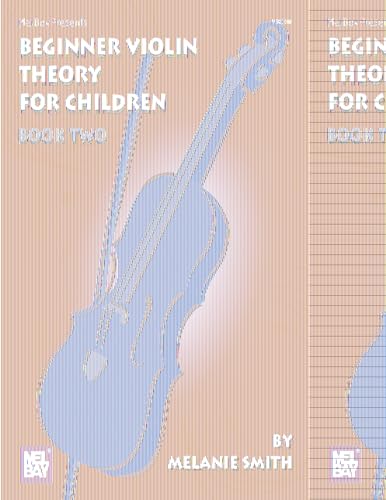
Mel Bay’s Beginner Violin Theory for Children, Book Two targets early readers with a beginner-to-intermediate approach. While focused on violin, the content reinforces foundational theory concepts, including reading, rhythm, and basic melodic thinking, suitable for young students across string instruments. The authoring emphasizes accessible explanations and practice-friendly activities that help young learners connect theory with playing technique.
Educators and parents can use this book to supplement instrument-specific lessons, offering theory exercises that reinforce note identification, rhythm patterns, and melodic thinking. The approachable structure supports gradual skill development and cross-instrument transfer of basic theory ideas.
Music Theory – Hal Leonard Guitar Method, Tom Kolb

Hal Leonard’s Music Theory within the Tom Kolb Guitar Method introduces scales, chords, modes, and ear training with a practical, step-by-step approach. Although aimed at guitar players, the material covers foundational theory concepts that are transferable to other instruments and general music understanding for early learners. The inclusion of audio tracks enhances listening skills and helps students hear theoretical constructs in context.
Key considerations include how well the book integrates with beginner instrument lessons and whether the practice materials suit a child’s attention span. For families seeking a broader theory resource that remains approachable, this book provides structured progressions and active hearing exercises that can supplement standard instrument lessons.
Theory of Music Made Easy: Grade 1

The Theory of Music Made Easy—Grade 1 offers concise explanations and approachable exercises intended for beginners. The material focuses on essential theory topics with clear summaries, making it suitable for young learners building a solid theoretical foundation. The author’s approach aims to demystify music notation and concepts, encouraging consistent practice and independent study as children grow more confident with reading and understanding musical structures.
Buying Guide: Key Purchase Considerations for Young Learners
- Age-appropriateness: Choose materials that match a child’s current reading level and attention span. Visuals, large print, and interactive activities help maintain engagement.
- Instrument integration: Consider whether the resource is designed for piano, strings, or general music theory. Cross-instrument materials can reinforce concepts across settings.
- Progression and pacing: Look for resources that provide a clear path from basic symbols to more complex notation and ear training, with incremental challenges.
- Practice formats: Flash cards, workbooks, and digital tracks support varied practice styles. Combining formats can build a well-rounded foundation.
- Teacher and parent support: Materials that include teacher notes, answer keys, or guidance for at-home practice can improve consistency and outcomes.
- Audio-visual supplements: Audio tracks and demonstrations help with aural skills, essential for early theory learning.
- Flexibility: Resources that allow for quick drills or longer lesson plans accommodate different schedules and learning paces.
- Durability and accessibility: For younger children, durable print materials or interactive digital options are advantageous for repeated use.