Finding the right multiplication resources can help kids build math confidence and speed. This guide highlights five highly regarded books and learning tools designed for primary learners in grades 2–4. Each option blends practice pages with visual aids, real-world word problems, and engaging formats to keep students motivated while reinforcing essential multiplication concepts. The suggestions cover workbook-style practice, one-digit multiplication drills, flash cards, and interactive games to support varied learning styles.
Overview of chosen products:
| Product | Brand | Format | Target Grade | Core Focus |
|---|---|---|---|---|
| School Zone Multiplication Facts Made Easy Workbook | School Zone | Workbook | 3–4 | Facts drill, arrays, word problems |
| Ireer Single Digit Multiplication Workbook | Ireer | Workbook | 2–3 | Single-digit drills, daily practice |
| Kiadekoce Multiplication Flash Cards 0–12 | Kiadekoce | Flash Cards | 1–3 | Timed recall, self-learning |
| School Zone Math Basics 3 Workbook | School Zone | Workbook | 3–4 | Multiplication, division, word problems |
| Multiplication Chart Pop It | COOVA | Game/Tool | 8–12 | Interactive table memorization |
School Zone Multiplication Facts Made Easy Workbook

Designed for ages 8 to 10, this 64-page workbook focuses on building quick recall of multiplication facts through a structured sequence. It emphasizes visual learning with arrays and word problems that connect abstract facts to real-world contexts. The design aims to keep students engaged while steadily increasing accuracy and speed. Features include a stylish layout, durable pages, and clear instructions for teachers and parents guiding daily practice.
Ireer Single Digit Multiplication Math Problem Workbook
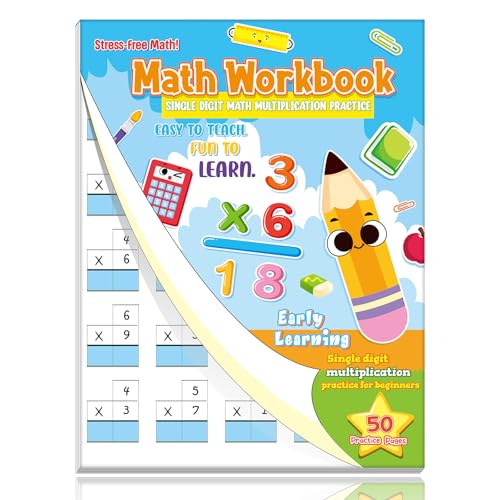
This beginner-friendly workbook targets grades 2–3 with a focused set of single-digit multiplication problems. It features 50 pages of double-sided practice and a lay-flat binding for easy use. The pages are designed to allow daily per-page practice, helping students build fluency and confidence with basic multiplication concepts. The format supports visual learners with straightforward layouts and practical exercises that reinforce addition and subtraction alongside multiplication drills.
Kiadekoce Multiplication Flash Cards 0-12
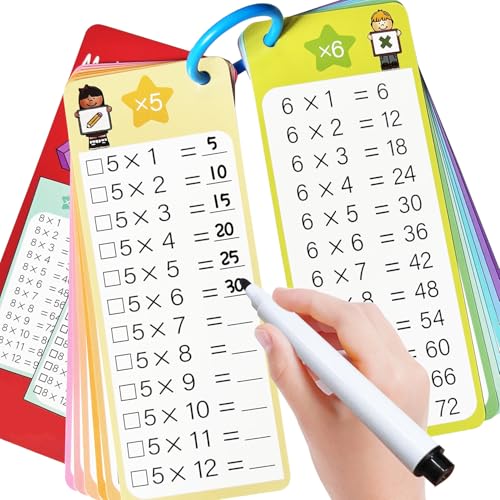
These 15 two-sided multiplication flash cards (0–12) come with dry-erase markers and binder rings for easy organization. The front presents problems, the back provides answers, and the set includes dual-colored markers to support self-guided learning. The durable laminated cards are designed for frequent reuse, helping kids memorize multiplication facts through quick, interactive practice that can be done alone or with a parent or teacher. Ideal for classroom activities and home study alike.
School Zone Math Basics 3 Workbook

This 64-page workbook targets third-grade learners with a balanced mix of multiplication, division, word problems, and place value activities. The content is designed to help students translate number sense into procedural fluency, offering varied problems to reinforce essential operations. The workbook format supports independent practice while providing opportunities for guided instruction and review to solidify understanding of multiplication concepts.
Multiplication Chart Pop It

This interactive learning tool combines a 12×12 times table with a pop-it fidget toy. Suitable for kids aged 8–12, it helps visualize and memorize multiplication tables while providing a stress-relieving, hands-on activity. The colorful design supports engagement and can be used as a quick practice aid during study sessions or as a classroom game that reinforces table mastery through play.
Buying Guide: Key Purchase Considerations
- Learning goals: Choose resources aligned with fluency, accuracy, or word-problem application, depending on whether a child needs drill practice, conceptual understanding, or real-world math context.
- Format and engagement: Workbooks suit structured practice; flash cards support quick recall; game-based tools like Pop It provide interactive, multisensory learning that can reduce math anxiety.
- Grade range and progression: Start with products targeting early middle elementary grades and progressively introduce more challenging material as fluency increases.
- Durability and reuse: Cards and laminated materials withstand frequent handling; lay-flat bindings and user-friendly layouts matter for independent practice.
- Accessibility and ease of use: Clear instructions, visual aids like arrays, and numbered steps help young learners stay on task without constant guidance.
- Parental and teacher support: Look for resources with teacher-friendly instructions or cues for guided instruction to maximize impact in both home and classroom settings.
- Cost-per-use and value: Consider how many activities each product offers and whether it provides long-term practice opportunities beyond a single unit of study.
In sum, these five products offer a spectrum of approaches to multiplication mastery—from systematic drills and one-digit practice to repeatable recall with durable flash cards and an engaging game-style tool. Selecting a mix that fits a child’s learning style can help establish a strong foundation in multiplication skills that carry into higher-level math.