Discover mindfulness card decks designed to support anxiety relief, stress management, and daily self-care for adults. This guide highlights five highly rated options, each offering unique prompts, breathing techniques, and reflective activities to fit busy American lifestyles. Whether you’re seeking a quiet moment in a hectic day or a structured month-long practice, these decks provide accessible, portable tools for lasting calm and presence.
| Product | Brand | Categories | Format | Highlights |
|---|---|---|---|---|
| BEST 100 Daily Meditation Cards | The Idea Space | Breathing, Mindfulness Basics, Metta, Zen | 100 cards | Beginner-friendly, day/night options |
| BEST 100 Mindful Prompts | The Idea Space | Mindfulness, Emotions, Stoicism, Zen | 100 prompts (50 double-sided cards) | Quote, reflection, daily motivation |
| 52 Stress Less & Self Care Cards | Allura & Arcia | Mindfulness, Meditation | 52 exercises | Therapist-developed techniques |
| 31 Day Mindfulness Challenge Cards | Embracing Mindfulness | Mindfulness tasks | 31 cards | Month-long habit formation |
| Coping Skills Cards for Anxiety & Stress Relief | Deyl Cavier | Trauma support, Coping skills | 10 cards | Multi-sensory techniques |
BEST 100 Daily Meditation Cards
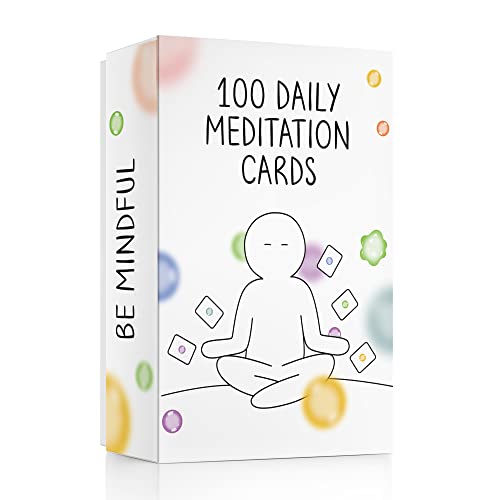
The Idea Space’s Best 100 Daily Meditation Cards offer a comprehensive library of mindfulness exercises organized to support both beginners and veterans. With 100 cards spanning categories such as Breathing Techniques, Mindfulness Basics, Mindful Living, Metta/Loving Kindness, Stoicism, Zen, and the overarching The Idea Space framework, this deck enables users to build a flexible practice. Cards can be used anytime during the day or night, encouraging a consistent routine that adapts to fluctuating schedules. The bold, eye-catching graphics also serve as decor reminders to stay present, whether at home or in the office. A practical feature is the suggested sequencing for newcomers, while still allowing free exploration for experienced practitioners, making it suitable for individuals, couples, or small groups seeking gentle mindfulness prompts.
Key takeaways include: a wide variety of exercises that address calmness, emotional awareness, and mental fortitude; adaptable use for daytime or nighttime routines; and a visually appealing set designed to be shared as a thoughtful gift. The inclusive scope covers stress relief, mood enhancement, and spiritual connection, aligning with users seeking a deeper practice beyond simple affirmations.
BEST 100 Mindful Prompts for Self Care & Stress Relief

The Mindful Prompts deck from The Idea Space emphasizes reflection and motivation with 100 prompts across six day/night categories. The design encourages routines that begin with a motivating quote in the morning and a reflective prompt at night, promoting consistency and deeper self-awareness. The cards are visually appealing, making them suitable for display in living spaces or workstations, helping users stay mindful during daily activities. This deck is particularly helpful for individuals seeking a structured, yet flexible, approach to mindfulness that blends daily inspiration with practical reflection.
Highlights include: a balanced mix of motivation and reflection; clear day/night usage to anchor daily rituals; and category diversity (Mindfulness, Life, Emotions, Stoicism, Zen, and The Idea Space) that supports personal growth without requiring prior expertise. The design also positions these as thoughtful gifts for friends or family exploring mindfulness journeys.
52 Stress Less & Self Care Cards

Allura & Arcia present 52 easy, therapist-informed exercises designed to reduce stress, facilitate relaxation, and promote a calmer mindset. The deck targets a broad audience—kids, teens, women, men, and adults—making it a versatile addition to homes, offices, classrooms, or counseling spaces. The exercises cover various modalities, including breathing, body awareness, and guided visualizations, enabling quick mental resets during busy days or challenging moments. A practical choice for clinicians, educators, or individuals seeking accessible self-care tools.
Key considerations include: quick-to-memorize techniques for on-the-go use; evidence-informed techniques from mental health professionals; and broad applicability across ages and settings. The breadth of exercises supports a range of preferences, from tactile to visual to verbal prompts, making it easier to find a method that resonates with different users.
31 Day Mindfulness Challenge Cards
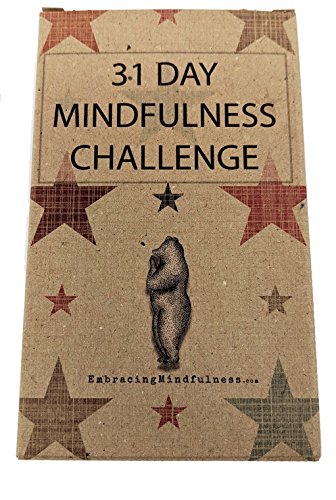
Embracing Mindfulness presents a 31-day challenge designed to seed a lasting mindful habit. Each day offers a practical task intended to bring attention to the present moment and nurture creativity, productivity, and inner calm. The cards use postcard-sized prompts with accompanying images, making them easy to carry and use in daily life, commutes, or breaks. The long-term aim is to embed mindful choices into everyday routines, gradually transforming how users respond to stress and distraction.
Important aspects include: a structured month-long format that supports habit formation; straightforward tasks that can be performed discreetly; and the potential for individual use or group setting in workplaces or classrooms. For beginners, this deck provides clear, approachable steps; for experienced practitioners, it can supplement a broader mindfulness plan.
Coping Skills Cards for Anxiety & Stress Relief

Deyl Cavier offers a compact set focused on coping with anxiety, trauma, and crisis moments. The deck includes 10 cards featuring 20+ coping strategies across visual, tactile, gustatory, auditory, olfactory, movement, and multi-sensory techniques. Its portability makes it a practical on-the-go resource for adults and teens facing stress or emotional distress. The emphasis on trauma-informed strategies makes it suitable for individuals seeking targeted tools to manage panic, flashbacks, and mood shifts in everyday life or clinical settings.
Key considerations involve: targeted support for crisis moments and trauma-related symptoms; portability and ease of use when stress is high; and the breadth of coping modalities to suit diverse preferences. This deck complements broader mindfulness practices by offering concrete, immediate options during intense emotions or sudden distress.
Buying Guide: Key Purchase Considerations
- Prompts vs. prompts plus activities: Some decks emphasize reflective prompts, while others provide actionable exercises. Consider whether you want daily reflection, practical coping steps, or a mix of both.
- Structure and pacing: Decks range from month-long challenges to open-ended sets. If you prefer a guided routine, choose a deck with a clear daily or weekly cadence; for flexible use, select standalone prompts.
- Audience and accessibility: Look for decks with universal language and accessible prompts suitable for adults, seniors, teens, or mixed groups. Some decks include clinical or trauma-informed elements; ensure alignment with your needs.
- Portability and presentation: Card size, card stock, and packaging affect durability and ease of travel. A visually engaging design also enhances motivation to use the deck.
- Usage setting: Home, office, classroom, therapy, or travel—different decks cater to various environments. Consider whether a quiet personal practice or a facilitator-led activity is your goal.
- Therapeutic alignment: If using cards for mental health support, check whether the deck aligns with therapeutic approaches (breathing techniques, grounding, cognitive reframing) and whether it complements professional guidance.
- Durability and replacement: Some decks offer sturdy, wipeable surfaces for repeated handling, while others are more decorative. If you expect frequent use, durability matters.
- Gift potential: Many decks make thoughtful gifts for friends, family, or coworkers seeking stress relief. The visual appeal and clear prompts can enhance motivation to start a practice.
In evaluating options, consider combining a few decks that cover different angles—structured prompts for daily practice, prompts accompanied by reflections for deeper exploration, and a compact coping-skills set for crisis moments. This multi-faceted approach can provide a well-rounded mindfulness toolkit for adults navigating busy lives in the United States.