Parents and educators seek engaging books that teach words, sounds, and early handwriting while keeping learning fun. The following selection focuses on toddler-friendly titles that promote vocabulary, fine motor skills, and independent play. Each pick includes interactive elements or activities designed for young learners, helping children build confidence as they explore language and basic literacy concepts.
| Product | Brand | Key Features |
|---|---|---|
| LeapFrog Learning Friends 100 Words Book (Frustration Free Packaging) | LeapFrog | Alphabet introduction; 100+ words; sound effects; theme songs |
| LeapFrog Learning Friends 100 Words Book | LeapFrog | Over 100 words; word categories; touch-and-hear words; light-up star button |
| Preschool Learning Activities – Tracing Books for Kids Ages 3-5 | Momo & Nashi | Tracing, shapes, lines; dry-erase markers; portable storage; pencil grip focus |
| Imitation Book: Learn to Talk Board Book | Twin Cities Speech Therapy Publishing | Early talking; toddler language; guidance for late talkers |
Note: The table summarizes the showcased titles and their core learning focus. Each product offers different methods to engage toddlers, from interactive sound prompts to hands-on tracing and language development guidance. Readers should consider their child’s current language level, attention span, and preferred learning style when selecting a book.
LeapFrog Learning Friends 100 Words Book (Frustration Free Packaging)
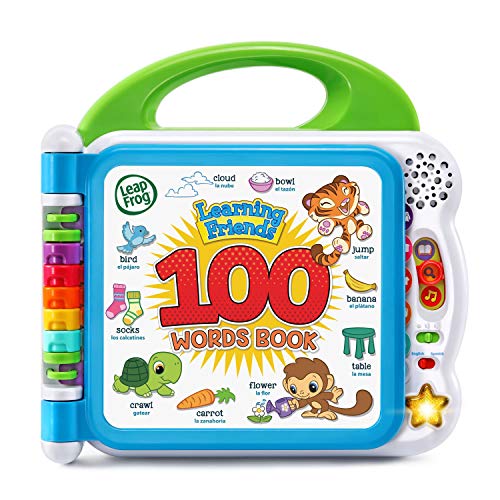
The LeapFrog 100 Words Book introduces the alphabet and more than 100 age-appropriate words, selected by learning experts. Three friendly characters—Turtle, Tiger, and Monkey—guide early vocabulary across categories such as pets, animals, food, colors, and everyday activities. Interactive pages respond to touch with word pronunciation, sound effects, and fun facts. A light-up star button plays a theme song and another word-based tune, reinforcing memory through music and repetition. This format supports early word recognition, categorization, and listening skills in a compact board-book design ideal for toddlers.
Key features to consider include: multi-sensory engagement through touch-based word sounds, broad category coverage to connect objects to language, and the built-in songs that encourage active participation. The durability and size are suitable for little hands, making it a popular choice for shared reading and independent exploration alike.
LeapFrog Learning Friends 100 Words Book, Green
This green edition features the same Learning Friends concept with Turtle, Tiger, and Monkey guiding learners through more than 100 words. Categories include pets, animals, foods, mealtime, colors, activities, opposites, and outdoor items. When a child touches a word, the book speaks the word aloud, plays related sounds, and shares a quick fact to reinforce comprehension. The light-up star button also delivers the Learning Friends theme song and a special word cue, adding musical association to vocabulary building. Suitable for early readers, this edition emphasizes word recognition, auditory processing, and category associations.
Parents can use the book to model vocabulary use during shared reading, encourage independent exploration, and track progress through repetition across different contexts. It pairs well with daily routines like mealtime or playtime, offering practical opportunities to apply new language in real-life situations.
Preschool Learning Activities – Tracing Books for Kids Aged 3-5

This all-in-one tracing set focuses on handwriting readiness for children aged 3-5. The dry-erase workbook includes six colorful markers, a smiley eraser, pen holder, and a sturdy storage box for mess-free use. Activities emphasize letter tracing, shapes, lines, numbers 1-10, and handwriting strokes, helping kids gain confidence in forming letters and numbers. The reusable nature of the dry-erase format supports independent practice and repetition, a known driver of skill acquisition for early writers.
Key benefits include promoting fine motor development, cognitive attention, and school readiness without screen time. It also supports homeschool, daycare, or classroom use, where structured practice in a looser, creative setting helps sustain engagement. The non-toxic materials and child-friendly design are suited for everyday learning routines and quick daily sessions.
Imitation Book: Interactive Learn to Talk Board Book

This board book targets early speech development with practical guidance for toddlers, focusing on how to encourage verbal imitation and language play. Written by a speech therapy publisher, the book offers tips for parents and caregivers to support fluent speech, word use, and sentence building in everyday interactions. It’s designed for ages 0-4, making it a versatile tool for households or clinics aiming to bolster early communication skills and confidence in speaking with others.
Expected outcomes include improved articulation, increased word repertoire, and more frequent verbal exchanges between child and caregiver. The practical approach helps caregivers tailor activities to a child’s pace and interests, while the content remains accessible to non-specialists through simple explanations and friendly prompts.
Buying Guide: Key Purchase Considerations For Toddlers’ Learning Books
When selecting learning books for toddlers, consider how each book supports foundational literacy and language development. Important factors include content focus, interaction style, durability, and the surrounding learning environment. Below are perspectives to guide decisions:
- Active engagement: Choose formats that invite touch, sound, or movement. Interactive features such as word pronunciation, songs, and sound effects can boost attention and vocabulary retention but should be age-appropriate to avoid overstimulation.
- Vocabulary depth and categories: Look for books that cover diverse word categories (objects, actions, colors, animals) and offer repeated exposure to core terms. Consistent exposure helps toddlers encode new words more effectively.
- Fine motor development: Tracing and writing activities support pencil grip and hand-eye coordination. Dry-erase formats offer repeated practice and reduce waste while maintaining an engaging structure for short sessions.
- Language support: For late talkers or bilingual homes, choose resources with clear enunciation and opportunities for modeling phrases. Books that provide prompts for adults to extend language are particularly valuable.
- Durability and safety: Board books and sturdy materials resist tearing and withstand rough handling. Non-toxic inks and safe construction are essential for toddlers who explore with their mouths.
- Age alignment and pacing: Ensure the book’s activities align with the child’s current abilities. A gradual progression from recognition to production—labeling, repetition, and then spontaneous use—helps sustain motivation.
- Home vs. classroom use: Some titles work well for shared reading, while others target independent practice. Consider how a book fits into routines like bedtime, mealtime, or quiet play.
- Accessibility and inclusivity: Look for simple visuals, clear fonts, and relatable imagery. Some books also provide guidance for caregivers on adapting activities for children with diverse needs.
In sum, successful toddler learning books balance play with purposeful learning. They should invite exploration, provide opportunities to practice new words or letters, and offer a predictable structure that children can anticipate and enjoy. By matching a book’s strengths to a child’s development stage, caregivers can foster confidence, curiosity, and a solid foundation for early literacy.