Growing interest in Korean language and culture makes children’s books a powerful learning tool. This article highlights five engaging, kid-friendly picks that blend music, stories, and hands-on activities to introduce Hangul, basic vocabulary, and familiar phrases. Each title uses interactive elements or bilingual formats to make language learning natural and enjoyable for early learners. Explore these options to support literacy, memory, and cultural awareness in young children.
| Product | Brand | Highlights |
|---|---|---|
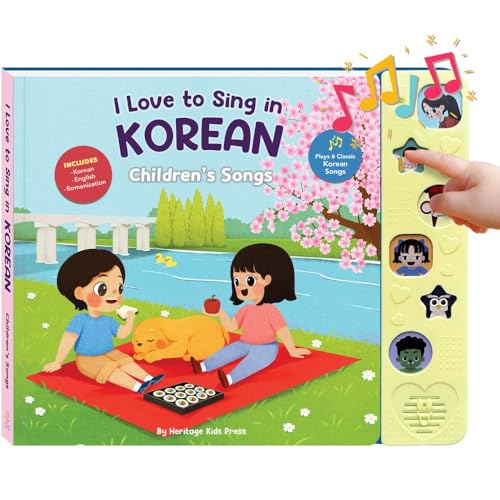
| I Love to Sing in Korean: Children’s Songs | Heritage Kids Press | Interactive songs; Hangul basics; vibrant visuals |
| I Love to Sing in Korean: Animal Songs | Heritage Kids Press | Animal-themed songs; engaging melodies; cultural exposure |
| New! Learn Korean for Kids, Momo Learns Korean Vol. 1 | Momo Learns Korean | Bilingual Korean-English; first words & songs; hangul basics |
| New! Learn Korean for Kids, Momo Learns Korean Vol. 2 | Momo Learns Korean | Continued bilingual exposure; audio with songs; vocabulary-building |
| SSol & Sam Korean Alphabet Learning Toys | SSol & Sam | Hangul flashcards; wooden letters; pronunciation symbols |
I Love to Sing in Korean: Children’s Songs

Heritage Kids Press presents an interactive song-based experience that helps children absorb everyday Korean phrases through catchy tunes and playful activities. The book combines vibrant illustrations with audio elements to reinforce vocabulary and cultural context, supporting early language development in a fun, memorable way.
Key features
- Language Made Playful: Songs introduce common phrases naturally.
- Vibrant Illustrations: Bright visuals convey Korean culture and context.
- Vocabulary Development: Rhythmic songs aid word retention and pronunciation.
I Love to Sing in Korean: Animal Songs
This edition extends the same interactive song format to animal-themed content, helping kids connect language with familiar creatures. The combination of melodies and colorful artwork supports memory and curiosity about Korean language and culture in a kid-friendly package.
Key features
- Language Made Playful: Engaging songs teach phrases in a natural way.
- Vibrant Illustrations: Eye-catching art deepens cultural understanding.
- Language & Vocabulary Development: Repetitive tunes reinforce basic terms and sounds.
New! Learn Korean for Kids, Momo Learns Korean Vol. 1

This bilingual board book introduces Hangul, basic vocabulary, and first words through songs and simple activities. The format is designed for infants and toddlers, with a calming audio component and durable pages suitable for early learners in bilingual households.
Key features
- Bilingual Korean-English: Accessible for families starting Korean studies.
- Soothing Voice: Real mom narration adds warmth and clarity.
- Durable, Easy-to-Use: Ideal for babies and toddlers learning foundational terms.
New! Learn Korean for Kids, Vol. 2

Volume 2 extends the bilingual exploration with more songs and vocabulary, reinforcing Hangul recognition and pronunciation. It builds on foundational words while introducing new phrases in a kid-friendly, musical format that keeps young learners engaged and progressing.
Key features
- Expanded Vocabulary: Adds phrases suitable for everyday contexts.
- Audio Integration: Song-based learning supports auditory learners.
- Kid-Centric Design: Durable, illustrated pages encourage independent exploration.
SSol & Sam Korean Alphabet Learning Toys
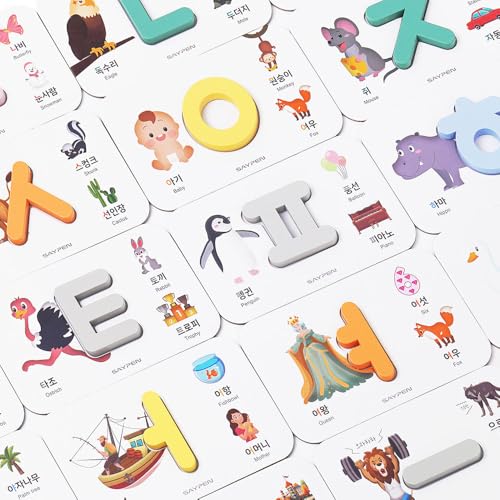
This kit centers on Hangul letters with tactile wooden letters and flashcards. It provides a visual and kinesthetic approach to letter recognition, pronunciation aids, and basic word formation, making it a practical supplement to reading-focused Korean books.
Key features
- Includes 24 Hangul letters on sturdy cards.
- Two-sided design with letters, words, and pronunciations.
- Supporting materials offer pronunciation symbols for reading aloud.
Buying Guide: Key Purchase Considerations for Kids’ Korean Reading
When selecting Korean books for children, consider the child’s age, learning style, and language goals. Bilingual formats are helpful for beginners, while interactive sound books support auditory learners. For toddlers, durable board books and chunky flashcards can withstand rough handling. For longer-term readers, story-based titles and sing-along formats promote ongoing engagement. Accessibility features like audio, clear Hangul presentation, and culturally rich imagery enhance retention and interest.
Purchase considerations
- Format and durability: Board books and wipe-clean pages suit younger children; soft-cover titles may be better for older kids with longer attention spans.
- Language approach: Bilingual text vs. solely Korean exposure; consider your family’s language goals and consistency.
- Interactivity: Audio, songs, or pull-out activities can boost engagement and memory.
- Illustrations and cultural context: Rich visuals help with comprehension and cultural appreciation.
- Age appropriateness: Look for age ranges and word counts aligned with your child’s development.
Comparison at a glance
- Song-based titles (I Love to Sing in Korean) excel for listening and pronunciation through repeated, memorable phrases.
- Momo Learns Korean volumes provide structured bilingual content with gradual vocabulary growth and songs.
- Alphabet-focused kits (SSol & Sam) strengthen letter recognition and foundational reading skills.