Finding the right kindergarten learning resources for homeschool can shape early academic habits. This guide highlights five well-regarded titles that align with foundational reading, writing, and math skills. Each selection emphasizes engaging activities, colorful layouts, and classroom-ready practice to help young learners build confidence at home.
| Product | Brand | Notes |
|---|---|---|
| Carson Dellosa Phonics for Kindergarten Workbook | Carson Dellosa Education | Phonics, sight words, consonant and vowel practice |
| Preschool Learning Activities – Tracing Books | Momo & Nashi | Letter tracing, fine motor skills, dry-erase |
| School Zone Big Kindergarten Workbook | School Zone | 320 pages of early reading and math |
| 100 Words Kids Need to Read | Scholastic | 100 essential sight words |
| School Zone Addition & Subtraction Workbook | School Zone | Early elementary math practice |
Carson Dellosa Phonics for Kindergarten Workbook
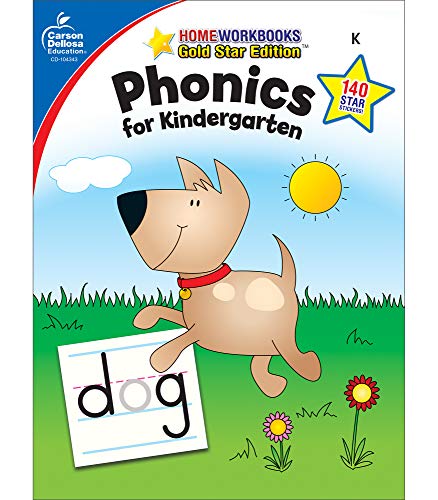
Designed for homeschooling or classroom use, this best-selling workbook blends engaging activities with core language arts standards. Students build essential phonics skills through fun puzzles, games, and exercises focused on beginning consonants and short vowel sounds, alongside common sight words. The included incentive chart and 140 stickers encourage consistent practice and goal setting, which can help young learners stay motivated as they tackle daily activities. The workbook format supports independent work or guided sessions, making it versatile for homeschool schedules and routines.
Preschool Learning Activities – Tracing Books

This all-in-one tracing set focuses on handwriting readiness for ages 3 to 5, offering letter tracing, shapes, numbers, and early writing practice. The dry-erase design supports repeated use, promoting consistency without extra purchases. A sturdy storage box and included markers encourage independent, device-free practice, which is beneficial for homeschooling environments. The program emphasizes fine motor development and stroke recognition, helping children gain dexterity and pencil control while preparing them for kindergarten writing tasks.
School Zone Big Kindergarten Workbook

This extensive workbook offers 315–320 pages of structured activities designed to cover the kindergarten curriculum. It includes reading readiness, early math, counting, and story order tasks, along with exercises in alphabet work, basic phonics, and writing. The format balances colorful exercises with clear progression to help children advance from easier to more complex tasks. With a proven track record across generations, this resource supports both homeschool and classroom curricula, providing a broad foundation across core subjects.
100 Words Kids Need to Read by 1st Grade

Focusing on essential sight words, this Scholastic resource helps younger readers build fluency through repeated exposure and practical usage. The program includes fill-in-the-blank stories, sentences, word riddles, and engaging games and puzzles that reinforce high-frequency word recognition. Its structured approach supports early independent reading, boosts confidence, and aligns with typical foundational literacy goals for kindergarten learners who are transitioning toward first-grade reading expectations.
School Zone Addition & Subtraction Workbook

Tailored to early elementary math, this 64-page workbook introduces addition, subtraction, place value, and basic math facts. It targets the needs of first and second graders, making it a suitable progression for homeschooled kindergartners as they prepare for more advanced arithmetic. The variety of activities keeps practice engaging while building numerical fluency, pattern recognition, and logical thinking. The workbook format supports structured daily or weekly math routines within homeschooling schedules.
Buying Guide
Key considerations when selecting kindergarten homeschooling books include learning goals, structure, and accessibility. Look for resources that balance guided instruction with opportunities for independent practice to fit varied daily rhythms. Consider the following perspectives:
- Foundational literacy: Prioritize phonics, sight word exposure, and early reading strategies. Choose materials with engaging visuals to sustain attention and motivation.
- Fine motor and handwriting: Tracing and writing activities support pencil grip and hand-eye coordination, essential for later writing tasks. Reusable dry-erase formats offer cost efficiency and durability.
- Math readiness: Early counting, basic operations, and place value build a strong math foundation. Look for a mix of printable exercises and interactive activities.
- Age-appropriateness: Ensure the difficulty aligns with kindergarten expectations, with gradual progression to prevent frustration.
- Homeschool flexibility: Choose resources that adapt to irregular schedules and multi-child households, with clear instructions and easy-to-follow activities.
- Durability and value: Consider sturdy workbooks or reusable formats that withstand frequent use and multiple learners.
- Supplemental tools: Some sets include dry-erase markers, storage boxes, or incentive systems that can boost engagement and organization.
When comparing titles, examine progress tracking features, such as end-of-lesson summaries, checklists, or color-coded activities. A balanced mix of language arts and math work helps create a well-rounded home learning plan. Finally, consider user reviews and publisher credibility to gauge age suitability and alignment with common early education standards.