For high school students exploring crime scene science, a curated set of books can build critical thinking, lab skills, and scientific literacy. The following selections span biology, chemistry, and forensic-focused activities, offering hands-on experiments and standards-aligned content. Each entry includes practical activities, historical context, and accessible explanations to support classroom learning or homeschooling. Read on to compare options and find the best fit for your curriculum needs.
| Product | Subject Area | Format |
|---|---|---|
| Mark Twain Forensic Investigations Workbook | Forensic Science | Workbook |
| Carson Dellosa The 100 Series: Biology Workbook | Biology | Workbook |
| Illustrated Guide to Home Chemistry Experiments | Chemistry | DIY Guide |
| Mark Twain Grades 5-8 General Science Workbook | General Science | Workbook |
| Spectrum 8th Grade Science Workbook | Science Literacy | Workbook |
Note: The selections emphasize practical labs, interpretive activities, and alignment with middle-to-high school science standards to support a forensic-oriented learning path.
Mark Twain Forensic Investigations Workbook

Features include activities that build deductive reasoning through crime-solving scenarios. Many scenarios allow multiple plausible outcomes, encouraging flexible interpretation of evidence. The workbook covers handwriting analysis, fingerprinting, body language, and more, making it suitable for classroom or homeschool labs focused on forensic methods and critical thinking.
Carson Dellosa The 100 Series Biology Workbook
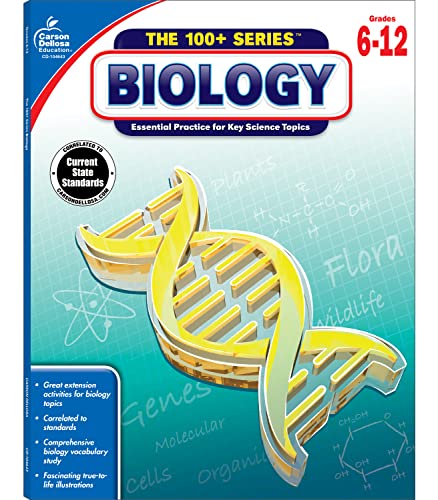
Designed for grades 6–12, this biology workbook offers extension activities, standard correlations, and comprehensive vocabulary study. It supports core biology topics that underpin forensic biology concepts, such as genetics, cellular processes, and laboratory terminology, useful for high school forensic labs or science classes seeking deeper understanding of biological foundations.
Illustrated Guide to Home Chemistry Experiments

Robert Bruce Thompson presents hands-on chemistry experiments with illustrated, step-by-step guidance. This DIY science resource emphasizes experimentation and practical understanding of chemical reactions, measurement, and safety. It serves as a valuable companion for high school students seeking real-world chemistry experiences to support forensic science investigations and lab-based learning.
Mark Twain Grades 5-8 General Science Workbook

This workbook supports NSE standards and covers physical, earth, space, and life sciences. It provides extra practice aligned with middle-to-high school curricula, helping students consolidate skills essential for forensic science coursework, such as data interpretation, model building, and applying scientific reasoning across topics.
Spectrum 8th Grade Science Workbook

Spectrum’s eighth-grade workbook emphasizes current state standards and science literacy. It covers natural, earth, and life sciences with a mix of facts, activities, and research-based tasks. This resource helps students build a strong science foundation that supports forensic topics such as evidence evaluation, experimental design, and analytic reasoning.
Buying Guide: Forensic-Oriented High School Reading and Lab Resources
- Curriculum alignment: Look for standards alignment (NGSS or state standards) to ensure compatibility with high school science requirements and forensic topics such as biology, chemistry, and laboratory techniques.
- Hands-on labs: Prioritize books offering experiments, lab activities, and data interpretation to develop practical skills essential for forensic work, such as evidence analysis, chemical testing, and graphing results.
- Flexibility: Choose resources that accommodate both classroom use and homeschooling, with clear step-by-step instructions and adaptable lesson plans for different learning paces.
- Critical thinking emphasis: Seek materials that present multiple plausible outcomes or ambiguous evidence scenarios to sharpen reasoning and argumentation skills.
- Supplemental materials: Consider companion guides, answer keys, and vocabulary sheets to reinforce terminology and safety practices in lab settings.
- Safety and ethics: Ensure content includes laboratory safety guidance and a discussion of ethical considerations in forensic science and data interpretation.
- Difficulty progression: For high school students, select a mix of foundational and advanced topics to build a cohesive learning path—from general science concepts to specialized forensic techniques.
- Digital accessibility: Evaluate whether digital resources or online companion content are available for additional practice and remote learning scenarios.