Parents and educators increasingly turn to children’s books to help kindergartners recognize, name, and manage their feelings. The titles below focus on emotions, empathy, and positive coping strategies, offering engaging characters, colorful illustrations, and simple actions kids can choose when faced with different moods. Each item supports social-emotional learning (SEL) in classroom corners, at home, or in therapy settings, helping preschoolers and kindergartners build emotional vocabulary and self-regulation skills.
| Product | Brand | Focus | Format |
|---|---|---|---|
| Torlam Feelings and Emotions Flipbook | Torlam | 20 moods; scene analysis; emotional regulation | Flipbook |
| The Original Mood Flipbook for Kids: Monster Flipbook | My Moods, My Choices | 20 moods; positive actions; laminated pages | Laminate Flipbook |
| Feelings Family Core Emotions Book Set | hand2mind | Core emotions; storytelling; family learning | Set of 5 Books |
| Express Your Feelings Journal | hand2mind | Feelings prompts; feelings wheel; reflection | Journal |
| The Day the Crayons Quit | Philomel Books | Humor; emotions of objects; problem-solving | Picture Book |
Below are five curated titles designed for kindergarten classrooms and home learning spaces, each with a distinct angle on recognizing emotions, discussing them with peers or family, and choosing positive next steps.
Torlam Feelings and Emotions Flipbook

The Torlam flipbook presents 20 distinct feelings, including tired, silly, nervous, and proud, with corresponding positive actions kids can take. Ten different scenes invite children to analyze character emotions, observe facial expressions, and describe how they feel. This tool supports emotional regulation by linking moods to practical strategies, helping children connect thoughts, feelings, and behaviors in a playful format suitable for preschool and kindergarten classrooms.
The Original Mood Flipbook for Kids: Monster Flipbook
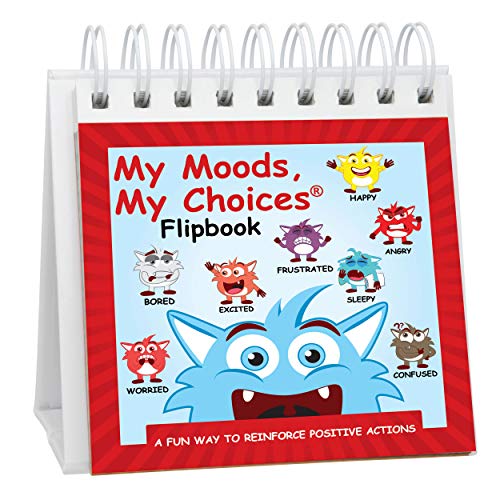
This updated mood flipbook features 20 moods with engaging monster-themed illustrations. Laminated pages ensure durability in classroom corners or travel kits, and a built-in stand helps display the flip pages during group discussions. Children flip to the current mood and read about positive choices to address that feeling. The design supports SEL objectives by normalizing a range of emotions and promoting proactive coping strategies.
Feelings Family Core Emotions Book Set

This set of five books uses storytelling to explore core emotions from multiple angles, helping children understand how feelings surface in daily life. Each title focuses on a specific emotion—Happy, Sad, Angry, Scared, Surprised—through relatable characters and scenarios. The collection encourages emotional recognition, empathy, and discussion within families and classrooms, reinforcing social-emotional understanding across diverse contexts.
Express Your Feelings Journal

This journal offers prompts to help children identify feelings and reflect on how their mood relates to actions. A feelings wheel introduces 20 common emotions, spanning comfortable to uncomfortable, supporting nuanced emotional vocabularies. The integration of SEL activities encourages kids to select possible actions and articulate the reasons behind their feelings, fostering mindful self-regulation and expressive literacy in a supportive format.
The Day the Crayons Quit
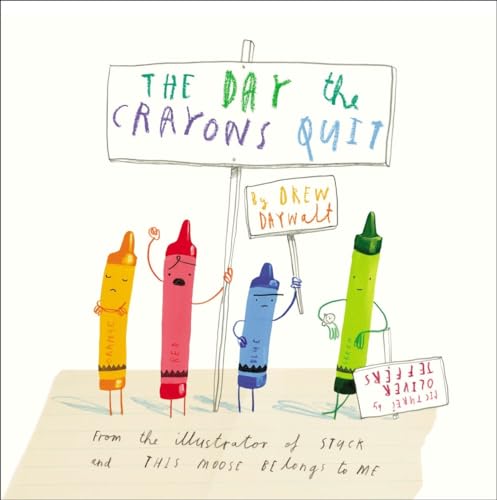
A humorous narrative where crayons express feelings about their roles, this title blends humor with emotional insight. By personifying objects, it helps kids discuss feelings of frustration, needs, and collaboration. The story prompts problem-solving and cooperative dialogue, supporting kindergarten readers in recognizing emotions within a social context and learning how to negotiate solutions with peers or caregivers.
Buying Guide: Key Purchase Considerations
- Age and development fit: Ensure the book’s emotion range and complexity align with kindergarten-level understanding and attention spans.
- Format and durability: Laminated flipbooks or sturdy picture books work well for classroom corners and travel, minimizing wear from frequent handling.
- Role of visuals: Bright illustrations and relatable characters help children connect with emotions more quickly than text alone.
- Active learning features: Look for prompts, actions, or questions that encourage discussion and practice of regulation techniques.
- SEL alignment: Choose titles that cover a spectrum of emotions, offer coping strategies, and support family or classroom routines for emotional literacy.
- Accessibility: Consider bilingual or simple-language versions if needed to support diverse learners and non-native English speakers.
- Durability in group settings: Books and flipbooks should withstand frequent handling in a calm-down corner or small-group activities.
- Complementary tools: Pair books with prompts, feelings wheels, or reflection journals to reinforce ongoing SEL practice.
- Inclusion and empathy: Select stories that feature diverse characters and scenarios to broaden perspectives and reduce stigma around emotions.
- Practical integration: Plan short, daily read-alouds or station-based activities that tie emotions to specific, age-appropriate coping actions.