Discover top toddler-friendly books that introduce feelings, moods, and emotional awareness in a calm, engaging way. This guide narrows five popular options into a concise buyer’s resource, highlighting how each title supports early social-emotional development through stories, visuals, and interactive elements.
Summary of chosen products
| Product | Brand | Key Benefit |
|---|---|---|
| Calm-Down Time (Toddler Tools Board Books) | Free Spirit Publishing | Short, accessible tools for calming moments |
| Torlam Feelings and Emotions Flipbook | Torlam | 20 moods with scene context for discussion |
| Feelings Family Core Emotions Book Set | hand2mind | Multiple core emotions through a connected story arc |
| The Original Mood Flipbook for Kids | My Moods, My Choices | 20 moods with positive-action guidance |
| Cali’s Books Bad Day, Good Day | Cali’s Books | Interactive sound book exploring feelings |
Calm-Down Time (Toddler Tools Board Books)

The Calm-Down Time board book offers simple, approachable strategies for toddlers to manage emotions. Published by Free Spirit Publishing, it is designed as a durable, good-condition used option that introduces basic calming techniques in short, easy-to-navigate sections. This title is suitable for caregivers seeking a concise, low-key entry point into emotional regulation with very young children.
Key features emphasize practical steps that a caregiver or teacher can model during moments of frustration or overwhelm. While compact, the book supports meaningful dialogue about feelings and provides concrete phrases children can imitate. The format aligns well with early childhood routines, such as nap time, transition periods, or after a challenging activity, making it a reliable classroom or home reference.
Torlam Feelings and Emotions Flipbook

The Torlam flipbook uses 20 distinct moods and 10 scenes to help toddlers identify expressions and reflect on appropriate responses. This social-emotional learning tool is designed to be interactive, allowing children to flip to a mood and discuss possible positive actions. The companion scenes encourage observational skills and conversations about empathy, making it a versatile classroom or home learning resource.
Designed to support emotional labeling and regulation, this flip chart fosters conversation around how thoughts connect to feelings and behaviors. Parents and teachers can guide children through matching moods with simple coping strategies, which can support self-awareness from an early age.
Feelings Family Core Emotions Book Set

This five-book set from hand2mind explores core emotions through linked narratives that emphasize social-emotional understanding. Each volume centers on a single emotion—such as happiness, sadness, or anger—within engaging stories and approachable language. The kit lends itself to a guided daily routine, with opportunities for role-play, discussion, and reflective activities that help children recognize and label feelings in themselves and others.
As a classroom staple or home learning suite, the set supports a progressive learning arc. By grounding each emotion in relatable situations, it helps children connect internal experiences to observable behaviors, facilitating early emotional literacy and cooperative skills among peers.
The Original Mood Flipbook for Kids
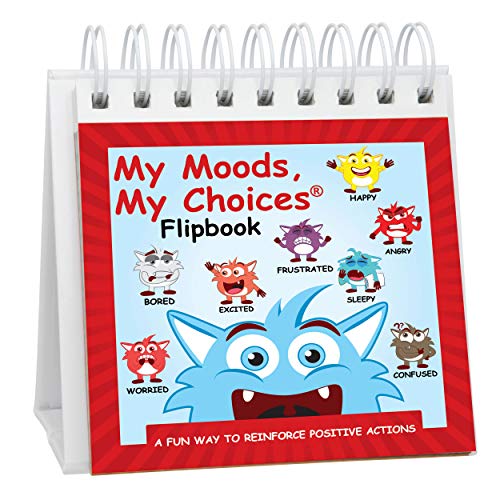
The Mood Flipbook offers a laminated, portable solution for identifying 20 moods and choosing positive actions. With multiple sizes and a built-in stand, it supports both classroom use and at-home practice. The updated design provides clearer imagery and practical action steps, helping children translate feelings into constructive responses during transitions, social interactions, and self-regulation exercises.
Its large and travel-sized formats accommodate different settings, from circle time to car rides. The flipbook’s durable materials make it suitable for repeated use, making it a dependable tool in a toddler’s emotional development toolkit.
Cali’s Books Bad Day, Good Day

Cali’s Books presents an interactive, ergonomically designed sound book that guides toddlers through a range of emotional experiences. With a button on each page, children can engage in cause-and-effect learning while hearing songs or lyrics that reinforce vocabulary related to feelings. A portion of proceeds supports charitable efforts, adding a charitable learning dimension to the experience.
The format helps toddlers recognize and name emotions as they encounter diverse scenarios. The musical component supports auditory learning and memory, contributing to early literacy goals by linking words with sounds and actions. This title works well for one-on-one read-alouds or small group settings, where adults can model labeling and coping strategies.
Buying Guide: Key Considerations for Choosing Feelings Books for Toddlers
- Developmental fit: Look for age-appropriate language and visuals that reflect the child’s lived experiences. Books should simplify complex emotions into approachable concepts like happy, sad, and calm.
- Interactivity level: Decide whether you want static stories, flip books, or sound-enabled formats. Interactive elements can boost engagement, memory, and practice with regulation skills.
- Ease of use: Durable formats (board books, laminated pages) withstand early handling. Consider size and weight for portability during car rides or classroom transitions.
- Guided learning: Choose titles that provide explicit, age-appropriate suggestions for coping strategies and positive actions tied to each emotion.
- Multi-lesson potential: Sets that cover multiple core emotions offer a cohesive learning journey, while single-emotion titles support targeted discussions on one feeling at a time.
- Accessibility and inclusivity: Look for diverse characters and scenarios that reflect a range of backgrounds, ensuring all toddlers see themselves represented.
- Parental and educator resources: Some books include discussion prompts, activity ideas, or teacher tips to extend learning beyond the pages.
- Reusability: Consider whether the book’s format allows repeated read-alouds with fresh discussion each time to reinforce emotional labeling and regulation.
In selecting the best feelings books for toddlers, weigh how each title supports recognizing emotions, labeling them accurately, and practicing constructive responses. A well-chosen mix—ranging from simple, calming tools to expressive flipbooks—can build a solid foundation for lifelong emotional literacy.