Finding the right books to help kindergarteners understand emotions can support social-emotional growth in classroom and home settings. The following five titles offer interactive flip pages, engaging stories, and practical tools for identifying feelings and choosing positive actions. This article highlights each book’s approach, what makes it suitable for early learners, and how they compare as a core part of a calm-down or SEL toolkit.
| Product | Brand |
|---|---|
| Torlam Feelings And Emotions Flip Book | Torlam |
| Maitys Feelings And Emotions Flip Book | Maitys |
| The Day The Crayons Quit | Philomel Books |
| The Original Mood Flipbook | My Moods, My Choices |
| Hand2mind Feelings Family Core Emotions Book Set | hand2mind |
Torlam Feelings And Emotions Flip Book

The Torlam Feelings And Emotions Flip Book presents twenty mood options, including tired, silly, shy, happy, nervous, and angry. Children can flip to the character that reflects their current mood and learn positive actions that follow. Ten scenes offer opportunities to analyze emotion in context, helping kids identify facial expressions and social cues. This tool supports emotional regulation by linking thoughts, feelings, and behaviors in a friendly, classroom-friendly format.
Maitys Feelings And Emotions Flip Book

The Maitys flip book emphasizes social-emotional learning with vibrant, kid-friendly illustrations and laminated tabs for easy flipping. Its compact size makes it portable for car rides, backpacks, or a calm-down corner. Pages guide children to identify their mood and respond with positive actions, while the stand-up design supports easy display on desks or tables. This book supports emotional regulation and social skills through interactive storytelling and visual cues.
The Day The Crayons Quit
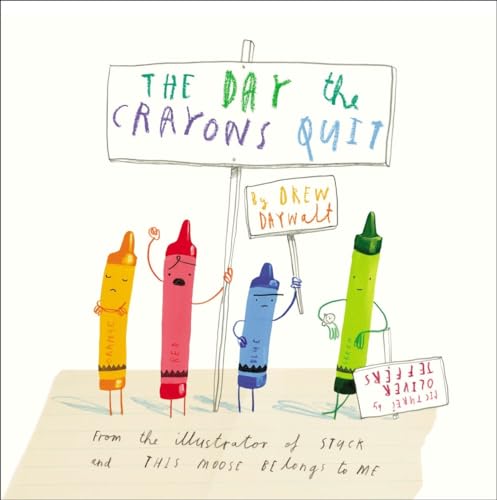
In this humorous back-to-school story, Duncan’s crayons quit coloring, offering a playful look at feelings from the perspective of art supplies. The book explores emotions such as frustration and pride by presenting the crayons’ perspectives and then guiding children toward collaborative problem-solving. This option is ideal for group read-alouds and reinforcing empathy and communication around emotions tied to everyday tasks like coloring and school projects.
The Original Mood Flipbook
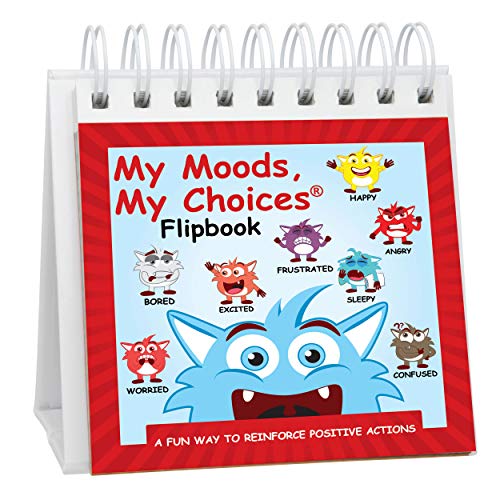
The Original Mood Flipbook offers twenty moods and a revised design with new images and actions. Laminated pages and a built-in stand facilitate durable, repeatable use in classrooms or homes. Its large 9 x 9-inch format (with travel options) supports easy flipping and visibility, helping children quickly identify negative, neutral, and positive emotions, then select constructive responses. It serves as a practical, repeatable reference for daily emotional regulation.
Hand2mind Feelings Family Core Emotions Book Set

This five-book set uses storytelling to explore core emotions—Happy, Sad, Angry, Scared, and Surprised—within family-friendly narratives. The collection supports calming strategies and social-emotional understanding through character-driven experiences. It is well-suited for classroom calm-down corners and family reading routines, encouraging children to observe emotions, articulate feelings, and practice appropriate responses in daily life.
Buying Guide: Key Purchase Considerations And Comparisons
- Age appropriateness and readability: Look for flip-book formats or simple narratives with clear emotion cues. Boards or laminated pages increase durability for frequent use by young children.
- Emotional scope: Choose sets or books that cover a broad range of feelings (happy, sad, angry, anxious, excited) to build a robust emotional vocabulary.
- Interactivity: Flip mechanics, stand-up designs, and visually engaging illustrations boost engagement and retention, especially for kinesthetic learners.
- Classroom vs. home use: Consider the setting. Classroom tools may prioritize durability and display options, while home tools may focus on portability and independent use.
- Support for regulation strategies: Books that pair emotions with positive actions (breathing, counting, asking for help) support practical skill-building.
- Format variety: A mix of stories and flipbooks can accommodate different attention spans and learning styles, providing both narrative context and hands-on exploration.
- Inclusivity and accuracy: Seek titles that present emotions in relatable scenarios and avoid stereotyping, ensuring accessibility for diverse learners, including those with ADHD or autism.
In selecting a set for kindergarteners, educators and parents may prioritize a blend of visual appeal, durability, and actionable strategies. A comprehensive approach might combine a couple of narrative stories with flipbook tools to reinforce daily emotional regulation through consistent cues and prompts. Reviewing the included features, dimensions, and display options helps align the chosen titles with classroom routines, SEL goals, and family reading time.