Finding the right early readers can help kindergartners build confidence and enjoy the process of learning to read. The following selections are designed for beginning readers, offering clear print, simple sentences, and engaging visuals to support early literacy skills. This guide highlights five popular classroom and home-reading sets that align with common guided-reading levels and introduce essential sight words, phonemic awareness, and reading stamina.
Summary of chosen products:
| Product | Brand | Focus |
|---|---|---|
| First Little Readers Parent Pack: Guided Reading Level B | Scholastic | Beginner readers, 25 books, level B |
| First Little Readers Parent Pack: Guided Reading Level C | Scholastic Teaching Resources | Early readers, 25 books, level C |
| Childrens Learn to Read Books Lot 60 – First Grade Set | Scholastic | 60 beginner-booklets with strategies |
| LOT 60 Books Leveled Easy Readers Beginning Reading Preschool Kindergarten | Artist Unknown | 60 level A–D readers, preschool to kindergarten |
First Little Readers Parent Pack: Level B

This product bundles 25 guided-reading books at level B, designed for beginning readers who are transitioning from picture books to simple sentence structures. The collection emphasizes decodable text, repetition, and predictable patterns to reinforce early fluency. Readers are organized to support incremental skill-building, with short, engaging stories that align with common early-grade reading goals. The compact format and varied topics can help maintain student interest while reinforcing phonics and word recognition.
With this pack, educators and parents can establish a consistent reading routine, promote independent reading time, and track progress across short, level-appropriate passages. The books are ideal for small-group instruction or at-home practice, giving early readers a sense of accomplishment as they complete each title.
First Little Readers Level C: 25 Irresistible Books

Level C expands on early reading foundations with slightly longer sentences and more diverse vocabulary while maintaining high-interest topics and clear print. This Scholastic resource includes a helpful parent guide and classroom-ready materials, making it a strong choice for guided reading sessions. The set aims to balance word-level practice with meaningful context, supporting children as they move toward more complex sentences and story comprehension.
Educational value includes structured reading supports, a practical approach for parents and teachers, and cost-effective access to a broad selection of level-appropriate titles. This pack can help bridges the gap between beginner texts and more advanced early readers, sustaining motivation through varied narratives and characters.
Childrens Learn to Read Books Lot 60
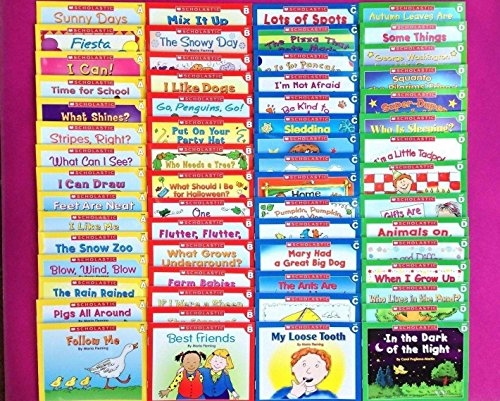
This collection assembles 60 stapled readers designed for first-graders and younger learners who are developing foundational reading skills. The books span levels A to D and include reading strategies to help students decode text and recognize common sight words. The compact, stapled format is user-friendly for small hands and classroom distribution. Teachers can group titles by level to tailor instruction to individual reading capabilities while offering a broad range of topics to maintain curiosity.
Designed with input from reading specialists, the set emphasizes print-focus and structured progression. It can support independent reading, teacher-led small groups, and parent-led practice at home, providing a versatile base for early literacy drills and motivation boosters.
LOT 60 Books Leveled Easy Readers For PreK–Kindergarten

This set is positioned for PreK through Kindergarten learners, featuring 60 level A–D readers in small formats that ease page turning for young readers. The black-and-white print design helps learners focus on print rather than illustrations, which can reinforce word recognition and print awareness. By offering a range of difficulty within a single bundle, this collection supports gradual progression, allowing students to advance from simple phrasing to more complex sentences as confidence grows.
Educators and parents can use this pack to structure a balanced literacy program, pairing easier titles with more challenging ones to carefully monitor growth. The consistent, manageable format supports daily practice and steady improvement in foundational reading skills.
Buying Guide
Key considerations when selecting easy-reading materials for kindergartners include reading level alignment, content relevance, and format that supports early fluency. Consider the following perspectives to optimize outcomes:
- Reading level alignment: Choose sets that clearly designate guided reading levels (e.g., Level B or C) to ensure the text complexity matches a child’s current abilities. A progression across levels helps track growth and prevent frustration.
- Text features: Look for decodable words and repetitive sentence patterns that reinforce phonics, word families, and sight-word recognition. Predictable text supports confidence and independent reading attempts.
- Engagement and relevance: Topics should appeal to young readers and reflect diverse experiences. Vivid, age-appropriate illustrations can bolster comprehension and motivation without overwhelming print.
- Format and durability: For classroom use, consider sets with sturdy pages, compact pages, and a layout that’s easy for little hands to manage. Stapled or bound formats work well for daily reading stations.
- Progress tracking tools: Some bundles include parent guides or teacher guides with tips and activities. These resources help caregivers implement effective practice routines and monitor improvement over time.
- Home and classroom versatility: Materials that support both at-home practice and classroom instruction offer flexibility for differing schedules and learning environments.
- Supplementary activities: Choose sets that pair with reading strategies such as picture cues, word walls, and guided repetition to reinforce decoding and comprehension skills outside the reading session.
Comparisons and considerations
When comparing the five selections, consider the balance between breadth of titles and the depth of each title. The Level B and Level C packs provide a concentrated library with guided-reading structure, ideal for steady progression. The 60-book Level A–D collections offer greater variety and a built-in scaffold for applying reading strategies across multiple levels. For home use, bundles with explicit parent guides or teacher resources may yield more consistent practice and clearer progress milestones. Durability and page design are important for kindergartners who handle books with enthusiasm but need robust materials to withstand daily use.
Closing notes on best uses
Educators can leverage these reading sets to create small-group sessions, while parents can support nightly reading routines that reinforce classroom skills. Rotating titles by level can help prevent boredom and encourage steady improvement. The chosen selections emphasize accessible text, engaging visuals, and practical guidance to support early literacy development in kindergartners without overwhelming new readers.