Choosing the right decoding books helps kindergartners build essential reading skills, from letter sounds to blending to simple sight words. The listed titles blend phonics practice with engaging activities to keep young learners motivated. Below is a curated set of five beginner-friendly decoding books and workbooks designed for parents and teachers seeking practical, print-friendly tools for early literacy at home or in the classroom.
Summary of Selected Products
| Product | Brand | Key Focus |
|---|---|---|
| Bob Books Set 1 | Scholastic | Starting to Read; phonics-based beginning reader |
| 60 Easy Readers Set | Artist Unknown | Leveled A–D readers; small format for little hands |
| Tracing And Letter Practice | Momo & Nashi | Letter tracing; handwriting readiness; dry-erase included |
| Phonics For Kindergarten Workbook | Carson Dellosa Education | Phonics, sight words, early language arts |
| Thinking Skills Preschool Workbook | School Zone | Problem-solving and logic; foundational thinking |
Bob Books Set 1: Beginning Readers

Product Overview: A classic phonics-based starter, Bob Books Set 1 focuses on simple, decodable sentences and short-vowel words to help young readers practice blending sounds. The packaging is designed for organized classroom or home libraries, and the text is easy to read for emerging readers. This set reinforces essential decoding sequences while keeping pages uncluttered to minimize distractions.
Why It Works: The progression from single-letter sounds to simple CVC words supports gradual skill-building. The format is friendly for guided reading sessions and independent practice in small group or one-on-one settings. Ideal for Kindergarten and early first-grade readers who are just learning to blend and decode.
60 Leveled Easy Readers for Early Readers

Product Overview: This large set offers Level A through D readers tailored for PreK through 1st grade. Books are compact for little hands, with a focus on basic decodable text and limited illustrations to keep attention on print. The collection supports progressive decoding skills and helps teachers and parents create a structured early reading program.
Why It Works: Multiple levels encourage a gradual step-up in difficulty, aligning with typical kindergarten fluency targets. The smaller book size helps children handle pages confidently, supporting independence and repeated practice without overwhelming visuals.
Tracing Books For Kids: Letters And Handwriting

Product Overview: A comprehensive tracing workbook set designed for ages 3–5, with dry-erase markers and a sturdy storage box. It emphasizes letter tracing, shapes, lines, and early numbers, supporting fine motor skills and handwriting readiness. The included materials enable repeated practice without extra tools required.
Why It Works: The dry-erase feature makes it ideal for ongoing handwriting practice, reducing sticker or paper waste while providing immediate feedback. This set supports homeschool, classroom centers, and structured handwriting warm-ups before formal writing tasks.
Phonics For Kindergarten Workbook
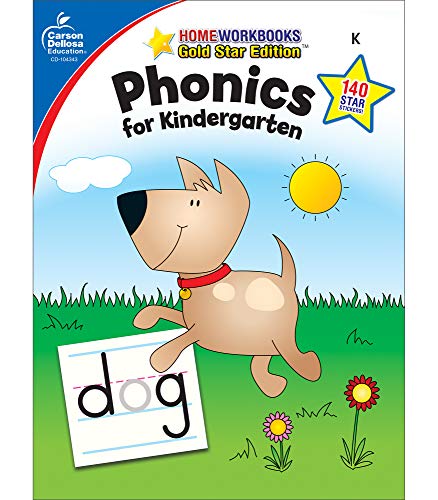
Product Overview: A workbook focused on phonics, sight words, and short vowel sounds through interactive games and puzzles. It blends language arts with early-moneys of classroom standards and includes an incentive chart and stickers for motivation.
Why It Works: The combination of phonics practice and engaging activities supports early decoding, listening comprehension, and word recognition. Suitable for both classroom use and home reinforcement, with a kid-friendly workbook design that encourages ongoing practice.
Thinking Skills Workbook For Preschoolers

Product Overview: A 64-page workbook designed to boost preschoolers’ problem-solving and logic. This resource emphasizes critical thinking, sequencing, and early reasoning skills that complement decoding instruction by fostering mental flexibility and visibility of patterns in print.
Why It Works: Early thinking skills support reading readiness by reinforcing how letters and words relate to meaning. Integrated activities help children apply decoding strategies in more complex tasks and daily learning routines.
Buying Guide: Key Purchase Considerations For Kindergarten Decoding Books
- Skill progression: Look for a logical sequence from phonemic awareness to blending and then to sight word recognition. Books that start with single-letter sounds and gradually introduce blending tend to build confidence and competence in decoding.
- Format and accessibility: Choose age-appropriate sizes with clear print, sufficient white space, and minimal distractions. Small-format readers can aid page-turning, while larger worksheets may support guided practice.
- Durability and reuse: Dry-erase options or laminated pages enable repeated practice, making them cost-effective for families and classrooms. Consider included markers and storage solutions when evaluating bundles.
- Engagement and motivation: Interactive elements such as stickers, puzzles, and incentives support sustained effort. Balance between decodable text and engaging illustrations helps maintain focus on reading tasks.
- Home and classroom compatibility: Select resources that suit both independent practice and guided instruction. For homeschooling, bundles that foster daily routines are valuable; for classrooms, consider sets with multiple copy options and clear structure.
- Accessibility considerations: For diverse learners, include titles with pronounced decodable patterns and visuals that support print literacy without overwhelming the reader. Some sets offer large-print options or reduced text density for easier processing.
- STEM and cross-curricular links: Some decoding books integrate math-related activities or logical thinking tasks, reinforcing broader literacy while building confidence in new content areas.
- Recommendation balance: Use a mix of decodable readers (focus on sounds) and activity-based workbooks (focus on handwriting and thinking skills) to create a well-rounded early literacy toolkit.
Note: This article presents a factual overview of available products based on their listed features. Prices and availability can vary by retailer and over time.