Choosing the right decoding resources can help first graders develop strong phonemic awareness, decoding fluency, and confident reading. This article highlights five well-regarded titles that support foundational literacy—covering phonics, word study, and reading comprehension. Each entry includes key features to help parents and teachers select materials aligned with early-grade learning goals. A concise buying guide follows to help compare formats, skill focus, and age-appropriateness for diverse learners.
| Product | Focus | Pages | Best For |
|---|---|---|---|
| Evan-Moor Daily Phonics, Grade 1 | Phonemic Awareness & Decoding | 208 | Homeschoolers & Classrooms |
| School Zone Big First Grade Workbook | Phonics, Reading Skills, Spelling | 320 | Foundational Literacy Practice |
| School Zone Addition & Subtraction Workbook | Math & Math-Related Reading Skills | 64 | Early Math Fluency |
| Scholastic First Grade Reading Set | Early Reading & Strategies | 60 readers | Balanced Literacy Library |
| Bob Books Set 1 | Phonics & Beginning Reading | Box set | Starting Readers |
Product Highlights At A Glance
The five products below were selected for their relevance to early decoding goals in first grade. They cover systematic phonics instruction, decodable readers, and practical activities that reinforce sound-letter relationships in daily practice.
Evan-Moor Daily Phonics, Grade 1

Evan-Moor Daily Phonics for Grade 1 provides a comprehensive set of reproducible worksheets that reinforce phonemic awareness and decoding skills. The workbook emphasizes daily practice with engaging activities that help students connect sounds to letters, build word families, and improve fluency. With 208 pages, the material supports both homeschool settings and classroom use. The included content is designed to accommodate diverse learners, including students who are learning English as a second language, offering structured practice across a full academic year.
School Zone Big First Grade Workbook

This 320-page workbook assembles a broad first-grade curriculum into one volume. It covers phonics, reading skills, spelling, vocabulary, and basic math with time and money concepts. Color-coded sections help young readers and writers navigate the material, and quick-reference notes at page bottoms support independent work. The breadth of activities makes it suitable for reinforcing skills at home or in small-group settings, helping students transfer decoding progress into age-appropriate reading comprehension.
School Zone Addition & Subtraction Workbook

This 64-page workbook targets early math and supports literacy through word problems that require decoding skills. While focused on arithmetic, it includes activities that reinforce place value and number sense in an age-appropriate way. The workbook is part of the I Know It! series and is available in multiple age groups, allowing teachers and parents to choose materials that align with a child’s current math and reading readiness, thus promoting a blended approach to literacy and numeracy.
Scholastic First Grade Reading Set
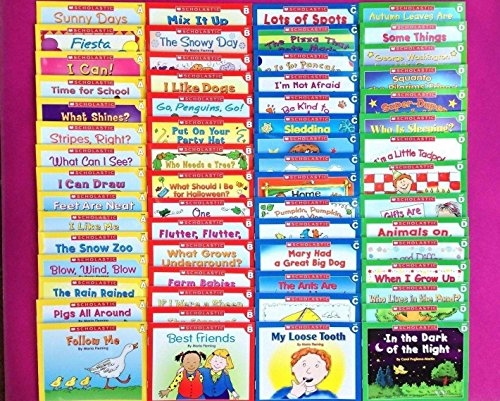
This set includes 60 staple readers designed to support early decoding and reading strategies. Each 8-page reader is black and white to draw attention to the text and is strategically designed by reading specialists to maximize engagement. The collection targets level-appropriate content and gradually introduces more complex sentences and vocabulary, helping students apply decoding skills in real reading contexts and build reading stamina across topics and genres.
Bob Books Set 1: Beginning Readers

Bob Books Set 1 presents a gentle, stepwise approach to starting readers, using simple phonics patterns and decodable words. The packaging is practical for classroom storage and at-home use, and the text is designed to be easy to read for beginning readers who are building confidence with phonics. This starter set offers a solid foundation for daily decoding practice, with short sequences that gradually increase in complexity to support gradual mastery.
Buying Guide: Key Considerations For Decoding Materials
When selecting decoding resources for first grade, consider the following perspectives to ensure a good fit for learners with varied needs.
- Phonics Scope And Sequence: Look for materials that align with common first-grade phonics progressions—short vowels, consonant blends, digraphs, and basic word families. Check whether the activities progress logically and consistently.
- Practice Formats: Reproducible worksheets, decodable readers, and interactive activities each support different learning styles. A mix of workbook pages and decodable texts helps transfer decoding skills to reading fluency.
- Reading Leveling: Choose sets that provide gradual difficulty. Beginning readers benefit from high-frequency decodables that reinforce sounds, followed by leveled stories that apply those skills.
- Language Support: For students learning English, features that explicitly address sentence structure, pronunciation support, and visual cues can enhance comprehension and phonemic awareness.
- Durability And Usability: Consider page count, binding, and layout. Laminated covers or sturdy bindings are helpful for classroom use or daily home practice.
- Teacher And Parent Resources: Reproducible sheets, answer keys, and guidance notes can reduce planning time and ensure consistent instruction across settings.
- Supplemental Math And Literacy Connections: Some materials blend literacy with basic math or comprehension strategies, which can reinforce decoding in context and support cross-curricular learning.
- Cost And Access: Evaluate whether a single-volume workbook, a boxed set, or a large reader collection best fits your budget and usage pattern, including potential reuse across multiple students.