Choosing the right CVC (consonant-vowel-consonant) books and tools helps kindergartners build essential early reading skills. The following five products are selected for their engaging activities, phonics focus, and classroom or homeschool suitability. Each item emphasizes decoding, blending, and sight-word practice in a kid-friendly way. Explore the options below to find the best fit for your child’s learning style and goals.
| Product | Focus | Why It Stands Out |
|---|---|---|
| Gojmzo CVC Word Writing & Spelling Flash Cards | Word building, phonics | 100 flashcards with visuals and dry-erase markers for repetitive practice. |
| hand2mind Guided Phonics + Beyond Decodable Books Unit 2 | Guided phonics, decodable readers | Structured reading units designed to apply phonics skills before viewing pictures. |
| Airbition Phonics Talking Flash Cards | Phonics blends, digraphs, long vowels | Audio-enabled cards to reinforce pronunciation and decoding. |
| Gojmzo Wooden CVC Word Spelling Games | Hands-on spelling, wooden blocks | Wooden blocks and boards support tactile CVC word building. |
| 40 Read and Rhyme Flip Books (Edulok) | Word families, word-building games | 40 flip books with varied phonics patterns for comprehensive practice. |
Gojmzo CVC Word Writing & Spelling Flash Cards

The Gojmzo CVC Word Writing & Spelling Flash Cards set includes 100 double-sided cards featuring a word on one side and a corresponding picture on the other. The kit also includes four dry-erase markers (two blue, two red) with erasers on top, a drawstring bag, and a sturdy storage box. Cards feature missing vowels or missing beginning/end letters to create varied practice, keeping activities engaging across reading, spelling, and phonics tasks. This versatility supports preschoolers and kindergartners as they move from letter sounds to reading cut words. A classroom or homeschool staple for daily CVC practice.
Key features and benefits:
- Two-sided flash cards for word recognition and phonics context
- Flexible activities: missing vowels or missing letters for diverse practice
- Includes dry-erase markers and storage for portability
- Bright visuals to maintain attention and support word decoding
Bob Books Set 1: Beginning Readers Box Set

Bob Books Set 1 offers a classic approach to starting readers with decodable stories and simple, paired phonics instruction. This box set provides a progression from single-letter sounds to simple CVC patterns, helping early readers gain confidence as they blend sounds to form words. It’s designed to be easy to handle for young children and works well in both classroom and home settings. The packaging is labeled for easy organization, supporting consistent practice routines.
Highlights include:
- Structured, progressive decodable readers
- Clear, accessible text suitable for starting readers
- Ideal for independent or guided reading sessions
hand2mind Guided Phonics + Beyond Decodable Books Unit 2

This unit emphasizes active engagement with phonics through decodable readers that prompt students to apply phonics skills before relying on pictures. The program is designed to support teachers and parents by integrating phonemic awareness activities and focus lessons. It aims to reduce guessing while strengthening decoding strategies, which is essential for early readers tackling CVC words and more complex phonics patterns.
Key points:
- Structured phonics readers with 10 fiction and 10 nonfiction stories
- Designed to minimize cueing and reliance on pictures
- Includes focused phoneme awareness activities and lessons
Airbition Phonics Talking Flash Cards
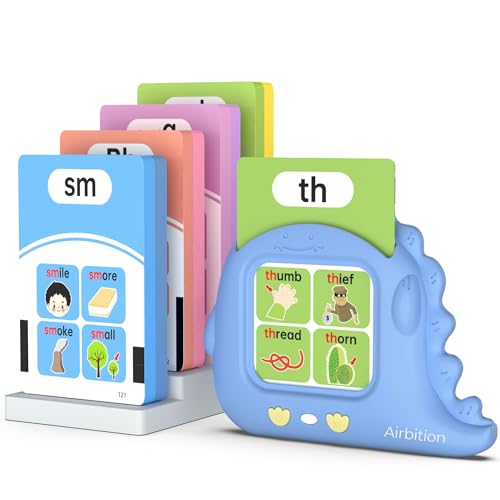
Airbition’s Phonics Talking Flash Cards combine visual cues with audio reinforcement, supporting listening and decoding alongside word recognition. The set covers letters, CVC word blends, digraphs, long vowels, and more advanced patterns like trigraphs and silent letters. Aimed at ages 3–8, these cards are a versatile tool for home learning or small-group instruction, helping children build accurate pronunciation and reading fluency through repeated exposure and audible feedback.
Why this stands out:
- Audio-enabled cards provide multi-sensory reinforcement
- Covers a broad range of Phonics skills from CVC to digraphs and beyond
- Supports independent practice with clear voice and pacing
Gojmzo Wooden CVC Word Spelling Games
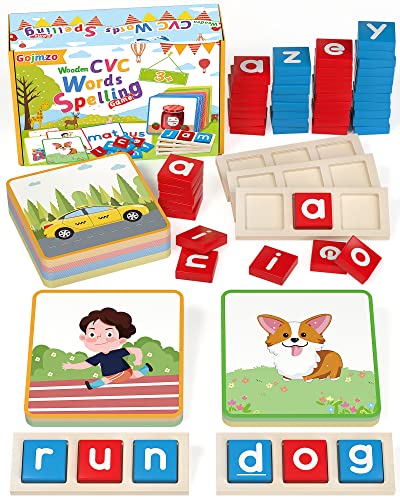
This wooden spelling kit from Gojmzo provides a tactile approach to CVC word practice. The set includes 50 double-sided word cards, 53 wooden lowercase letter blocks, five wooden spelling boards, and a sturdy storage box. The design emphasizes hands-on manipulation to support memory retention and phonemic awareness as children assemble words that match the pictures and experiments with different endings and sounds.
Notable features:
- Solid wooden components for durable, repeated use
- Comprehensive letter blocks set (with vowels highlighted)
- Multiple accessories to support collaborative or solo play
40 Read and Rhyme Flip Books

This Edulok collection uses 40 flip books to teach phonics through word families, CVC words, short and long vowels, digraphs, and more. Each flip book groups words around shared phonics features, helping kids connect sounds to spellings and build fluency via interactive, game-like activities. The format supports both teacher-led and independent practice, making it a flexible option for diverse learning environments.
Key strengths include:
- Extensive coverage of essential phonics patterns
- Bright visuals and consistent structure aid recall
- Encourages hands-on, self-directed learning with instant feedback
Buying Guide: Key Purchase Considerations
When selecting CVC-focused materials for kindergarten, consider the following factors to ensure a good fit for your child, classroom, or homeschool program:
- Learning style alignment: Do children benefit more from hands-on manipulation (wooden blocks, flash cards) or from visual-auditory methods (talking cards, decodable readers)? A mix often works best.
- Age and readiness: Start with simple CVC words and gradually introduce blends, digraphs, and short vowels as decoding skills advance.
- Durability and durability: Reusable items are cost-effective for busy families and classrooms. Wooden sets typically endure daily use well.
- Instructional structure: Look for materials with clear progression, decodable text, and activities that reduce guessing and cueing.
- Engagement and aesthetics: Bright visuals, familiar pictures, and game-like formats maintain attention and motivation.
- Independent vs guided learning: Some resources are ideal for independent practice, while others pair well with teacher or parent guidance.
For best results, combine several formats—flash cards for quick drills, decodable readers for context, and hands-on spelling activities—to create a balanced kindergarten phonics program. Always assess progress and adjust the mix to address emerging strengths and areas needing reinforcement.