Preschoolers light up at pictures, simple captions, and the gentle drama of a caterpillar’s transformation. The following five books and flipbooks offer age-appropriate, engaging introductions to butterflies, blending observation-friendly text with vivid illustrations. Whether a classroom read-aloud or a bedtime browse, these titles support early science curiosity and early literacy skills.
| Product | Brand | Notes |
|---|---|---|
| Caterpillar to Butterfly (National Geographic Kids Explore! Readers, Level 1) | National Geographic Kids | Introductory |
| From Caterpillar to Butterfly (Let’s-Read-and-Find-Out Science 1) | HarperCollins | Classic nonfiction series |
| Fliptomania Caterpillar to Monarch Butterfly Metamorphosis Flipbook | Fliptomania | Interactive flipbook |
| Are You a Butterfly? (Backyard Books) | Kingfisher | Question-driven narrative |
Caterpillar to Butterfly (National Geographic Kids)

The National Geographic Kids Explore! Readers level 1 presents butterflies through simple sentences and bright photos. The content focuses on the life cycle, including caterpillar and chrysalis stages, with accessible vocabulary ideal for preschool readers. The photographic approach helps early readers connect words to real-world images, supporting engagement and retention. This gently informative title suits shared reading in a classroom or library setting, with a focus on observation and curiosity.
From Caterpillar to Butterfly (Let’s-Read-and-Find-Out Science 1)

HarperCollins’ Let’s-Read-and-Find-Out Science 1 delivers a classic nonfiction approach with tactile, hands-on and visual learning elements. The text is intentionally simple, with opportunities for prompting questions about the metamorphosis process, making the book ideal for classroom read-alouds and guided discovery. The acclaimed series is trusted for foundational science concepts, supporting early curiosity about life cycles and nature in preschool settings.
Fliptomania Caterpillar to Monarch Butterfly Metamorphosis
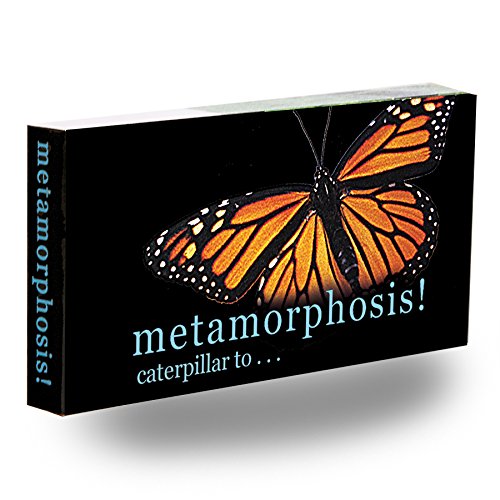
This flipbook by Fliptomania adds an interactive twist to the butterfly journey. By flipping pages, children glimpse the metamorphosis in a compact, thumb-friendly format. The flipbook format turns reading into an active, tactile experience—ideal for short attention spans and hands-on classroom activities. It also positions monarch butterfly metamorphosis as a tangible, memorable sequence for preschool learners.
Are You a Butterfly? (Backyard Books)

Kingfisher’s Are You a Butterfly? invites inquiry through a question-driven narrative, encouraging preschoolers to compare themselves with a butterfly’s life and behavior. The accessible text, paired with engaging illustrations, supports early comprehension and critical thinking. While it leverages a simple structure, the book fosters curiosity about nature and invites readers to observe actual butterfly traits and habits in their environment.
Buying Guide
- Age suitability: All titles target preschool readers with short, simple sentences and vivid images; look for read-aloud-friendly formats with large, clear illustrations.
- Format and interaction: Traditional picture books work well; flipbooks provide an interactive, tactile experience that can aid memory and engagement for some children.
- Content scope: For broad exposure, combine nonfiction (life cycle, habitat) with narrative-driven titles that pose questions and invite exploration.
- Durability and condition: Some listings mention “Used Book in Good Condition”—verify condition if possible, especially for younger learners who may handle books roughly.
- Classroom applicability: Titles with classroom-ready science themes support early STEM concepts and can align with early elementary science standards.
- Visual quality: Bright photos and big illustrations help maintain attention and assist word-to-image association for emergent readers.
- Language support: Consider books that model simple sentence structures and repeat phrases to reinforce vocabulary growth and fluency.
- Activity potential: Choose a mix of factual reads and interactive formats to facilitate discussions, label a butterfly life cycle, or create a simple observation journal.
- Accessibility: If possible, select titles with large print or high-contrast imagery to aid visual processing for diverse learners.