Starting to quilt can be approachable with the right guide. This article highlights beginner-friendly quilting books that cover fundamentals like cutting, piecing, and basic binding, while offering clear projects to build confidence. Each selection includes practical instructions, diagrams, and tips to help new quilters develop essential skills and enjoy steady progress on their first quilts.
| Product | Brand | Format | Why It Helps Beginners |
|---|---|---|---|
| Quilting on the Go: English Paper Piecing Projects You Can Take Anywhere | Potter Crafts | Book | Portable projects and bite-sized instructions for beginners exploring hand-sewing techniques. |
| Creative Publishing First Time Quilting Book | Creative Publishing International | Book | Step-by-step guidance with a clear progression for absolute beginners. |
| Start Quilting With Alex Anderson | C&T Publishing | Book | Structured projects and practical tips from an experienced quilter and educator. |
| Quilts to Warm Today’s Home | LEISURE ARTS | Book | Beginner-friendly patterns with straightforward instructions and design ideas. |
| Fabric Cafe Panel Perfect 3-Yard Quilts | Fabric Cafe | Book | Simple panel-based techniques ideal for new quilters building confidence. |
Quilting On The Go: English Paper Piecing Projects You Can Take Anywhere
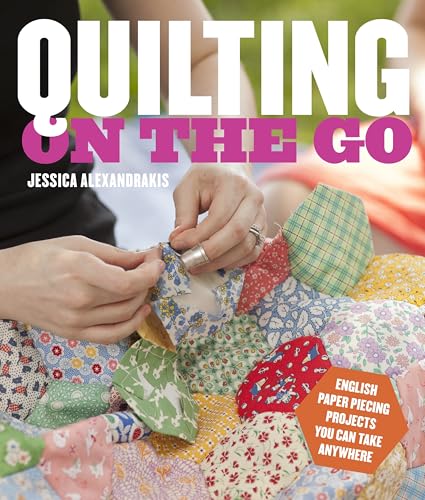
From Potter Craft, this book emphasizes English paper piecing—an accessible hand-sewing technique that travels well and is ideal for beginners who want low-pressure, portable projects. The guidance focuses on fundamentals such as fabric selection, paper templates, and stitch consistency, helping new quilters build accuracy and confidence before tackling larger quilts. Clear project layouts and practical tips support steady skill development as you learn to plan and execute precise pieces.
Sew Me! Sewing Basics: Simple Techniques and Projects for First-Time Sewers
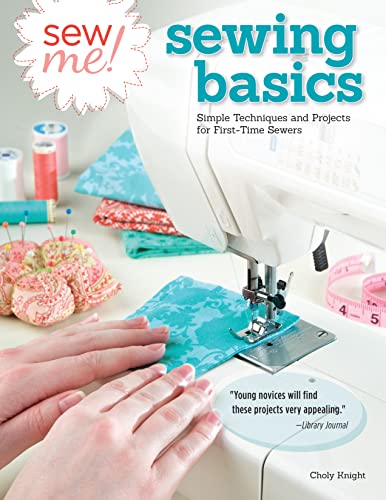
While focused on sewing basics, this beginner-friendly title provides foundational techniques—seams, zippers, and basic finishing—that pair well with quilting journeys. It guides new sewers through simple projects, helping them gain familiarity with tools, measurement, and technique that translate directly to quilting routines and project planning.
Creative Publishing First Time Quilting Book

Created for absolute beginners, this guide offers an arsenal of skills and knowledge to start quilting with confidence. The author’s approach emphasizes fundamentals such as fabric preparation, cutting accuracy, and even basic machine usage where appropriate. The book’s structured progression helps new quilters move from simple blocks to more complex layouts as skills grow.
LEISURE ARTS Dynamic Quilts Designs Made Simple

This Leisure Arts title emphasizes a broad selection of patterns with clear instructions, making it suitable for beginners and returning quilters alike. The book’s emphasis on simple-to-follow steps and a mix of traditional and modern designs helps new quilters discover their preferred style while building essential piecing skills and consistency in stitching.
Fabric Cafe Panel Perfect 3-Yard Quilts

Focusing on panel-based designs, this beginner-friendly guide demonstrates how to highlight fabric panels using simple 1-yard cuts. Clear diagrams and fabric placement suggestions help new quilters create striking quilts with minimal waste, making it an approachable entry point for first-time quilters who enjoy bold fabrics and straightforward assembly.
Start Quilting With Alex Anderson

An accessible guide by C&T Publishing, this book walks beginners through planning, cutting, piecing, quilting, and binding. It includes eight easy, beautiful projects and expands with new tips and shortcuts in later editions. The author’s framing of the process helps novices understand how each step contributes to a finished, cohesive quilt, promoting careful planning and technique development.
Buying Guide
- Project scope and technique: Choose books that align with your preferred methods—hand sewing, machine quilting, or both. For total beginners, titles that cover basics in a logical progression work best.
- Instructions and visuals: Look for clear diagrams, step-by-step photos, and templates. Visual learners often benefit most from well-illustrated guidance.
- Skill progression: Pick guides that introduce small, manageable projects first and gradually increase complexity to build confidence and consistency.
- Project variety: A mix of traditional and modern designs helps you discover your style while expanding fundamental skills.
- Support and updates: Consider newer editions or books by educators with approachable teaching styles, as they tend to include helpful tips and shortcuts.
- Materials and tools alignment: If you’re starting with basic supplies, choose titles that assume minimal equipment and emphasize essential notions like fabric selection, cutting accuracy, and seam allowance.
- Format and readability: For long-term reference, select books with indexed chapters, glossaries, and clear problem-solving guidance (perfection in seams, flipping, and binding).