Finding engaging, age-appropriate books for early readers helps build a lifelong love of reading. The following selections cover classic picture books, early reading staples, and a beloved boxed set, all chosen for their quality storytelling, sturdy production, and appeal to young minds. Each title offers opportunities for shared reading, early literacy skills, and imaginative exploration that families can enjoy together.
| Book | Author / Brand | Why It Stands Out |
|---|---|---|
| The Wonderful Things You Will Be | Random House Books for Young Readers | Celebrates future possibilities with gentle, heartfelt text |
| The Very Hungry Caterpillar | Penguin | Timeless bedtime favorite with simple, engaging counting and imagery |
| Goodnight Moon | HarperCollins | Soothing rhythm and classic scene-setting for bedtime routines |
| The Rainbow Fish | Simon & Schuster | Beautiful illustrations and a gentle story about sharing |
| Dr. Seuss’s Beginner Book Boxed Set Collection | Random House Books for Young Readers | Five beloved beginner books for reading aloud and independent practice |
The Wonderful Things You Will Be

The Wonderful Things You Will Be, published by Random House Books for Young Readers, is a tender celebration of a child’s potential. The book pairs soft, lyrical text with warm, dreamy illustrations that invite grown-ups and children to reflect on hopes for the future. Its packaging is sturdy for little hands and comfortable for storytime, making it a reliable pick for new readers and families seeking meaningful bedtime reading. The gentle message encourages curiosity, resilience, and imagination as children imagine all the wonderful paths they might choose in life.
Key features to note include enduring presentation, durable construction for interactive sessions, and a universal message that resonates across diverse families. The narrative explores kindness, ambition, and the loving support of guardians, making it suitable for conversations about dreams, goals, and self-worth. The book’s structure supports early literacy with accessible vocabulary and rhythmic cadence, helping children recognize patterns in language while staying emotionally engaged through its hopeful tone.
The Very Hungry Caterpillar

The Very Hungry Caterpillar, published by Penguin, is a foundational title for very young readers. The sturdy board book format suits little hands, while the simple, engaging narrative follows a caterpillar’s transformation into a butterfly through playful counting and repetition. This classic offers rich opportunities for early developmental skills, including number recognition, days of the week, and food vocabulary, all presented in a visually engaging and approachable way that keeps children eager to turn pages and anticipate what comes next.
Children benefit from the bright, appealing illustrations and a slow-paced plot that supports concentration and memory. The story’s rhythm and progression help caregivers integrate interactive reading—pointing to the days, counting the foods, and discussing metamorphosis. The enduring appeal of this title lies in its ability to blend a short, simple storyline with meaningful educational content, making it a staple in early literacy routines and a reliable choice for shared storytelling moments.
Goodnight Moon
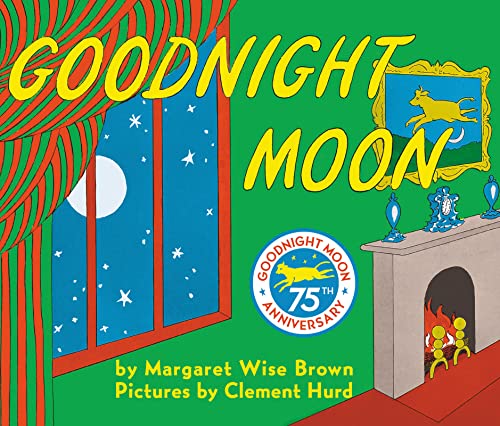
Goodnight Moon, from HarperCollins, is a quintessential bedtime classic. Its gentle, rhyming text and soothing illustrations create a calm, reassuring atmosphere that signals a transition to sleep. The board book edition is durable for toddlers who like to hold and turn pages themselves, while the repeated phrases help reinforce language development and memory. The book’s minimalist layout and soft color palette foster focus and relaxation, supporting bedtime routines and parent-child bonding through a shared, comforting ritual.
As a staple in early childhood libraries, Goodnight Moon also introduces basic concepts such as asking questions, describing colors, and drawing connections between familiar objects and everyday routines. Its enduring charm lies in its simplicity, rhythm, and timeless appeal, making it a dependable pick for homes, classrooms, and libraries seeking a reliable, low-stress read-aloud option.
The Rainbow Fish

The Rainbow Fish, published by Simon & Schuster, captivates with its dazzling, multicolored illustrations and a gentle moral about sharing. The story follows a beautiful fish who learns that generosity can bring happiness to others and himself. The picture-book format is ideal for read-aloud sessions, with rhythmic phrasing that helps developing language skills and predictability for early readers. The narrative encourages empathy, cooperation, and social-emotional learning, offering a simple yet meaningful lesson for young children.
Beyond the text, the book’s vibrant art invites rich discussion about color, perspective, and storytelling. It supports early literacy through repetition and opportunities to identify emotions and social cues. The Rainbow Fish remains a trusted choice for parents and educators seeking a tale that blends art, message, and engagement in a short, accessible package.
Dr. Seuss’s Beginner Book Boxed Set Collection

The Dr. Seuss Beginner Book Boxed Set, from Random House Books for Young Readers, bundles five beloved early readers into a single, accessible package. The collection includes The Cat in the Hat, One Fish Two Fish Red Fish Blue Fish, Green Eggs and Ham, Hop on Pop, and Fox in Socks. Ideal for shared reading, these titles offer playful rhyme, humorous repetition, and memorable characters that help children build confidence in decoding words and recognizing patterns. The boxed set is durable and easy to store, making it a practical long-term addition to a child’s library.
Educational value lies in phonemic awareness, fluency, and oral language development, with opportunities for interactive reading—chanting rhymes, predicting outcomes, and discussing silly situations. The set’s variety also accommodates different reading paces and preferences, supporting both group read-aloud sessions and independent practice as children grow more capable readers. This collection remains a cornerstone for introducing classic American children’s literature to new readers.
Buying Guide
- Age appropriateness: Consider the child’s current reading level and attention span. Picture books suit ages 0–5, while early readers and boxed sets support developing readers 5–8.
- Durability and format: Board books and hardcover editions are best for toddlers who chew or bite and for long-term handling by little hands.
- Illustration style: Bright colors and simple imagery engage early learners, while softer palettes can be comforting for bedtime routines.
- Narrative quality: Look for rhythmic text, repetition, and clear themes that support vocabulary growth and comprehension.
- Language development: Choose books with repetitive phrases and predictable patterns to build confidence in early readers.
- Educational value: Balanced content that fosters literacy skills, empathy, sharing, and resilience tends to have a broader long-term impact.
- Read-aloud versus independent reading: Some titles shine in parent-child reading experiences, while others are designed for independent page-turning as skills progress.
- Series and collections: Boxed sets and series offer continuity and a sense of milestone progression, helping maintain interest over time.
- Print quality and binding: Sturdy paper and well-bound spines reduce wear and tear from frequent handling and reading.
- Accessibility: Consider translations, large-print options, or audio aids if needed to support diverse learning needs.