Whether you’re a new teacher, a homeschooling parent, or supporting a child’s literacy at home, these books offer practical strategies for teaching reading. From phonics-based programs to guided reading approaches, this collection highlights trusted resources used in classrooms and households alike. Explore five top picks, each with clear activities, reproducible materials, and step-by-step guidance to boost early literacy skills.
| Product | Brand | Key Focus |
|---|---|---|
| Teach Your Child to Read in 100 Easy Lessons | Touchstone | Structured lessons for foundational reading |
| Bob Books Set 1: Beginning Readers Box Set | Scholastic | Phonics and early decoding |
| First Little Readers Parent Pack: Guided Reading Level C | Scholastic Teaching Resources | Guided reading for emergent readers |
| 100 Words Kids Need to Read by 1st Grade | Scholastic | Sight words practice and reinforcement |
Teach Your Child to Read in 100 Easy Lessons
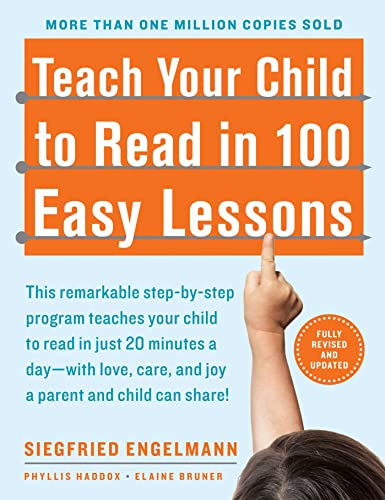
This revised edition provides a structured, step-by-step approach to teaching reading to beginners. The program emphasizes consistent practice with short lessons, visual cues, and repeated phonics patterns to build decoding skills. It is designed for independent or guided daily work and includes simple instructions for parents or teachers. Benefits include a predictable routine and measurable progress as students master the basics of letter sounds and blending.
Teach Your Child to Read in 100 Easy Lessons: Overview
- Structured, easy-to-follow daily lessons
- Builds phonemic awareness and decoding basics
- Suitable for home use or classroom practice
Key considerations include the need for parental guidance, steady pacing, and the alignment with early reading standards. The book emphasizes repetition and practice, which can be especially effective for learners who benefit from routine and direct phonics instruction.
Bob Books Set 1: Beginning Readers Box Set

Bob Books Set 1 offers a gentle introduction to reading with decodable, high-utility text. The simple sentences and repetitive phonics patterns help early readers practice blending sounds and recognizing common sight words. The box set format encourages a sense of accomplishment as new readers complete each book and move forward.
Bob Books Set 1: Beginning Readers Box Set: Overview
- Phonics-focused progression
- Appropriate for ages 4 and up
- Kindergarten-friendly starting point
Considerations include ensuring proper pacing to avoid frustration and pairing with reinforcement activities that build word recognition beyond decodable text. Packaging quality and clear instructional support in the set help both teachers and parents implement effective guided reading sessions.
First Little Readers Parent Pack: Guided Reading Level C

This collection introduces guided reading with Level C texts, offering 25 engaging titles designed for early readers. The parent guide includes tips and strategies to support literacy development at home or in the classroom. The set emphasizes developing fluency, comprehension, and confidence as children encounter slightly longer narratives and more complex sentences.
First Little Readers Parent Pack: Overview
- Guided reading level C for early readers
- Includes a tip-filled parent guide
- Great value for classroom or home use
Key considerations include the need for guided instruction and time for discussion to reinforce comprehension. The pack supports progressive difficulty and can complement phonics-focused activities with richer narrative texts.
100 Words Kids Need to Read by 1st Grade

This workbook centers on the essential sight words that form the backbone of early reading success. It reinforces recognition through varied activities, including fill-in-the-blank stories, sentences, word riddles, games, and puzzles. Regular practice helps students read more fluently and access increasingly complex texts as they progress through first grade.
100 Words Kids Need to Read: Overview
- Supports sight word mastery
- Practical activities with real-time tracking
- Engaging for classroom and home practice
Buyers should consider integrating these words into daily reading routines, using the included activities to reinforce memory. The workbook format supports independent work while allowing teacher or parent guidance as needed.
Buying Guide: Key Purchase Considerations and Comparisons
When selecting books for teaching reading, consider the following perspectives:
- Phonics vs. whole-language balance: Some resources emphasize decoding skills (phonics) while others focus on guided reading and comprehension. A balanced approach often yields durable literacy development.
- Age and reading level alignment: Ensure the book suits the learner’s current stage—emergent, early reader, or guided reading Level C or similar benchmarks. Look for clear progression in difficulty.
- Home vs. classroom use: Some titles include parent guides and at-home activities, while others are designed for small-group instruction. Assess your setting to maximize effectiveness.
- Supplementary materials: Reproducible sheets, flashcards, and decodable readers can extend practice beyond the book. Consider whether the resource offers these extras or integrates with your existing materials.
- Durability and format: Box sets and workbooks vary in durability and portability. For younger learners, durable, easy-to-handle formats support frequent use.
- Evidence of effectiveness: Look for resources with tested strategies and recognized authors or publishers. Classroom-tested materials often reflect practical application in diverse learning environments.
- Progress tracking: Materials that allow progress checks, beginner-to-advanced ladders, or guided prompts help monitor improvement and adapt instruction accordingly.
In practice, combining a decoding-focused program with guided reading books provides a comprehensive approach. For example, pairing a structured lesson book with decodable readers and sight-word practice addresses multiple facets of early literacy: phonemic awareness, word recognition, fluency, and comprehension.