Introducing beginning readers to engaging books builds confidence, vocabulary, and a lifelong love of reading. The following selection features classic and reliable options that support early literacy with clear text, friendly illustrations, and structured levels. Each pick is well-suited for young learners just starting to read, as well as caregivers seeking guided reading aids. Explore a curated set of early readers that mix phonics, fun characters, and proven literacy strategies to help children progress at their own pace.
| Product | Brand | Notes |
|---|---|---|
| Bob Books – Set 1: Beginning Readers Box Set | Scholastic | Stage 1 Starting to Read; phonics-based; easy text |
| Dr. Seuss’s Beginner Book Boxed Set | Random House | Familiar rhymes; read-aloud friendly; five titles |
| First Little Readers Parent Pack: Level C | Scholastic Teaching Resources | Guided reading level C; parent guide |
| First Little Readers Parent Pack: Level B | Scholastic | Guided reading level B; supportive set |
| Childrens Learn to Read Books Lot 60 | Scholastic | 60 booklets; levels A–D; reading strategy focus |
Bob Books Set 1: Beginning Readers

Bob Books Set 1 introduces foundational phonics and simple sentences designed for emergent readers. The set features easy-to-read text and reliable packaging that helps caregivers manage sessions at home or in early education settings. The phonics-focused approach supports letter-sound correspondence, which is critical for first-time readers developing decoding skills.
Dr. Seuss Beginner Book Boxed Set

This boxed collection brings together five beloved beginner books, offering rhythmic text and playful illustrations that encourage oral reading and word recognition. Ideal for read-aloud sessions and independent practice, the Seuss titles provide repeatable phrases that reinforce memory and fluency while keeping early readers engaged.
First Little Readers Level C Parent Pack

This Level C pack offers 25 engaging early reader titles with guided supports and a parent guide to facilitate effective practice. The materials are designed to boost confidence through approachable stories, structured repetition, and simple sentence patterns that align with common core literacy goals for beginning readers.
First Little Readers Level B Pack

Level B emphasizes early decoding and word recognition with a curated selection of beginner-friendly titles. These books introduce simple sentence structures and high-frequency words, helping readers build fluency while maintaining engagement through appealing visuals and clear layouts.
60-Book Learn To Read Lot
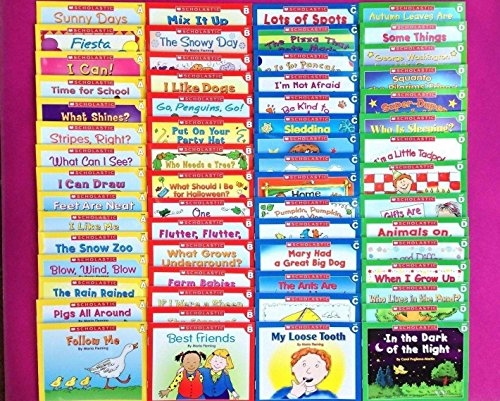
This collection bundles sixty stapled booklets spanning reading levels A through D, with simple, print-focused designs intended to draw attention to early print concepts. The set is designed to support systematic progression from basic recognition to more complete sentences, aiding teachers and parents in structured practice sessions.
Buying Guide: Key Considerations For Choosing First-Time Reader Books
- Reading Level Alignment: Look for clear labels such as levels A–C or Stage 1 in phonics-based sets. Matching a child’s current decoding ability helps maintain confidence without frustration.
- Phonics Emphasis: Prioritize titles that reinforce sound-letter associations, especially for beginners who are just learning to decode words. Phonics-driven texts support faster literacy gains.
- Text and Image Balance: Books with ample illustrations and larger text blocks reduce cognitive load, supporting word recognition without overwhelming the reader.
- Read-Aloud vs. Independent Play: Some sets are ideal for caregiver-led sessions, while others empower early readers to practice on their own. A mix can optimize growth.
- Series Familiarity: Repeated formats and recurring characters help children predict patterns, creating a comfortable and motivating reading experience.
- Durability And Packaging: Sturdy boxes or reinforced bindings help with frequent handling and classroom use, ensuring longevity for budding readers.
- Guided Support Tools: Parent guides or teacher resources can provide structured guidance, fostering consistent practice and progress tracking.
Choosing the right starting point depends on the learner’s preferences, attention span, and literacy goals. The selections above balance phonics, storytelling, and guided reading support to help first-time readers grow with confidence and consistency.