Finding engaging, age-appropriate books for three-year-olds supports language development, imagination, and early literacy skills. This guide highlights five standout titles that blend colorful artwork with simple narratives and gentle life lessons. Each pick is suitable for shared reading, classroom story time, or independent exploration, helping little readers build confidence and a love of books.
| Product | Brand | Notable Feature |
|---|---|---|
| The Rainbow Fish | Simon & Schuster | Colorful ocean adventure with a message about sharing |
| Giraffes Can’t Dance | Scholastic | Rhythmic storytelling with a positive message about being yourself |
| Alexander and the Terrible, Horrible, No Good, Very Bad Day | Atheneum Books for Young Readers | Simple humor and relatable frustration for early readers |
| Preschool Learning Activities – Tracing Books for Kids Ages 3-5 | Momo & Nashi | Hands-on tracing for fine motor and early writing readiness |
| The Day the Crayons Quit | Philomel Books | Humorous voice and vibrant illustrations encourage creativity |
Introduction continued: The titles below are chosen for age-appropriate language, engaging visuals, and simple storylines that hold attention without overwhelming young readers. Each entry includes a quick summary, what to look for in a family reading session, and how the book supports early literacy skills such as vocabulary building, sentence rhythm, and narrative comprehension.
The Rainbow Fish

The Rainbow Fish introduces a shimmering ocean world and a lesson about sharing. The concise text and bright, contrasting illustrations help early readers stay engaged as they encounter social-emotional themes—sharing, generosity, and friendship. The story’s rhythm supports early fluency, and its gentle pace makes it ideal for parent-child read-aloud sessions or classroom storytelling. For caregivers, ask simple questions about how characters feel and what sharing means in daily life, reinforcing comprehension and empathy while keeping reading fun.
Giraffes Can’t Dance
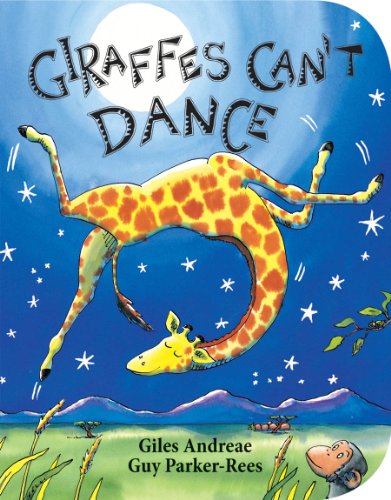
Giraffes Can’t Dance uses a playful story to celebrate being yourself, even when you don’t fit a typical mold. The rhythmic, humorous text paired with warm illustrations helps children predict outcomes, repeat phrasing, and practice phonemic awareness. This title supports social development by modeling resilience and self-acceptance. For reading sessions, invite kids to chant or clap along with the rhythm, then discuss how the giraffe discovers his own kind of music and dancing.
Alexander and the Terrible, Horrible, No Good, Very Bad Day

This lighthearted story uses short sentences and approachable humor to help young readers process disappointment and frustration. The recognizable scenario—one of those days that just doesn’t go right—carries a universal appeal for early listeners. Reading aloud with expressive intonation supports language development, while discussing coping strategies in a simple, concrete way helps build emotional literacy. Encourage children to narrate what happened and think about how a better day might begin the next morning.
Preschool Learning Activities – Tracing Books For Kids 3-5

These all-in-one tracing workbooks combine letter tracing, shapes, lines, and numbers into a single resource designed to boost fine motor skills and early writing readiness. The set includes markers, eraser, and storage, promoting independent play and organization—a practical benefit for homeschool or daycare settings. The dry-erase format allows repeated practice without waste. Use these activities to scaffold pre-writing tasks, encouraging steady strokes and proper pencil grip while keeping learners engaged with colorful visuals and variety.
The Day the Crayons Quit
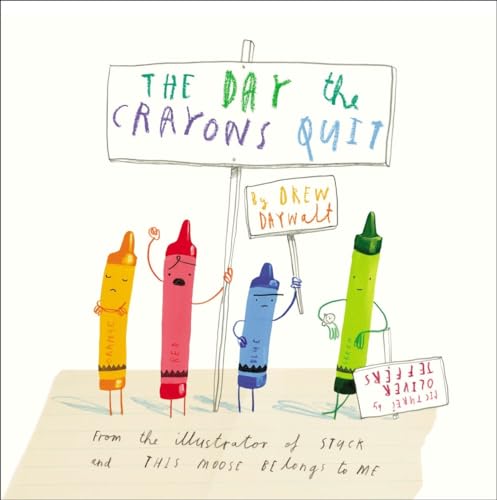
The Day the Crayons Quit uses humor and imaginative dialogue to explore creativity, cooperation, and perspective-taking. The alternating viewpoints of the crayons offer a playful entry into narrative structure and character voices, while the witty premise invites kids to think about how different perspectives shape a story. Read aloud with varying character voices to sharpen listening skills and encourage expressive language. This title is well-suited for sharing with siblings or small groups, fostering social interaction through a shared storytelling experience.
Buying Guide
- Age appropriateness: Look for simple sentences, large type, and bold illustrations that support early literacy without overwhelming new readers.
- Visuals and layout: Bright, high-contrast artwork and clear page design help attention and comprehension. Picture-heavy pages with minimal text are ideal for emergent readers.
- Language and rhythm: Books with repetitive phrases, rhyme, or chant-like text aid memory and pronunciation practice.
- Durability: Board book or hardcover formats withstand frequent handling by little ones; check for sturdy binding and chew-safe materials for younger toddlers.
- Narrative structure: Short plots and distinct, easy-to-follow sequences support predictability and turn-taking during shared reading.
- Educational value: Look for opportunities to discuss emotions, social skills, numbers, shapes, or colors without turning the book into a lesson.
- Reading format: Consider availability in print and digital formats; interactive features can be engaging but may distract from narrative flow.
- Series potential: If a book resonates, check for related titles featuring similar characters or settings to extend the reading experience.
- Cost and accessibility: Compare library availability, used copies, and retailer options to keep reading affordable and accessible.
- Gender and diversity: Choose stories with varied characters and environments to broaden horizons and reduce stereotypes.
Reading tips: Allocate a regular time for reading to build routine. Alternate roles: the adult reader, the child reader, and the observer who comments on pictures. Ask open-ended questions about character feelings, motivations, and actions to promote comprehension and verbal expression. Finally, encourage children to retell the story in their own words or act out simple scenes using props to deepen understanding and engagement.