Finding engaging, age-appropriate books for preschoolers helps build early literacy, social-emotional skills, and imagination. The following selections are popular, colorful, and designed to appeal to curious three- and four-year-olds. Each title encourages listening, talking about stories, and exploring new ideas through picture-rich pages and playful narratives. Explore these five titles to support daily reading routines at home or in preschool settings.
| Product | Brand | Highlights |
|---|---|---|
| All by Myself (Little Critter) (Look-Look) | Penguin | Learning independence, dressing and grooming themes, colorful illustrations |
| The Day the Crayons Quit | Philomel Books | Humorous back-to-school story, crayons with feelings, problem-solving |
| Preschool Learning Activities – Tracing Books for Kids Ages 3-5 | Momo & Nashi | Hands-on tracing, shapes, letters, fine motor skills, dry-erase reuse |
| School Zone Connect the Dots Workbook | School Zone | Dot-to-dots, counting, early math concepts, age 3–5 |
All by Myself (Little Critter) Look-Look

This Penguin title follows a child learning to manage daily tasks independently, such as getting dressed and grooming. The story centers on practical steps a preschooler can take, reinforcing self-reliance through relatable routines. Bright, friendly illustrations accompany concise text, making it suitable for shared reading and early conversations about responsibility. The Look-Look format engages young readers with vivid visuals while keeping the language accessible for early listeners and readers alike.
The Day the Crayons Quit
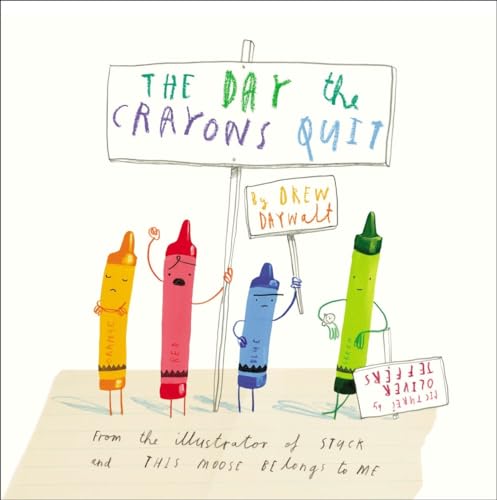
This humorous at-school tale imagines what happens when crayons decide to quit coloring. Told from the crayons’ perspectives, it invites kids to think about cooperation, problem-solving, and creativity. The story fosters discussion about feelings, teamwork, and compromise, while encouraging children to express ideas about how to resolve conflicts. The playful premise and lively illustrations motivate engagement and can serve as a springboard for classroom activities involving color, art, and storytelling.
Preschool Learning Activities: Tracing Books for Kids Ages 3-5

This all-in-one tracing workbook focuses on handwriting readiness for children aged 3-5. It includes 35 activities designed to build letter tracing, shapes, lines, and early number sense. The dry-erase feature and included markers promote reuse and ongoing practice, supporting independent play and family or classroom use. The set’s comprehensive approach helps with pencil grip, dexterity, and visual-motor coordination, making it a practical choice for early readers and writers.
School Zone Connect the Dots Workbook

This workbook combines dot-to-dots with counting and simple number puzzles suitable for preschool and kindergarten readiness. The structured activities help develop concentration, number recognition, and fine motor control. Its compact format and clear progression from basic to more challenging tasks support gradual skill-building and steady achievement as children move from 3 to 5 years old.
Buying Guide
- Age-appropriateness: Look for books and activities designed for preschoolers that emphasize both language development and fine motor skills.
- Reading style: Picture-heavy books with simple text encourage shared reading and conversation about story elements, while interactive activities promote hands-on learning.
- Independence vs. guidance: Materials that encourage independent practice (like dry-erase tracing books) can build confidence, while stories with prompts support caregiver interaction.
- Durability and format: Durable paper or wipe-clean surfaces are ideal for frequent use in homes or classrooms. Consider formats that suit your reading routine.
- Skill coverage: A balanced selection should cover story comprehension, early math concepts, and fine motor development to support well-rounded literacy.
- Accessibility: Look for clear fonts, high-contrast illustrations, and text that aligns with early reading levels to keep kids engaged.
Choosing a mix of fiction and activity-based titles can create engaging daily reading routines. The listed titles emphasize relatable themes, humor, and practical early-learning tasks that align with typical milestones for ages 3–5. When integrating these books into a classroom or home library, pair stories with related activities such as color naming, drawing, or tracing to reinforce concepts and language development.