Sound-based books help young children connect words to actions, build vocabulary, and engage with stories through multisensory play. The following selections focus on animal sounds, phonics, and music to support early literacy. Each title offers interactive elements, sturdy pages, and engaging activities designed for little learners and curious minds.
The selected titles below are highlighted for their sound buttons, native pronunciation cues, and interactive features. A quick summary table is provided to compare core takeaways at a glance.
Product Quick Reference
| Product | Brand | Key Feature | Interactive Element |
|---|---|---|---|
| World of Eric Carle: Around the Farm | PI Kids | 30 animal sounds; first words | Press buttons to hear animal sounds and names |
| Arnbz 2025 New My First English Words Sound Book | Arnbz | 470+ words; 21 themes | GO button changes themes; native pronunciation |
| Joey Books: Children’s Songs | Joey Books | Classic nursery rhymes; language learning | Easy-press sound buttons for full songs |
| World of Eric Carle: Hear Bear Roar | PI Kids | Multisensory reading; word-picture connections | 30 animal sounds with interactive pages |
World Of Eric Carle Around The Farm—30 Button Animal Sound Book
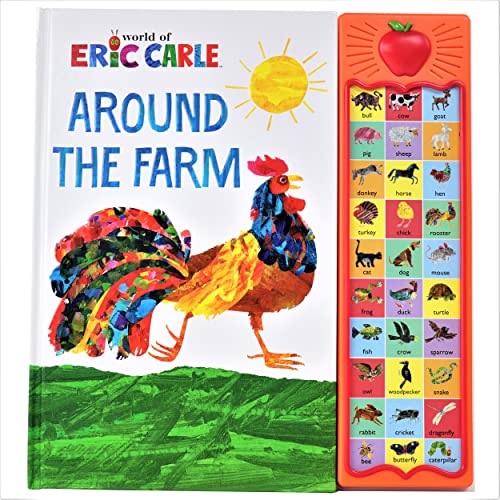
This PI Kids edition uses 30 distinct animal sound buttons to reinforce vocabulary. Children press a button to hear the animal’s name and a characteristic sound, linking auditory cues with visual animal images. The book is tailored for early learners, typically ages 3 and up, and supports emergent literacy through repetitive sound-word associations. The interactive setup can promote memory retention as children repeat sounds and names while turning pages.
Arnbz 2025 New My First English Words Sound Book

This sound book offers over 470 essential words across 21 themes, including animals, vehicles, and nursery rhymes. A prominent GO button lets children switch themes, pairing visuals with authentic native American English pronunciation. The book emphasizes phonics and pronunciation, aiming to build early vocabulary through clearly enunciated audio. Its interactive quiz mode adds a gamified element to reinforce word recognition, making learning feel like a guided adventure rather than a task.
Joey Books: Children’s Songs—Press And Play

This sound book features eight full-length songs with multiple verses to encourage sing-alongs and language development. Bright, whimsical illustrations capture young imaginations, while easy-to-press buttons let kids trigger songs with minimal effort. The design supports early literacy by providing opportunities to learn lyrics, rhythm, and vocabulary in a musical context, helping children connect sounds to language in an enjoyable format.
World Of Eric Carle Hear Bear Roar—30 Button Animal Sound Book

Hear Bear Roar builds on the familiar Eric Carle brand with a multisensory approach to early reading. The 30-button design pairs action with visual cues to help children associate words with sounds and images. This interactive format supports vocabulary growth and cognitive association as kids relate animal names to their respective sounds and visual scenes. The book’s compact size and sturdy construction make it suitable for repeated sessions and shared reading with caregivers.
Buying Guide: Sound-Enabled Books For Kids
Choosing the right sound-based book involves considering a child’s developmental stage, interests, and learning goals. Here are key purchase considerations and comparisons to help families decide.
- Age appropriateness: Look for age recommendations (typically 3+). Ensure the buttons and pages are durable and sized for little hands to press confidently.
- Sound quality and clarity: Clear pronunciation and audible animal sounds are essential for effective vocabulary building and phonics practice.
- Theme and content variety: A mix of animals, objects, and songs can sustain engagement. Thematic breadth (animals, vehicles, rhymes) supports broader language development.
- Interactivity level: Some books emphasize single-sound repetition, while others offer quizzes or multi-theme navigation. Choose based on whether a child prefers guided activities or free exploration.
- Visual design: Bright illustrations and friendly characters help maintain attention and support word-picture associations.
- Durability and usability: Consider board-book construction or reinforced pages for frequent handling and potential drooling or spills.
- Language and pronunciation: Native-language audio is beneficial for authentic pronunciation and phonemic awareness, particularly for language development in early childhood.
- Replay value: Features like multiple songs, themed pages, and quiz modes can extend the learning window and reduce early boredom.
For parents and educators, pairing sound books with guided reading times can maximize outcomes. Encourage children to repeat names after hearing them, imitate animal noises, and connect sounds to corresponding pictures. Rotating among animals, songs, and word lists preserves novelty while reinforcing core literacy skills. When selecting titles, consider how each book supports both vocabulary expansion and listening comprehension in a structured, enjoyable way.