Helping kindergarteners understand their emotions builds communication, empathy, and self-regulation. The following kid-friendly books use flip charts, colorful illustrations, and short scenarios to teach mood recognition and positive coping strategies. Each pick below is designed for group read-alouds, small classrooms, or quiet time in preschool and early elementary settings.
| Product | Brand | Format | Key Benefit |
|---|---|---|---|
| The Original Mood Flipbook for Kids | My Moods, My Choices | Laminate Flipbook | 20 moods with positive actions |
| Torlam Feelings And Emotions Book | Torlam | Flipbook/Chart | 10 scenes to analyze emotions |
| Feelings Family Core Emotions Book Set | hand2mind | 5-Book Set | Emotional regulation through stories |
| Thought-Spot I Know What to Do Flipbook | Thought-Spot | Flipbook | Coping skills for everyday feelings |
The Original Mood Flipbook for Kids
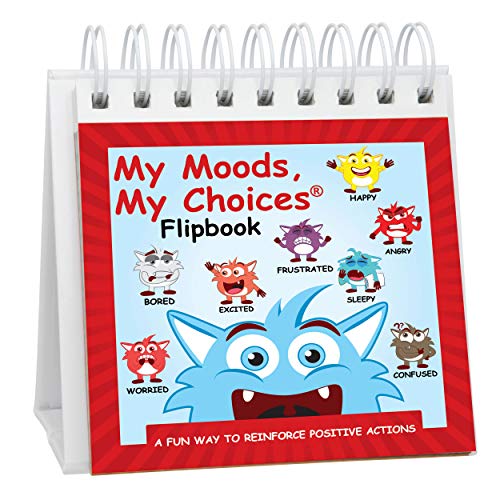
The Original Mood Flipbook for Kids offers a concise, laminated tool to teach young children about a wide range of moods and the positive actions associated with each feeling. It includes twenty distinct emotions, including angry, bored, happy, sad, and worried, helping kids identify how they feel and what to do next. The revised design introduces new images and suggested actions that children can imitate, reinforcing learning through repetition and visual cues. The flipbook is available in multiple sizes with a built-in stand, making it accessible for classrooms, therapy settings, and family readings. The laminated pages ensure durability for daily handling by preschool and kindergarten learners.
Key features include: 20 moods organized for easy reference, laminated pages for wipe-clean use, a compact travel size, and larger formats for classroom display. The tool supports teachers and parents in guiding positive behavior by pairing recognition with practical coping steps. This resource suits early literacy environments where students are developing emotional vocabulary and self-management strategies.
Ideal for small-group activities, independent reading corners, and calm-down stations, the flipbook fosters empathy as children learn to identify emotions in themselves and others. It also supports inclusive learning plans by offering visual cues that benefit diverse learners, including those who are English learners or nonverbal. Teachers can align the content with social-emotional learning (SEL) standards to track progress over time.
Torlam Feelings And Emotions Book

The Torlam Feelings And Emotions Book is designed as a classroom-friendly flip chart with 20 distinct feelings and ten narrative scenes to help children observe and interpret emotional cues. The book emphasizes identifying moods, expressing them, and choosing positive responses. By presenting clear, relatable scenarios, it supports language development and social awareness in early learners. The structure encourages guided discussion about how characters feel in each scene and why certain actions might help manage those feelings. This resource can be used during circle time, literacy centers, or individual reading corners to reinforce emotional literacy.
Highlights include: a broad range of emotions (from tired to excited to worried), multiple visual cues to spark discussion, and an emphasis on behavioral understanding tied to emotional recognition. The material supports SEL goals such as empathy, self-regulation, and appropriate social interactions. Its practical approach makes it suitable for both home use and classroom instruction, especially for children who benefit from concrete visual supports when learning about feelings.
For educators, the flipping format and scene variety provide flexible means to scaffold conversations about mood, encourage observation skills, and model healthy coping strategies. The tool aligns well with preschool through early elementary curricula and can be integrated with other SEL activities to reinforce consistent messaging across settings.
Feelings Family Core Emotions Book Set

The Feelings Family Core Emotions Book Set by hand2mind introduces five core emotions through a cohesive storytelling collection. Each 24-page book centers on a single emotion—happy, sad, angry, scared, and surprised—presented through relatable characters and everyday situations. The format supports a calm-down or reflection moment, giving children a safe space to practice recognizing feelings and observing how behaviors can reflect internal states. This set also fosters family involvement by offering shared reading experiences that connect what kids feel with constructive responses.
Features highlight: storytelling-driven emotional regulation, clear visual cues to portray external expressions, and practical implications for home and classroom routines. The multi-book approach helps caregivers track a child’s emotional vocabulary growth and supports consistent SEL practice across settings. The content is designed to be age-appropriate for preschoolers and kindergartners while offering enough depth for early elementary readers who need more nuanced discussions about feelings.
Thought-Spot I Know What to Do Flipbook

The Thought-Spot I Know What to Do Flipbook focuses on everyday emotions and practical coping strategies for children aged 3–5. It visually guides kids to recognize their feelings, build emotional vocabulary, and choose actions that promote calm and positive behavior. With large emotion tabs and 20 common moods, the flipbook is easy for young readers to navigate, whether at home or in a classroom. It supports emotional regulation by pairing each mood with simple, age-appropriate strategies that children can remember and apply across contexts.
Key aspects include: accessible visuals for quick reference, space for children to add personal coping ideas, and an emphasis on self-awareness and resilience. This tool complements broader SEL programs by providing a portable, engaging resource that can be used during circle time, independent reading, or therapy sessions. Its straightforward format makes it a practical addition to early childhood curricula and parent-led learning.
Buying Guide: Key Considerations For Choosing Feelings Books For Kindergarten
- Age-appropriateness: Look for books with simple language, clear illustrations, and short engagement segments that suit preschool and kindergarten attention spans.
- Emotional range: A good set should cover a wide spectrum of moods—from basic states like happy and sad to more nuanced ones like nervous or frustrated—to build vocabulary.
- Format and durability: Laminated flipbooks and board-book formats are ideal for classroom use and at-home use by young children who may be rough with pages.
- Interactivity: Consider tools that invite active participation, such as flipping through scenes, pointing to emotions, or suggesting coping actions to reinforce learning.
- Teachability: Books that connect feelings to concrete actions help children translate recognition into behavior. Look for explicit coping strategies and discussion prompts.
- Cultural and language accessibility: Choose titles with diverse characters and straightforward text to support inclusive learning and multilingual classrooms.
- Classroom integration: Assess how well a book fits existing SEL goals, literacy centers, and circle-time activities. Some sets lend themselves to small group work and storytelling routines.
- Durability and value: Reusable resources with wipe-clean pages or durable bindings save time and money for teachers and families.
To maximize impact, educators can pair these books with guided questions, role-play scenarios, and classroom posters that visually reinforce emotional vocabulary. Parents may extend learning by naming feelings during daily routines and modeling calm-down strategies together. A varied collection—covering both flipbooks and story-based sets—helps accommodate different learning styles and reinforces a consistent approach to emotional literacy in kindergarten.