Choosing the right board books supports early literacy, durable construction for little hands, and engaging stories that captivate toddlers and preschoolers. Below is a curated list of five classic board books that are widely loved for their simple text, bright illustrations, and sturdy pages. Each entry includes imagery and a quick look at features to help caregivers pick the best fit for a child’s development and interests.
| Title | Brand | Key Features |
|---|---|---|
| The Rainbow Fish | Simon & Schuster | Bright underwater imagery; simple language; durable board pages |
| Goodnight Moon | HarperCollins | Classic bedtime scene; gentle rhythm; sturdy board format |
| The Going To Bed Book | Boynton Bookworks | Rhythmic prose; humorous illustrations; long-lasting board pages |
| The Very Hungry Caterpillar | Penguin | Development cues; interactive counting/food motif; robust board edition |
| Giraffes Can’t Dance | Scholastic | Encourages confidence; bright visuals; durable construction |
The Rainbow Fish

The Rainbow Fish is a foundational board book that uses a bright, ocean-scene palette to attract early readers. The story revolves around friendship and sharing, conveyed through simple sentences suitable for toddlers. This version emphasizes sturdy pages and durable cover, ideal for daily handling by small children. Language is approachable for early listeners and new readers, making it a popular choice for family reading routines and early literacy development.
Goodnight Moon
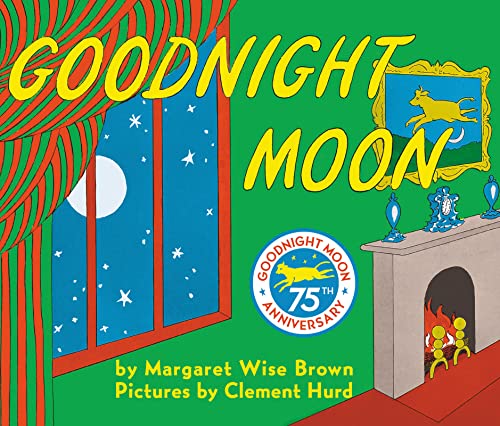
Goodnight Moon is a timeless bedtime staple with a gentle rhythm and soothing imagery. This board book format can withstand bedtime routines, kisses, and repeated readings. The text is concise, and the illustrations create a calm, cozy atmosphere that many children recognize as part of their nightly ritual. As a first board book, it helps with word recognition and familiar phrases, supporting early language development and a predictable bedtime routine.
The Going To Bed Book

This title offers rhythmic, humorous text paired with bold, friendly illustrations. The board book format supports rough handling and frequent page turning during a bedtime routine. Its durable construction promises extended use, while the playful language keeps young listeners engaged. If a parent wants a lively, predictable bedtime read, this book provides both entertainment and routine reinforcement.
The Very Hungry Caterpillar

A modern classic, The Very Hungry Caterpillar invites young readers to follow a caterpillar’s metamorphosis through simple text and a counting motif. The board edition is designed for little hands and rough handling, with vivid, memorable images. It supports early numeracy and comprehension as children encounter days of the week and basic concepts like counting and growth, all presented in an appealing, durable format.
Giraffes Can’t Dance
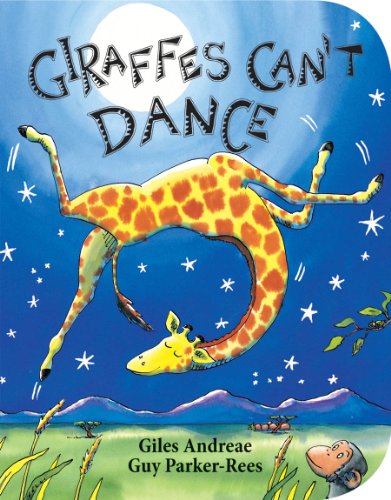
Giraffes Can’t Dance celebrates individuality with bright, expressive illustrations and simple, rhythmic text. The message promotes self-confidence and embracing one’s unique talents, which makes it a positive pick for early readers who are forming self-concepts. The board book construction ensures resilience under frequent handling by curious toddlers and preschoolers, making it a dependable choice for family libraries focused on emotional and social learning.
Buying Guide: Key Considerations for Choosing Board Books
When selecting board books for young readers, consider durability, age-appropriateness, and engagement. Look for rounded edges, thick cardboard pages, and strong bindings to withstand frequent use. Consider whether the text is repetitive or rhythmic, which supports memory and early language skills. Evaluate illustrations for color, clarity, and visual contrast to capture attention.
Reading goals also matter. For vocabulary building, choose titles with simple sentence structures and predictable patterns. For early math or sequencing skills, prefer books with counting elements, days of the week, or basic concepts. If bedtime routines are a priority, select soothing narratives with calm imagery that encourage relaxation and transition to sleep.
Parental involvement enhances outcomes. Interactive-reading approaches—pointing to pictures, naming objects, and asking simple questions—help children connect words to meaning. Finally, consider the child’s interests: animals, nature, fantasy, or everyday activities, to sustain engagement and foster a lifelong love of reading.
Comparison Snapshot
- Bright, simple stories: The Rainbow Fish; Goodnight Moon; The Very Hungry Caterpillar
- Rhythmic, humorous tone: The Going To Bed Book; Giraffes Can’t Dance
- Developmental focus: counting, days, metamorphosis, and self-expression