For kindergarteners, animal-themed books nurture early literacy while sparking curiosity about wildlife and nature. This guide highlights four carefully chosen titles that blend engaging storytelling with interactive elements, vivid illustrations, and accessible language. Each pick supports building vocabulary, listening skills, and a love for reading. Below, you’ll find a quick summary table, brief introductions to each title, and a practical buying guide to compare features and suitability for young readers.
| Product | Brand | Key Benefit |
|---|---|---|
| Dr. Seuss’s Beginner Book Boxed Set | Random House Books for Young Readers | Classic early-readers with playful rhymes for shared reading |
| World of Eric Carle, Around the Farm | PI Kids | Interactive animal sounds to reinforce vocabulary |
| The Wide-Mouthed Frog (A Pop-Up Book) | Dial Books | Engaging pop-up visuals to excite curiosity about animals |
| LeapFrog 100 Animals Book, Green | LeapFrog | bilingual learning with sounds, names, and basic facts |
Dr. Seuss’s Beginner Book Boxed Set

This boxed set brings together five beloved beginner books by Dr. Seuss, offering a rich blend of rhythm, repetition, and humor that supports early reading confidence. The collection includes The Cat in the Hat, One Fish Two Fish Red Fish Blue Fish, Green Eggs and Ham, Hop on Pop, and Fox in Socks. The language structure—short sentences, rhymes, and playful vocabulary—makes it ideal for shared reading with caregivers and for independent exploration as skills grow. The familiar characters and engaging plots aid memory recall and encourage participation during read-aloud sessions.
World of Eric Carle, Around the Farm
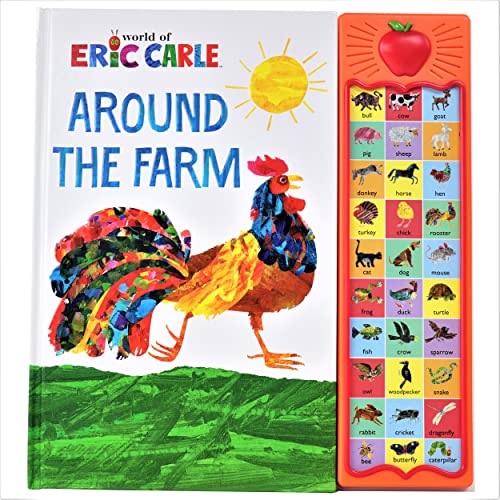
PI Kids presents Around the Farm with 30 animal sound buttons that accompany short, readable phrases. Each button corresponds to a specific animal and its sound, creating an interactive experience that reinforces naming and comprehension. This title supports auditory learners and helps children connect spoken language with visual cues. The animal sounds can motivate participation, turn reading into an engaging multi-sensory activity, and provide a practical context for early vocabulary development.
The Wide-Mouthed Frog (A Pop-Up Book)

This pop-up edition brings wildlife into 3D with vibrant artwork and surprising folds that surprise and delight young readers. While the text is concise, the visual pop-ups serve as a strong context for new vocabulary and storytelling rhythm. As a read-aloud, adults can pause to explore animal traits, habitats, and sounds, turning the book into a playful exploration of animal behavior and natural curiosity without overwhelming early readers with excessive text.
LeapFrog 100 Animals Book, Green

LeapFrog’s bilingual book introduces animals through six double-sided pages spanning forest, ocean, and shore categories. It includes three play modes to teach animal names, sounds, and fun facts, with a fully bilingual format enabling English and Spanish exposure. The interactive design supports phonemic awareness, basic vocabulary, and cross-linguistic recognition—beneficial for households with bilingual or language-learning needs. The durable format is suitable for repeated handling by energetic kindergarten readers.
Buying Guide
When selecting animal-themed books for kindergarteners, consider several factors to maximize learning and enjoyment. Below are key purchase considerations and how different features address them.
- Reading level and pacing: Choose titles with simple sentences, repetitive structures, and rhyme to support early readers. Series with familiar characters help build confidence during shared reading.
- Interactivity and engagement: Sound buttons, pop-ups, or bilingual modes add hands-on elements that reinforce vocabulary and memory. Interactive formats can sustain attention and make reading a playful activity.
- Vocabulary and concepts: Look for books that introduce animal names, sounds, habitats, and basic action verbs. A gradual progression from common animals to more complex terms supports long-term literacy development.
- Durability and age suitability: Board books or padded pages are ideal for younger kindergarteners who may be rough with pages. For pop-ups, ensure sturdy construction to withstand frequent use.
- Illustration style and accessibility: Bold, high-contrast illustrations help early readers discern details. Clear typography with ample spacing aids word recognition.
- Language balance: Bilingual options can be valuable for households with multilingual goals, offering early exposure to another language without overwhelming complexity.
- Reading format and setting: Consider whether the child’s reading preference is independent, with a caregiver, or a classroom setting. Collections and boxed sets can provide a structured, repeatable reading routine.
- Value and durability: Boxed sets and multi-book collections offer cost efficiency and a consistent reading experience, enabling repeated use across the school year.
- Content suitability: Ensure themes are appropriate for kindergarten, avoiding content that is overly complex or frightening for young learners.
For households focusing on language development, bilingual or audio-enabled options are particularly advantageous. For classrooms or libraries, durability and a mix of interactive formats help accommodate different learning styles and group activities. Each title here provides a distinctive approach—from classic rhymes to sound-based interaction—supporting a well-rounded early literacy experience.