Exploring the alphabet through engaging books helps young readers build foundational literacy skills while fostering a love of reading. The following selections emphasize letter recognition, phonemic awareness, and interactive elements that keep preschoolers and early elementary students motivated. Each pick below is designed to support diverse learning styles, from songs and stories to workbooks and interactive activities. Use this guide to assemble a top-tier alphabet collection for home or classroom use.
Summary of chosen products
| Product | Brand | Key Focus | Format |
|---|---|---|---|
| Learning Bugs Interactive Letter Song Book | LEARNING BUGS | 26 letter songs; interactive buttons | Interactive book with audio buttons |
| Laugh-a-Lot Alphabet Books (Single-Copy Set) | Scholastic | Phonics concepts; letter sounds; blends | Set of 26 mini-books and activity materials |
| AlphaTales Box Set | Scholastic | Alliterative stories; phonemic awareness | Boxed storybook collection |
| School Zone Alphabet Workbook | School Zone | Tracing; alphabetical order; practice | 64-page workbook |
These selections cover auditory learning, word-building practice, reading comprehension, and fine-motor skills essential for early literacy. Whether you’re seeking musical engagement, story-driven letters, or structured handwriting practice, each option complements a well-rounded alphabet curriculum.
Learning Bugs Interactive Letter Song Book

The Learning Bugs interactive book uses 26 songs, each dedicated to a different letter. This structure reinforces letter names and sounds through memorable tunes linked to familiar nursery rhymes. The durable pages and kid-friendly design make it a practical option for daily learning routines in homes or classrooms. The book invites hands-on participation, encouraging toddlers and preschoolers to press buttons and explore at their own pace, which supports independence and sensory engagement. Teachers and caregivers may leverage the musical format to model pronunciation and rhythm patterns that reinforce phonemic awareness.
Key features include: 28 easy-to-press buttons for self-guided exploration; alphabet-focused songs designed to improve recall; and a sturdy format suitable for little hands. The product supports early literacy by combining music, visuals, and letter recognition, making it a versatile tool for foundational literacy activities. This choice is ideal for parents seeking a playful, interactive approach to learning the ABCs that blends movement with sound.
Laugh-a-Lot Alphabet Books (Single-Copy Set)
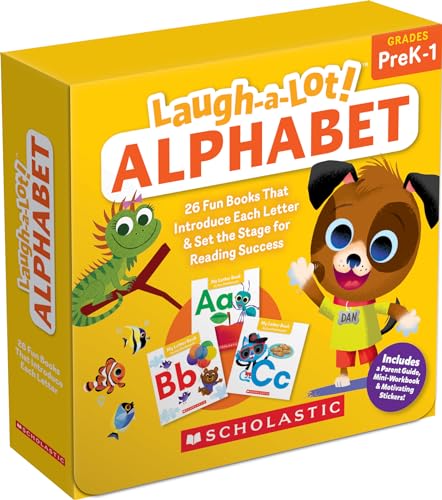
The Laugh-a-Lot Alphabet Books provide targeted phonics practice aligned with foundational reading skills. Sold as a 26-book set, these compact volumes cover essential concepts such as letter sounds, short vowels, long vowels, and basic blends and digraphs. The included activity pages and stickers, along with a sturdy storage box, support independent practice and organization. This collection is well-suited for kindergarten readiness or small-group centers, offering a cumulative approach to alphabet mastery through repetitive exposure and varied activities.
Each title is designed to reinforce a different letter or phonics concept, enabling educators and parents to tailor instruction to a child’s pace. The colorful pages and concise practice prompts help maintain engagement while building critical decoding skills. For families building a structured phonics toolkit, this set provides a comprehensive, low-pressure pathway to achieving letter recognition and sound mastery.
AlphaTales Box Set

The AlphaTales Box Set blends story-driven lessons with phonemic awareness activities. Each alliterative tale makes learning the alphabet enjoyable while supporting letter recognition and sound association. The combined approach—story pages, picture pages, and accompanying poems—provides a well-rounded practice set that helps children thoroughly encounter every letter. The repetition of sounds in alliterative narratives reinforces phonemic patterns in a memorable context, aiding recall as children progress through early literacy milestones.
Scholastic’s boxed collection offers a convenient, organized way to present letters within a narrative framework. The set is particularly useful for shared reading sessions, teacher-led lessons, and independent exploration. By pairing engaging stories with targeted practice, AlphaTales supports both comprehension and decoding skills as children build a robust alphabet foundation.
School Zone Alphabet Workbook

The School Zone Alphabet Workbook provides structured practice with tracing and order activities designed for preschool and pre-K learners. The 64 pages cover essential concepts such as letter shapes, alphabetical order, and fine-motor skills needed for early writing. Although described as a used book in good condition, the workbook’s content remains accessible and practical for classroom or homeschool use. The workbook format supports repetitive, guided practice, making it a dependable resource for solidifying letter recognition and early writing patterns.
With clear instructions and age-appropriate tasks, teachers and caregivers can segment activities by letter or run a broader letter-review session. By combining tracing with alphabet sequencing, the workbook strengthens handwriting readiness and visual-motor coordination—key prerequisites for successful literacy development.
Buying Guide: Key Considerations For Choosing Alphabet Books
- Learning style alignment: Choose products that match the child’s preferred learning style—musical and interactive formats work well for kinetic and auditory learners, while workbooks suit methodical, visually oriented learners.
- Phonics focus vs. narrative focus: Decide whether you want explicit phonics practice (sounds, blends, digraphs) or story-driven exposure to letters and sounds. A mix often yields the best results.
- Durability and age-appropriateness: For toddlers and preschoolers, durability matters for withstanding frequent handling. Age recommendations in product listings help ensure appropriate challenge levels.
- Independent vs. guided use: Some items support solo exploration; others are designed for adult-led instruction. Balance these to fit your routine and classroom dynamics.
- Progressive skill development: Look for a progression that introduces letters, sounds, and writing steps in a logical sequence, so children build on prior knowledge.
- Supplementary materials: Consider whether additional worksheets, storage solutions, or accompanying boxes are included to support organization and ongoing practice.
- Availability and accessibility: Ensure the chosen items are readily accessible through reputable retailers and compatible with your learning environment.
Selected products collectively cover auditory, visual, and kinesthetic learning modalities. They also span multiple age ranges within early literacy, from toddler through preschool to early elementary readers. This multi-faceted approach helps caregivers curate a versatile alphabet program that can be adjusted as a child’s skills evolve. When assembling a library or classroom kit, consider staggering the activities so children receive varied, reinforcing experiences across letters and sounds.