Behavior punch cards are a simple, scalable tool for reinforcing positive actions in the classroom. The right set combines durable materials, clear visual cues, and age-appropriate design to keep students motivated. Below, five highly regarded options from well-known brands are explored, highlighting how each can support classroom management, student motivation, and consistent rewards.
A quick overview of the chosen products:
| Product | Brand | Key Benefit |
|---|---|---|
| Punch Cards for Classroom, 240 Pack | Joyberg | Durable art-paper cards with two styles and discrete punch guides |
| Hygloss Behavior Cards – Red, Yellow, Green | Hygloss | Color-coded system for easy behavior tracking |
| ONEDONE Punch Cards (Pack of 200) | ONEDONE | Versatile, customizable, multi-use incentive system |
| GSM Brands Teacher Punch Cards (200 Pack) | GSM Brands | Bulk, wallet-friendly design with durable cardstock |
| ILEBYGO 300 Pieces Punch Cards (Star Shape) | ILEBYGO | Large variety with blank backs for personalized messages |
Joyberg Punch Cards for Classroom

The Joyberg set provides 240 punch cards in two styles, crafted from thick art paper for durability in everyday classroom use. Cards feature clear, crisp printing with colorful visuals that appeal to children. A discrete punch point guide helps prevent over-punching, supporting consistent tracking across the class. Rounded corners reduce the risk of minor injuries during handling, making them suitable for younger students. This design supports consistent reinforcement patterns, which can improve behavior outcomes over time.
Ideal applications include daily behavior tracking, small-group rewards, and display boards where students can see their progress toward a goal. The two style options give teachers flexibility to tailor rewards to different activities or themes. Cards are easy to store, shuffle, and distribute, contributing to minimal classroom disruption during morning routines or transitions.
Hygloss Red, Yellow & Green Behavior Cards

Hygloss cards use a classic color-coding system—green for good behavior, yellow for a warning, and red for needed improvement. The color task is instantly recognizable, supporting quick teacher decisions and minimal interruptions to instruction. The 2″ x 3″ card size is compact, making it easy to fit into folders, clipboards, or seating charts. This set is designed to foster a productive learning environment by providing immediate visual feedback, reducing the need for lengthy verbal reminders during lessons.
The color-coded approach helps students internalize expectations and can be particularly effective for early childhood and elementary classrooms. Durable cardstock and a simple design minimize confusion for students who are still developing self-regulation skills. When paired with tangible rewards, these cards can encourage steady improvement and a clear link between behavior and consequence.
KIUKIUO 320 Pieces Punch Cards Bundle

The KIUKIUO bundle delivers 320 punch cards across four distinct styles, ensuring a lively variety for different classroom tasks. The standard 3.5 x 2 inch size fits wallets and planners, making it easy for students to carry and track. Each card features a 1-10 punch scale and a blank reverse side for personalized notes or messages. The punchable designs encourage consistent participation, and the durable paper can accommodate a range of writing tools without bleeding through, supporting long-term use in busy classrooms.
With multiple designs, teachers can assign different reward schemes per group or subject, increasing engagement while preserving fairness. The blank areas on the back enable teachers to customize rewards and tie them to specific behaviors or accomplishments, enhancing clarity for students and parents alike.
ONEDONE Punch Cards For Classroom

ONEDONE offers a versatile pack of 200 punch cards designed for classroom behavior incentives, home use, and small-business loyalty programs. The cards support a flexible reward system where each success can be marked with a punch from a heart-shaped design or other icons, making the achievement feel tangible for students. The cards also include blank areas for customizing notes or defining the reward criteria, enabling teachers to tailor goals to individual students or whole groups. This adaptability makes ONEDONE suitable for diverse teaching styles and classroom sizes.
The product emphasizes engaging, kid-friendly visuals and a straightforward layout, which helps maintain student focus during activities and transitions. The pack size is convenient for large classes while allowing room for repeated cycles of goal setting and recognition, aligning with evidence-based strategies that link frequent acknowledgment to improved classroom behavior.
GSM Brands Teacher Punch Cards
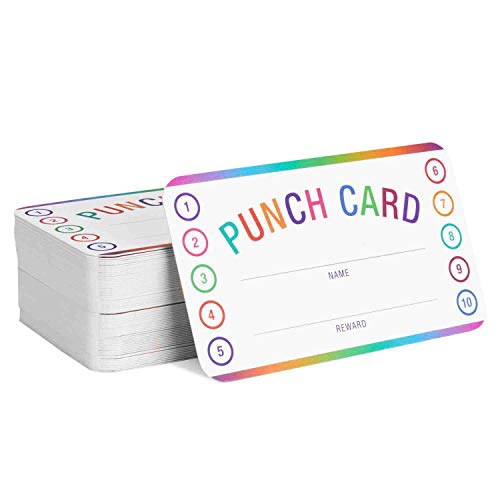
The GSM Brands 200-pack emphasizes bulk utility and sturdy construction. The 3.5 x 2 inch size is standard for easy handling and storage, fitting wallets, backpacks, and organizers. The 300 GSM heavy cardstock ensures durability even with frequent writing and erasing in classroom routines. Teachers can implement a simple punch-card system for independent work, group challenges, or daily behavior goals, with clear visibility of each student’s progress. This set supports consistent reinforcement while minimizing wear and tear on the cards over an entire school year.
Because the bundle is economical for larger classes or programs, it suits schools seeking scalable solutions. The cards’ classic look and reliable paper quality make them a straightforward option for teachers who want minimal maintenance and predictable performance.
ILEBYGO 300 Pieces Star Shape Cards

The ILEBYGO set features 300 star-shaped punch cards in a bold, colorful design. Each card is 3.5 x 2 inches, making them convenient to carry and swap during lessons or stations. Cards include a 1-10 scoring system and a blank back for personalized notes. The package’s large quantity is ideal for schools, tutoring programs, and after-school clubs where multiple tasks require separate tracking. The bright star motif can be particularly appealing to younger students, encouraging consistent participation in rewarding activities.
Buying Guide: Key Purchase Considerations And Comparisons
When selecting behavior punch cards for students, consider these factors to align with classroom goals and student needs.
- Durability and material: Look for thick cardstock or art paper that withstands frequent handling, writing with various pens, and potential use over an entire term. Heavier stock reduces bleed-through and tearing.
- Size and readability: Standard business-card dimensions (3.5 x 2 inches) fit neatly into desks, planners, and wallets. Large type or clear visuals help younger students quickly recognize goals and rewards.
- Color-coding and design: Color-coded systems (green/yellow/red) provide immediate feedback, while themed designs (stars, punch cards, or other icons) can boost engagement for different age groups.
- Customization: Blank backs or spaces for notes allow teachers to tailor goals, rewards, and messages for individual students, groups, or subjects.
- Bundle size and value: For larger classes or programs, bulk packs offer cost efficiency and consistent quality across long-term use. Ensure the styles provide enough variety to prevent reward fatigue.
- Ease of implementation: A simple punch mechanism and a straightforward progress track reduce classroom disruption. Visual progress indicators can improve student motivation with minimal verbal prompts.
- Safety: Rounded corners and non-toxic printing are important for younger learners to prevent accidents during handling and sharing.
- Compatibility with rewards: Align card designs with the rewards ecosystem in your classroom—stickers, privilege time, or small prizes—so students see a direct link between effort and reward.
- Parent and administration clarity: Consistent, transparent cards help parents understand goals and outcomes, and can be shared in progress reports if needed.
In practice, educators often combine color-coded behavior cards with a visible class chart or digital tracking to reinforce progress. The best options maintain simplicity for students while offering enough flexibility for teachers to adapt to varied classroom dynamics, curricula, and behavior objectives.