Finding a child-friendly dictionary that supports early readers is essential for building confident spelling, vocabulary, and reading comprehension. The following selections are geared toward second graders, offering age-appropriate definitions, clear usage, and engaging features to reinforce spelling, phonics, and word knowledge. This guide compares popular beginner dictionaries and reference sets to help parents and educators choose the right fit.
| Product | Brand | Why It Stands Out |
|---|---|---|
| Merriam-Webster’s Elementary Dictionary | Merriam-Webster | Growing vocabulary with updated entries and quotes from children’s literature. |
| Merriam-Webster’s Dictionary for Children | Merriam-Webster | Child-friendly definitions and easy-to-use layout for classroom and home use. |
| Merriam-Webster Pocket Dictionary | Merriam-Webster | Compact, durable reference ideal for backpacks and quick lookups. |
| Spectrum Spelling Workbook Grade 2 | Spectrum | Spelling patterns and dictionary practice designed for 2nd grade language arts. |
| Scholastic Pocket Dictionary of Synonyms, Antonyms, Homonyms | Scholastic | Concise reference focusing on word relationships to expand vocabulary. |
Merriam-Webster’s Elementary Dictionary
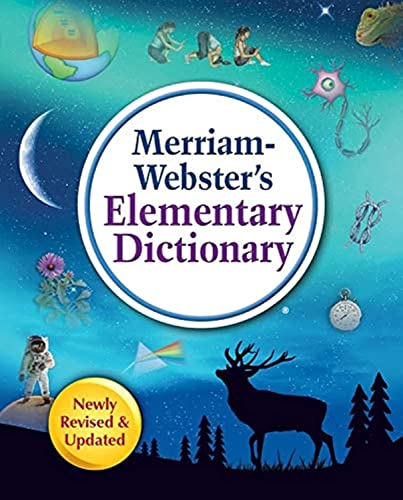
The Elementary Dictionary from Merriam-Webster is designed for younger readers who are building vocabulary and reading skills. It features approximately 36,000 updated entries and includes quotes from children’s literature to provide context and engagement. The text is accessible for early readers, with clear definitions that connect to reading and writing activities in school and home study.
Merriam-Webster’s Dictionary for Children

This dictionary offers child-friendly entries and a layout suited for classroom use. It emphasizes practical language suited to young readers, helping students navigate everyday words and phrases with simple definitions and accessible examples. It’s a solid choice for independent study and guided literacy activities.
Merriam-Webster Pocket Dictionary

Designed for portability, this pocket dictionary is ideal for use at home, in the classroom, or on the go. It offers a concise reference with essential word meanings, pronunciations, and usage notes. The compact format makes it easy for second graders to carry and consult during activities and homework.
Spectrum Spelling Workbook Grade 2
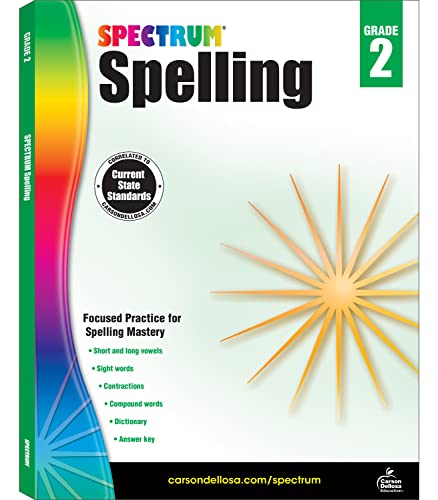
This workbook reinforces spelling patterns and phonics, integrating sight word practice, vowels, and compound words with English dictionary usage. Aligned with state standards, it helps students connect spelling with meaning and context, supporting classroom learning and independent practice. It is a practical tool for daily spelling routines.
School Zone Big Second Grade Workbook

This workbook provides a comprehensive suite of activities including word problems, reading comprehension, phonics, and math. It is designed for 2nd grade learners and aims to reinforce core literacy and numeracy skills through structured practice. It’s a solid supplementary resource for home study or classroom use.
Merriam-Webster Everyday Language Reference Set

This reference set includes a dictionary, thesaurus, and vocabulary builder. It provides quick, reliable word explanations and usage guidance, making it a versatile resource for budding readers and writers who want a broader toolset beyond a single dictionary. It combines clarity with depth for longer-term literacy growth.
Merriam-Webster’s Dictionary and Thesaurus (Mass-Market Paperback)

This mass-market edition offers a combined dictionary and thesaurus, expanding vocabulary through antonyms, synonyms, and usage notes. It serves as a practical reference for students who are ready to explore word relationships and varied expression in writing assignments.
Scholastic Pocket Dictionary of Synonyms, Antonyms, Homonyms

This pocket dictionary emphasizes word relationships, including synonyms, antonyms, and homonyms. It’s a compact reference that supports vocabulary expansion and careful word choice in writing assignments, making it a helpful companion for quick lookups and study sessions.
Buying Guide: Key Considerations for 2nd Grade Dictionaries
- Reading level and age-appropriateness: Look for definitions written in simple, concrete language with examples that align with daily use and school assignments.
- Size and portability: Smaller, durable formats are ideal for backpacks, desk drawers, and travel.
- Content scope: A core dictionary with thousands of entries plus kid-friendly usage notes is often preferred, with optional thesaurus or vocabulary builder features for expansion.
- Supplementary materials: Some sets offer additional practice workbooks, printable activities, or digital resources that reinforce spelling and word knowledge.
- Standards alignment: If using in a classroom, select products that align with state or common core expectations for spelling, vocabulary, and reading comprehension.
- Durability and layout: Clear type, larger print, and intuitive format help early readers navigate entries without frustration.
- Real-world usage: Some dictionaries include quotes from children’s literature or example sentences that help connect definitions to context and writing.
- Price and value: Consider whether a lightweight pocket option or a comprehensive reference set best fits your budget and child’s learning needs.
Choosing a dictionary involves balancing portability, depth, and user-friendliness. For second graders, starting with a child-focused dictionary, and optionally pairing it with a pocket dictionary or a companion thesaurus, can create a robust foundation for reading and writing progress. When possible, involve the child in selecting a cover color or format to encourage ongoing engagement with word learning.