Choosing the right ESL textbooks for elementary learners helpsbuild confidence, scaffold instruction, and accelerate language development. This guide highlights five reliable options that address phonics, word study, grammar practice, conversational skills, and social-emotional learning. Each pick offers practical activities suitable for classroom or homeschool settings, with features designed to engage young learners and support teachers in tracking progress.
Summary of selected products
| Product | Brand | Format | Key Focus |
|---|---|---|---|
| Scholastic Week By Week Phonics and Word Study for the Intermediate Grades, Grades 3-6 | Scholastic | Printed workbook | Phonics and word recognition |
| Extra Practice for Struggling Readers: Word Study | Scholastic | Printed workbook | Word study support |
| Phrase It ESL English Grammar Dice Game for Teachers and Students | PHRASE IT | Dice-based activity | Speaking, grammar practice |
| Mark Twain Life Skills Mental Health Workbook for Kids, Grades 5-8 | Mark Twain Media | Printed workbook | Social-emotional learning |
| Additional context and citizen-friendly materials | Various | Supplemental | Comprehensive language support |
Scholastic Week By Week Phonics And Word Study For Intermediate Grades

Scholastic’s Week By Week Phonics and Word Study is designed for elementary readers in grades 3-6. The program emphasizes systematic phonics instruction and word recognition through weekly activities that reinforce decoding, fluency, and comprehension. The format supports teachers with guided routines, making it easier to integrate into daily lessons or small-group rotations. Students engage with decodable texts and word-study tasks that align with common core standards, helping to close gaps in foundational reading skills. The included activities are structured to motivate learners who struggle with phonetics and letter-sound connections, aiding steady progress over the school year.
Designed as an individual or small-group resource, this workbook encourages active participation and consistent practice. It is particularly useful for teachers aiming to accelerate phonics mastery while balancing literacy with vocabulary development. The practical activities can be adapted to various classroom setups and are suitable for homeschool use as well. While the book focuses on intermediate levels, the frequent, bite-sized exercises keep students engaged without overwhelming them. Parents and teachers can use it to monitor growth across weeks and customize instruction based on assessment results.
Extra Practice For Struggling Readers: Word Study

This resource targets word study for students who need extra support with decoding, spelling patterns, and vocabulary-building activities. As a Scholastic title, it emphasizes practice that reinforces essential reading components without introducing overwhelming new concepts. The content is designed to be accessible in small groups or one-on-one sessions, providing structured drills that help learners reinforce phonics rules, morphological awareness, and word analysis strategies. The material can complement core reading programs by offering additional practice outside of whole-class instruction.
Because the book’s format centers on practice rather than new instruction, it works well as a targeted intervention or extension activity. Teachers can leverage the included exercises to supplement weekly lesson plans, create quick warm-ups, or assign short, independent tasks. The resource remains flexible for diverse classrooms, including those with varied literacy levels and bilingual learners. It is particularly suitable for students who need repeated exposure to word patterns to build automaticity and confidence in reading tasks.
Phrase It ESL English Grammar Dice Game for Teachers and Students
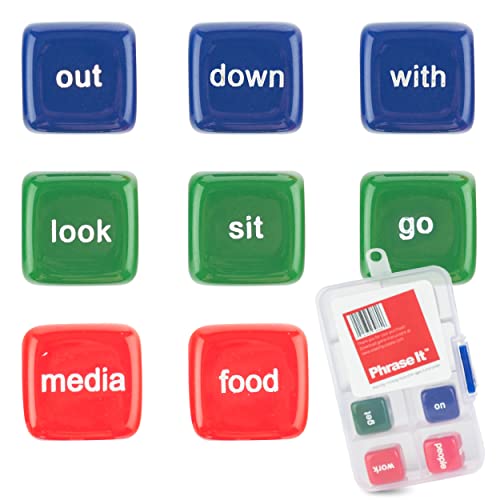
Phrase It offers a playful approach to ESL grammar and conversation practice. This dice-based activity engages learners by prompting them to roll and respond to prompts using common idioms, phrases, and everyday language. The game structure supports speaking and listening development as students articulate ideas, negotiate meaning, and practice sentence construction. It is adaptable for use with textbooks or vocabulary lists, and teachers can tailor activities to focus on verb tenses across past, present, and future forms. The interactive format helps reduce anxiety around speaking while encouraging collaborative communication.
Beyond grammar, Phrase It can support literacy development through guided speaking, reading aloud, and writing exercises linked to the prompts. In a classroom with mixed language proficiency, the dice game provides a low-stress entry point for oral practice and peer feedback. The resource aligns well with ESL curricula that emphasize real-life language use, making it a versatile addition to both early- and intermediate-level English programs.
Mark Twain Life Skills Mental Health Workbook For Kids

The Mark Twain Life Skills Mental Health Workbook focuses on social-emotional learning for students in grades 5-8. The updated content includes guidance on healthy lifestyle choices, work ethic, nutrition, exercise, and financial literacy. It integrates graphic organizers, self inventories, puzzles, real-life scenarios, and cloze activities to help students reflect on their decisions and practice positive behaviors. The workbook is suitable for classroom use or homeschooling, offering structured activities that promote self-awareness, empathy, resilience, and responsible decision-making.
Educators can use the material to introduce SEL concepts in a structured way while addressing current issues such as stress management and financial literacy. The blend of informational content and interactive activities supports diverse learners, including those who benefit from visual organizers and hands-on tasks. The resource aligns with social-emotional education standards and complements broader literacy instruction by tying language use to personal growth and everyday life skills.
Buying Guide: Key Purchase Considerations for ESL Textbooks
- Student level and progression: Match the book to the learner’s current reading level, ensuring a clear path from phonics to fluency and comprehension. Look for scope-and-sequence that aligns with your curriculum goals.
- Core focus vs. supplemental use: Decide whether you need a primary program (core instruction) or a supplemental resource to target specific skills such as word study, grammar, or speaking.
- Engagement and format: Consider interactive formats (dice games, activities, decodable passages) that sustain interest and encourage active participation for younger learners.
- Assessments and progress tracking: Prefer materials that include quick checks, rubrics, or reflection activities to monitor growth without extensive grading.
- Adaptability: Look for resources that can be used in various settings (small groups, whole class, homeschool) and can be customized to accommodate mixed-abilities classrooms.
- Cultural and linguistic relevance: Ensure examples and language reflect American English usage and classroom scenarios familiar to your students.
- Accessibility and durability: For classroom use, consider print quality, binding, and ease of use in centers or stations with limited teacher supervision.
- Cost-effectiveness: Evaluate the number of activities per book and the potential for reuse across multiple cohorts to maximize value.
Additional Considerations: Perspectives and Options
When selecting ESL texts for elementary students, it’s useful to weigh the benefits of phonics-focused resources against those emphasizing oral language and SEL. For example, a phonics-first approach helps struggling decoders develop automaticity, which supports reading fluency and comprehension. On the other hand, tools that promote conversation, such as dice-based grammar activities, can strengthen pragmatic language skills and classroom communication. Combining a solid phonics program with targeted word study and engaging speaking activities creates a balanced literacy routine that addresses diverse learner needs.
Another dimension is the integration with broader curricula. Materials that align with standards and integrate cross-curricular content (e.g., health or financial literacy) can reinforce language use while expanding student knowledge. Teachers may also benefit from resources that offer quick, ready-to-use activities for busy mornings, centers, or intervention blocks. Finally, choosing a mix of proven favorites and newer, interactive formats can help maintain student motivation over the school year.
In sum, the five highlighted products provide a spectrum of ESL supports for elementary learners—from foundational phonics and word study to conversational practice and social-emotional learning. The buying guide sections help educators and caregivers align these choices with classroom goals, resource availability, and student needs, ensuring a practical, outcomes-based approach to language development.